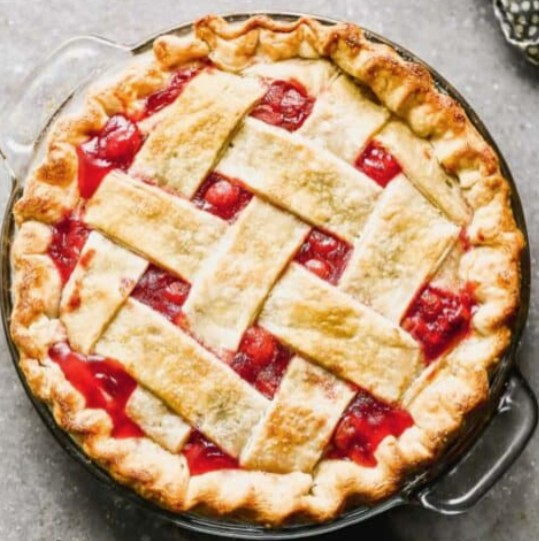
An award-winning keto cherry pie shouldn’t feel like a compromise. You want that classic pie shop bite, bright tart cherries, a golden top, and slices that lift cleanly without a puddle on the plate.
If you’ve tried keto pie before, you’ve probably hit the usual problems: a soggy bottom, watery filling that never sets, a gritty sweetener aftertaste, or a crust that cracks the second you crimp it. This post fixes those issues with tested methods and repeatable steps you can count on every time.
You’ll learn how to get a crisp, flaky crust that holds up, plus a thick cherry filling that stays glossy and bold, not runny. It also covers small details that make a big difference, like balancing tart fruit with lemon, adding a hint of almond (if you want it), and baking for a shiny, golden finish.
Follow along, let the pie cool fully, and you’ll get neat slices and big cherry flavor, without the carb load.
What Makes a Keto Cherry Pie Taste Like an Award Winner
An award-winning keto cherry pie comes down to three things: bold cherry flavor, clean sweetness, and a filling that sets so the crust stays crisp. Get those right, and no one will call it “good for keto.” They’ll just call it good.
The best part is that you don’t need a long ingredient list to pull it off. You need the right cherries, the right sweetener, and the right texture cues while you cook and cool.
Pick the right cherries for big flavor (fresh, frozen, or canned)
Cherry pie should taste bright and punchy, not flat. That classic “pop” usually comes from tart cherries (often called sour cherries). Sweet cherries can work, but they need more help to keep the flavor from tasting one-note.
Tart vs sweet cherries (what changes in the pie):
- Tart cherries: Strong cherry flavor, that bakery-style tang, and better balance with keto sweeteners.
- Sweet cherries: Softer flavor, can taste jammy, and often needs more acid (lemon) and a pinch of salt to taste “pie-like.”
Here’s how to choose based on what you have:
- Fresh cherries:
Fresh gives you the best texture, but you have to manage water. Pit them, then taste one. If they’re mild, plan on a little extra lemon zest or a touch more sweetener. Also, fresh cherries can throw off more juice as they sit, so don’t skip the “rest” time before thickening. - Frozen cherries:
Frozen is convenient and reliable for keto cherry pie. Thaw completely, then drain well. If you skip this, you’ll end up fighting extra liquid the whole bake, and that’s where runny filling starts. - Canned cherries:
Look for water-packed or no-sugar-added cherries. Drain them well and avoid anything in syrup (even “light” syrup). Syrup makes sweetness harder to control and can push carbs up fast.
A few quick, no-sugar flavor boosters that make the cherries taste louder:
- Lemon zest (not just juice): adds a fresh top note without adding sweet.
- Pinch of salt: makes the cherry taste deeper, not salty.
- Tiny almond extract: cherry’s best friend, but keep it small (too much tastes like perfume).
Balance sweetness on keto without an aftertaste
Fruit desserts are where keto sweeteners either shine or fall apart. The goal is simple: sweet enough to round out the tart, but not so sweet that it covers the fruit.
Here’s how the main sweeteners behave in cherry pie filling:
- Allulose: Tastes the most like real sugar in fruit pies. It also stays smooth after chilling, so your filling doesn’t get crunchy the next day.
- Erythritol: Can taste clean at first, but it tends to re-crystallize when chilled. That’s when you get that cooling, gritty bite in leftover pie.
- Monk fruit blends: These vary a lot by brand because most are mixed with erythritol or allulose. Check the label, and expect the sweetness level to change depending on the blend.
A practical “start here” sweetness range (then adjust):
- For tart cherries: start with 1/2 to 3/4 cup allulose (or equivalent sweetener blend) for a full pie filling.
- For sweet cherries: start with 1/3 to 1/2 cup.
The key is to taste the filling before you thicken it. Once a thickener goes in and heats up, it can mute sweetness and lock in any aftertaste. Taste the fruit and syrup first, then adjust in small steps. Tart cherries usually need a bit more sweetener, but they also reward you with that true cherry pie flavor.
If the sweetness is right but the filling tastes dull, don’t add more sweetener yet. Add lemon zest or a pinch of salt, then taste again.
Win the texture game: thick filling, crisp crust, clean slices
A great keto cherry pie filling should look glossy and thick, not watery. If it’s too loose going into the crust, it will seep into the bottom and bake into a soft, soggy layer.
When the filling is properly set (what to look for):
- You see slow, thick bubbles breaking the surface.
- The filling looks shiny, not cloudy or thin.
- When you drag a spoon through it, the gap closes slowly, not instantly.
Watery filling is the number one reason for a soggy bottom crust. Extra juice migrates down, then the crust steams instead of bakes. That’s also why cooling time matters so much. Cooling is part of the recipe, not a suggestion. A hot pie looks set in the pan, then turns into a puddle once you slice it.
For clean slices, follow this simple rule: let the pie cool until it’s no longer warm to the touch, then slice. If you chill it, you’ll get even neater cuts (and less mess on the first piece).
If you’re still worried about seepage, you have two reliable options:
- Pre-bake (par-bake) the bottom crust: This gives it a head start so it can handle the filling.
- Add a barrier layer: A thin brush of egg white on a warm crust, or a light sprinkle of almond flour, helps block juices from soaking in.
Nail these texture cues and your keto cherry pie won’t just taste great. It will slice like a bakery pie, with a crisp crust that stays crisp.
Keto Pie Crust That Stays Flaky (Not Crumbly or Soggy)
A great keto cherry pie needs a crust that can handle juicy fruit without falling apart. The goal is simple: tender layers, crisp edges, and a bottom that stays dry. That comes from the right fat, the right mix method, and enough chill time so the butter hits the oven cold.
This crust is built for a 9-inch pie plate and par-bakes well, which is the easiest way to avoid a soggy bottom when you add cherry filling.
Ingredients for a keto and sugar free pie crust (9-inch)
Use these exact amounts for a reliable, flaky keto pie crust:
- 2 1/2 cups fine blanched almond flour (about 240 g)
- 2 tablespoons coconut flour (14 g, optional but helpful for structure)
- 2 tablespoons powdered sweetener (optional, for a lightly sweet crust)
- 1/2 teaspoon fine salt
- 10 tablespoons cold unsalted butter, cubed (140 g)
- 1 large egg
- 1 teaspoon vanilla extract (optional)
- 1 teaspoon apple cider vinegar or lemon juice (optional, helps tenderness)
Substitution notes (keep expectations realistic):
- If you need dairy free, use cold vegan butter sticks (not tub spread). The dough may feel softer, so chill longer.
- A flax egg can work in a pinch, but it often makes the crust more fragile and less flaky, and it can brown faster.
Directions for a crisp keto crust (mix, chill, shape, bake)
Take your time with the cold steps. Think of it like biscuits: cold butter equals flakes.
- In a medium bowl, whisk the almond flour, coconut flour (if using), powdered sweetener (if using), and salt until evenly mixed.
- Add the cold butter cubes. Cut them in using a pastry cutter, two forks, or your fingertips until the mix looks like coarse sand with some pea-size butter bits still visible.
- Add the egg, plus vanilla and vinegar or lemon juice (if using). Stir with a fork, then use your hands to bring the dough together. It should hold when squeezed and feel slightly tacky, not wet.
- Form the dough into a thick disc, wrap, and chill for 20 to 30 minutes. This firms the butter and prevents shrink in the oven.
- Press the chilled dough into a 9-inch pie plate. Start with the bottom, then push dough up the sides. Aim for an even thickness (about 1/8 to 3/16 inch). A flat-bottom measuring cup helps smooth it without sticking.
- Flute or crimp the edges. If the dough cracks while you shape it, pinch it back together. Keto dough is more like soft clay than stretchy wheat dough.
- Dock the bottom with a fork (about 15 to 20 pokes). Chill the shaped crust again for 15 minutes while the oven heats.
- Preheat the oven to 350°F (177°C).
- Par-bake for crispness: line the crust with parchment paper, fill with pie weights (or dry beans), and bake for 12 to 14 minutes.
- Remove the parchment and weights, then bake 5 to 8 minutes more, until the bottom looks dry and the edges are just starting to turn light golden. Cool before filling (or follow your pie recipe timing).
Quick fixes and anti-shrink tips:
- If the sides slump: the dough was too warm. Next time, add 10 more minutes of chill before baking.
- If you get cracks after par-bake: press a small piece of extra dough into the crack while the crust is still warm. If you don’t have extra dough, a tiny smear of softened butter can help seal hairline splits.
- If the edge browns too fast: it’s normal with almond flour. Shield it with foil (more on that below).
Optional upgrades that make it “award-winning”
These small moves keep the crust crisp and make the final pie look more polished:
- Egg white barrier: Brush the warm par-baked crust with a thin coat of egg white. Pop it back in the oven for 2 minutes to set, then cool and fill. This helps block cherry juices.
- Nutty bottom layer: Sprinkle 1 to 2 tablespoons almond flour or finely chopped toasted almonds over the cooled crust before filling. It soaks up the first bit of juice without changing the flavor much.
- Rimmed baking sheet: Bake the pie on a rimmed sheet to catch drips and keep the oven clean. It also makes it easier to rotate the pie for even browning.
- Foil edge shield: If the crust edge hits golden early, cover the rim with foil and keep baking until the filling is ready. This saves the edge while the center finishes.
Keto Cherry Pie Filling That Sets Perfectly (No Runny Slices)
Runny cherry pie filling usually comes from one of two things: too much liquid in the fruit, or not cooking the thickener long enough to activate. The fix is simple and repeatable. You control the juice, cook the cherries just enough to release flavor, then thicken until you see slow bubbles and a glossy shine. After that, cooling does the rest, and your slices hold their shape like a bakery pie.
Ingredients for keto and sugar free cherry pie filling
Use this list for one 9-inch pie (about 5 cups filling). If you’re using frozen cherries, thaw them first and reserve a few tablespoons of the cherry juice so you can fine-tune the thickness later.
- 5 cups pitted tart cherries (fresh or frozen, thawed and drained if frozen)
- 3/4 cup allulose (granulated)
- 1 tablespoon lemon juice
- 1 teaspoon lemon zest (optional)
- 1/4 teaspoon almond extract (optional)
- 1/4 teaspoon fine salt
- Primary thickener: 2 tablespoons tapioca starch (also labeled tapioca flour)
- Alternative thickener 1: 1 1/2 teaspoons xanthan gum
- Alternative thickener 2: 3 tablespoons chia seeds (whole or ground)
- 1 tablespoon cold unsalted butter, cut into small pieces (to dot on top before baking)
Directions for thick, glossy keto cherry filling (stovetop method)
This stovetop method is the most reliable way to get a set filling on keto. You’ll see the texture change in the pot, and that’s what stops runny slices later.
- Prep the cherries.
If using frozen cherries, thaw completely. Drain in a colander for 5 to 10 minutes. (Optional but helpful: reserve 2 to 4 tablespoons of the cherry juice in case you need to loosen the filling later.) - Start the filling base.
Add cherries, allulose, lemon juice, lemon zest (if using), and salt to a saucepan over medium heat. Stir well, then let it cook 3 to 5 minutes until the cherries release juice. - Simmer briefly to concentrate flavor.
Lower heat to medium-low and simmer 5 to 8 minutes, stirring often. You want a juicy mixture, but not a watery soup. - Add your thickener the right way.
Keep the filling at a gentle simmer and sprinkle in the thickener slowly while stirring constantly.- If using tapioca starch, sprinkle it in over 30 to 60 seconds, then keep stirring.
- If using xanthan gum, add it in tiny pinches while whisking so it doesn’t clump.
- Cook until glossy with slow bubbles.
Keep cooking 1 to 3 minutes, stirring, until the filling turns shiny and thick. Look for slow, thick bubbles that pop like lava, not fast watery boiling. - Finish off heat.
Remove from heat. Stir in almond extract last (if using). This keeps the flavor bright instead of cooked out. - Cool before filling the crust.
Let the filling sit 10 to 15 minutes. It should be thick but still spreadable. Spoon into your prepared crust, then dot the top with the pieces of cold butter (right before you add your top crust or lattice).
How to fix it if the filling is too thin:
- Simmer 2 to 5 minutes longer (often all it needs).
- If it’s still loose, add a tiny bit more thickener.
- Tapioca starch: 1 teaspoon mixed into 1 tablespoon cool water, then stir in and simmer 1 minute.
- Xanthan gum: a small pinch, whisked in, then rest 2 minutes to judge thickness.
How to fix it if the filling is too thick:
- Stir in 1 tablespoon water or lemon juice.
- If you reserved cherry juice, add 1 tablespoon at a time until it loosens.
Quick no-cook filling option (best when using very juicy cherries)
When time is tight, you can skip the stovetop and let the oven do most of the thickening. This works best when your cherries are naturally very juicy, but it’s more likely to bake up runny than the stovetop method.
- Thaw and drain cherries well (if frozen). Pat lightly with paper towels.
- Toss cherries with 3/4 cup allulose, 1 tablespoon lemon juice, 1/4 teaspoon salt, and your thickener (use 3 tablespoons chia seeds for best no-cook results).
- Rest 10 minutes, then fill the crust, dot with 1 tablespoon butter, and top with lattice or a vented crust.
- Bake a bit longer so the filling bubbles at the vents and has time to set.
To improve the set with the no-cook method:
- Drain harder than you think you need to.
- Use chia (it thickens as it sits, even after baking).
- Use a lattice or good venting so steam can escape instead of pooling in the filling.
Assemble and Bake: The Exact Steps for a Golden Top and Crisp Bottom
At this point, you’ve done the hard part: a thick, glossy keto cherry filling and a crust that can take the heat. Now it’s about clean assembly and smart baking so the top turns deep golden and the bottom stays crisp, not steamed.
How to assemble the pie (no leaks, neat edges)
Start with a cool (not warm) crust and slightly cooled filling. If either is hot, butter melts early and the dough slumps.
Here’s the clean, no-drip order that works:
- Fill the bottom crust. Spoon the cherry filling into the shell and spread it evenly. Avoid piling it high in the center.
- Dot with butter. Scatter small pieces of cold butter over the filling. This adds shine and richness, and it helps the filling look bakery-glossy.
- Add the top crust or lattice.
- For a full top crust, lay it over and press gently to settle it.
- For a lattice, build it right on top, then press the ends into the rim so they anchor.
- Trim, seal, and crimp. Trim excess dough, leaving a small overhang. Press the top and bottom crust together to seal, then crimp or flute the edge for a neat finish.
- Cut vents (if using a full top). Cut 4 to 6 slits in the center area. Vents let steam escape so the filling thickens instead of turning watery.
Before baking, chill the assembled pie for 15 minutes. Think of it like setting concrete. Cold fat hits the oven and holds its shape.
Set the pie on a parchment-lined baking sheet to catch any bubbling drips. It also makes rotating the pie simple.
Egg wash and keto “sparkle” topping options
For a shiny, golden top, whisk:
- 1 egg
- 1 tablespoon water or heavy cream
Brush a thin, even coat over the top crust and edges. Use a light hand. If egg wash pools near the crimp, blot with the brush so it doesn’t glue the edge to the pan.
Quick keto topping ideas (pick one):
- A tiny pinch of allulose for subtle sparkle
- Chopped toasted almonds for crunch
- A light dusting of cinnamon for warmth
Bake times, temperatures, and doneness cues you can trust
Use a two-stage bake. The hot start sets the crust, then the lower temp finishes the filling without burning the edges.
- Stage 1: 400°F (204°C) for 20 minutes
- Stage 2: Reduce to 350°F (177°C) for 35 to 55 minutes
Doneness cues that matter:
- The crust is deep golden, not pale tan.
- The filling is bubbling in the center, not just around the edges. Look through the lattice or vents for steady bubbles.
If the crust browns early, add a foil shield over the rim (or tent the top loosely) and keep baking.
You may need extra time if you’re baking at high altitude or your cherries were very watery (extra juice means the pie needs longer to reach that center-bubble stage).
Cooling, Slicing, and Serving So Every Slice Stands Tall
You can bake the best keto cherry pie on earth and still lose the “wow” factor with one rushed move: cutting too soon. Cooling is when the filling finishes setting and the crust firms up, so each slice lifts cleanly and holds its shape on the plate.
Cooling timeline (this is where pies are won or lost)
A cherry pie doesn’t truly “set” when it leaves the oven. The filling is still loose and active, and the thickener is still doing its job as the pie cools.
Here’s a realistic schedule that works in real kitchens:
- 0 to 30 minutes: Cool on a wire rack, untouched. The filling is very hot and fluid.
- 30 to 60 minutes: Still on the rack. The center is thickening, but it will flood if sliced.
- 2 to 4 hours (minimum): Keep cooling on the rack until the pie is fully room temp. This is when the filling turns from “saucy” to sliceable.
- Chill 1 hour (best for clean cuts): Move the room-temp pie to the fridge for 1 hour. This gives you the neatest, tallest slices.
Why this matters: carryover thickening continues long after baking. As the pie cools, the thickener tightens and the fruit gels. Cut into it while it’s hot and you break that structure, so the juices rush out and pool on the plate (the classic first-slice flood).
A quick trick if you’re short on time: let the pie cool at room temp for about 1 hour, then move it to the fridge. Don’t refrigerate it straight from the oven; trapping steam can soften the crust and make the bottom less crisp.
How to slice cleanly and plate like a bakery
Clean slices come from a set filling and a calm hand. You don’t need special tools, just a few small habits.
Use this simple routine:
- Use a sharp, thin-bladed knife. A dull knife drags and tears the top crust.
- Cut straight down, not sawing back and forth. Let the knife do the work.
- Wipe the blade between cuts (a warm, damp paper towel works well). This keeps the cherry filling from smearing into the crust.
- Slide a thin spatula under the slice and lift in one smooth motion. A thin metal spatula usually works best for keto crusts.
For bakery-style plating, keep it simple: place the slice with the point facing forward, then wipe any plate smudges before serving. If the slice leans, nudge it gently with the spatula instead of pressing on the crust.
Serving temperature changes the experience:
- Slightly warm (not hot): softer filling, louder aroma, more buttery crust flavor. Warm a slice briefly, then rest it for a minute so it doesn’t slump.
- Chilled: firmest filling and cleanest edges, brighter cherry tang, and the easiest way to get picture-perfect slices.
Keto toppings that do not spike carbs
A great topping should add creaminess or crunch without turning your keto cherry pie into a carb bomb. Keep it light so the cherry flavor stays in front.
A few low-carb favorites:
- Unsweetened whipped cream sweetened with a little allulose
- Keto vanilla ice cream (check labels for added sugars)
- Mascarpone (softened, with a pinch of sweetener if you want)
- Plain Greek yogurt (if it fits your macros, it adds a nice tang)
- Toasted sliced almonds for crunch and a nutty finish
- Extra lemon zest to sharpen the cherry flavor without added sweetness
Troubleshooting: Fix Common Keto Cherry Pie Problems Fast
Even a well-tested keto cherry pie can act up when the cherries are extra juicy, your oven runs hot, or the sweetener behaves differently after chilling. The good news is most issues have a simple cause, and you can usually fix the current pie and prevent it next time. Use the quick checks below to get back to clean slices, smooth filling, and a crisp, flaky crust.
Runny filling, soupy slices, or liquid pooling
If your pie looks perfect in the oven but turns into a puddle once sliced, it almost always comes down to liquid management and timing. Cherry pie filling needs enough heat to thicken, then enough time to fully set.
Common causes
- Not cooked long enough: The filling has to bubble steadily so the thickener can do its job.
- Cherries too wet: Frozen cherries often hold a lot of water, even after thawing.
- Not enough thickener: A small measuring difference matters with juicy fruit.
- Sliced while hot: Hot filling is still loose, even if it looks thick.
- Sweetener choice issues: Some sweeteners thin the filling or don’t “set” as nicely as others.
Fast fixes for the pie you already baked
- Cool longer than you think: Let it reach room temp (2 to 4 hours), then chill 30 to 60 minutes for cleaner cuts. This is the easiest fix.
- Drain the pooling liquid when serving: If there’s liquid on the plate, tilt the slice slightly and blot with a paper towel. It won’t fix the pie, but it makes serving less messy.
Next-time fixes that work
- Simmer longer on the stove: Cook the filling until you see slow, thick bubbles and a glossy look. Thin, fast bubbles usually mean it’s still watery.
- Drain and reduce juices: After thawing cherries, drain well. If you have lots of juice, simmer it down for a few minutes before thickening, then add cherries back.
- Switch to glucomannan for reliable set: It thickens quickly with less risk of “stringy” texture than overused xanthan. Start small (a little goes a long way).
- Add a small slurry (only when needed): If the filling still looks loose near the end of cooking, stir in a tiny slurry of your chosen thickener mixed with cool water, then simmer briefly to activate.
- Match sweetener to fruit desserts: Allulose tends to keep fillings smooth and cohesive. Some erythritol-heavy blends can make texture and set less predictable.
A simple cue: if the filling looks like cherry soup in the pot, it will be soup in the pie.
Gritty or crunchy filling after chilling
That crunchy texture the next day usually isn’t “bad cherries.” It’s the sweetener. Erythritol can re-crystallize as the pie cools, which creates a gritty bite, especially in fruit fillings.
Why it happens
- Erythritol dissolves when heated, then forms crystals as it chills.
- The colder the pie gets, the more noticeable the crunch can be.
How to avoid it
- Use allulose if you can. It stays smoother after chilling and tastes more like sugar in fruit pies.
- Choose powdered sweeteners or powdered blends. Smaller particles dissolve faster and are less likely to feel gritty later.
- Combine sweeteners: A mix (for example, part allulose with part monk fruit blend) often reduces recrystallizing and keeps sweetness clean.
Storage tips that help
- Cover the pie well to prevent drying, since a dry surface makes crystal texture stand out more.
- Store on a middle fridge shelf where temps are steadier. The back of the fridge can run colder and make crystallizing worse.
Quick fix for a chilled, gritty slice
- Gently warm a slice to smooth it out. A short warm-up in the oven works best because it helps the crust stay crisp. Let it rest for a minute before eating so the filling can settle again.
Crust problems: cracks, crumbles, or soggy bottom
Keto crust behaves more like soft clay than stretchy wheat dough. Small changes in moisture, chill time, and bake setup make a big difference.
If the crust cracks
- Most common causes: dough is too dry, too warm, or not chilled enough before shaping.
- Fix now: patch cracks by pressing a small piece of dough over the spot and smoothing the seam with your fingertips. If it’s already par-baked, patch while the crust is still a bit warm so it bonds.
If the crust crumbles
- Most common causes: too much flour (almond flour packs down easily) or not enough binder.
- Fix now: if it’s crumbling while you shape it, add 1 teaspoon water and press again. Give it a minute to hydrate.
- Fix next time: add a touch more binder, like an extra egg yolk, or measure almond flour by weight if possible for consistency.
If you get a soggy bottom Juicy filling plus a pale bottom crust equals a soft layer that never firms up.
Reliable fixes:
- Par-bake the bottom crust: Give it a head start so it stays crisp under fruit.
- Egg white barrier: Brush egg white on the warm par-baked crust, then bake a couple minutes to set it. This blocks juice like a raincoat.
- Add a thin almond flour layer: A light sprinkle on the bottom absorbs the first bit of cherry juice.
- Bake on the lower rack: More bottom heat helps the base crisp instead of steam.
If your oven has hot spots, using a preheated baking sheet under the pie can also help brown the bottom faster.
Burnt edges or pale top
This is usually a heat and timing issue, not a recipe issue. Almond flour crust browns fast at the rim, while the center needs time to finish.
Fix burnt edges
- Use an edge shield (foil ring) once the rim turns light golden, not after it’s already dark.
- Rotate the pan halfway through baking so one side doesn’t take all the heat.
Fix a pale top
- Move the pie to the upper-middle rack for the last part of baking if the top isn’t browning (keep an eye on the edges).
- Check your egg wash coverage. A thin, even coat browns better than a streaky brush job. Make sure you hit the lattice and the high points of the crust.
- Don’t let egg wash pool near the crimp, since it can bake up pale and gummy.
One tool that saves guesswork
- An oven thermometer tells you if your oven runs hot or cold. Many do. If your “350°F” is really 325°F, you’ll chase pale crust forever. If it’s 375°F, edges burn before the center bubbles.
Enjoy!
An award-winning keto cherry pie comes down to a repeatable formula you can trust. Start with tart cherries for that bright, bakery-style punch. Sweeten with a clean-tasting option (allulose is a favorite), then thicken with the right keto thickener so the filling turns glossy and sliceable. Protect the crust with a par-bake and an egg white barrier, then bake in two stages so the top browns while the center bubbles. Finish strong by cooling fully, because patience is what turns “pretty” into clean, tall slices.
Save this keto cherry pie recipe and make it once as written, then add one small upgrade next time. Try a lattice for extra shine and steam release, add lemon zest for a fresher cherry pop, or use a tiny splash of almond extract to boost the fruit.
Thanks for baking along, if you make it, leave a comment with the sweetener you used and whether you chose fresh, frozen, or canned tart cherries.
How to Bake an Award-Winning Lemon Meringue Pie Every Time
How to Make Pie Crust: The Complete Guide
How to Bake an Award-Winning Pecan Pie Every Time
How to Bake an Award-Winning Blueberry Pie Every Time
How to Bake a Perfect Classic Apple Pie Every Time
How to Bake a Perfect Classic Pumpkin Pie Every Time
How to Make Classic Boston Cream Pie at Home
How to Make a Fresh Strawberry Cake at Home