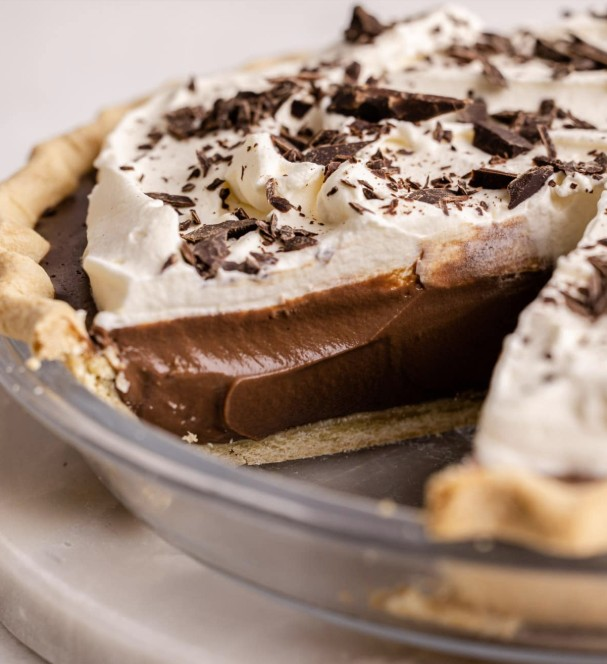
That first bite of chocolate cream pie should feel rich and smooth, with a crust that snaps and a topping that stays fluffy. This keto chocolate cream pie gives you that classic diner-style comfort, without sugar, without weird aftertaste, and without a watery filling.
When I say “award-winning,” I mean the things people notice right away, deep cocoa flavor, a silky custard texture, clean slices, and zero grainy sweetener. It’s also family-friendly (even for picky eaters), and it fits a frugal kitchen because you don’t need fancy tools or hard-to-find ingredients.
This post walks you through the three parts that make or break the pie: a crisp crust, a thick chocolate filling, and a stable whipped topping that holds up in the fridge. If you’re a beginner, don’t worry, the steps are simple and the cues are clear.
The success rules are the same every time, keep the heat low, whisk constantly, and don’t rush the chill time. Follow those, and you’ll pull out a pie that looks bakery-pretty and tastes even better.
What Makes a Keto Chocolate Cream Pie Truly “Award-Winning”?
An “award-winning” keto chocolate cream pie isn’t about fancy tricks. It’s about getting three things right at the same time: bold chocolate flavor, a truly silky filling (no grit), and a slice that holds its shape with a crust that stays crisp. When those details line up, the pie tastes like the real thing, not a compromise.
Flavor rules: how to get deep chocolate taste without sugar
Chocolate flavor can fall flat fast when you remove sugar. The fix is to build flavor on purpose, starting with the cocoa.
Pick the right cocoa for the job
- Dutch-process cocoa: Darker color, smoother flavor, less sharp bite. It reads “bakery-style” and makes the filling taste more rounded.
- Natural cocoa: More acidic, brighter, and sometimes a little harsher. It can taste intense, but it can also feel thin if the sweetener is mild.
If you want that classic chocolate pudding vibe, Dutch-process is usually the easier win. If you like a punchier chocolate note, natural cocoa can work, just balance it with enough fat (cream, egg yolks, butter).
A pinch of espresso powder makes chocolate taste more like chocolate
You’re not trying to make it taste like coffee. A small amount of espresso powder deepens cocoa the way salt sharpens a good soup. It fills in the gaps that sugar normally covers. Start small; you can always add a touch more next time.
Salt is non-negotiable
Keto desserts can taste “sweet but muted” without salt. A small amount of fine salt:
- boosts chocolate flavor
- reduces bitter edges
- makes sweeteners taste cleaner
Think of salt as the volume knob for cocoa.
Choose sugar-free chocolate with your eyes open
Not all “sugar-free” chocolate tastes the same, and the sweetener used matters as much as the cacao.
- Look for no added sugar on the front, then confirm it on the ingredients list.
- Check the sweetener type. Many people prefer chocolate sweetened with erythritol blends, allulose, or monk fruit for a cleaner taste.
- Watch for sugar alcohols that can taste very cool or minty to some people, especially in large amounts.
If the bar tastes good on its own, it will taste good in your filling. If it has an odd aftertaste as a snack, it won’t magically disappear in a pie.
Texture rules: avoid grainy sweetener and lumpy custard
A keto chocolate cream pie can look perfect and still lose the crowd if the bite feels sandy or the custard has little cooked bits. Smooth texture comes from two habits: choosing a sweetener that behaves well, and controlling heat.
Why some sweeteners turn grainy
Some granulated sweeteners (especially erythritol-heavy ones) can recrystallize as the filling cools. That’s when you get that gritty feel on the tongue. Powdered versions dissolve faster, and sweeteners like allulose are less likely to recrystallize, which helps the custard stay silky for days.
How to dissolve sweetener fully
- Use a powdered sweetener when you can, or pulse granulated in a blender to make it finer.
- Whisk the sweetener into your liquid while it’s still cool, so it has time to dissolve before thickening starts.
- Don’t rush the cook. Fast heat can thicken the custard before the sweetener is fully dissolved.
Low to medium heat keeps the custard smooth
Custard is patient cooking. If the heat is too high, the eggs tighten up and you get lumps. Keep it at low to medium heat so the thickening happens slowly and evenly.
A few practical habits make a big difference:
- Whisk constantly, even when it feels like nothing is happening.
- Scrape the corners of the pan as you whisk. Those edges heat first, and that’s where lumps begin.
- If you see even a few bits, strain the custard before it goes into the crust. It’s a simple save, and nobody has to know.
The goal is a filling that looks glossy and smooth, like warm pudding, not like scrambled eggs hiding in chocolate.
Structure rules: set filling, crisp crust, stable whipped cream
Flavor gets people to take a bite. Structure is what makes them say, “This tastes like it came from a bakery.” You want clean slices, a crust that doesn’t soften, and whipped cream that stays fluffy in the fridge.
Cool the crust completely before filling
A warm crust plus warm filling equals steam, and steam equals soggy. Let the crust cool all the way to room temp. If you’re short on time, set it on a rack so air can move under it (that helps keep the bottom crisp).
Thicken the filling on the stove before chilling
The fridge can’t fix a filling that never thickened. Cook the custard until it’s clearly thick before you pour it in. A good visual cue is when it coats the back of a spoon and holds a clean line when you swipe a finger through it.
Also, press plastic wrap directly on the surface while it chills. This prevents a rubbery skin and keeps the top smooth for the whipped cream.
Whipped cream needs cold tools and the right stop point
For a topping that looks plush and stays put:
- Chill the bowl and beaters if your kitchen runs warm.
- Start slow, then increase speed once the cream thickens.
- Stop at soft to medium peaks. The cream should hold shape but still look smooth and creamy.
Overwhipped cream turns grainy fast, and it can start to separate.
How to prevent “weeping” whipped cream
Weeping happens when the topping releases liquid and turns the pie top watery. To lower the risk:
- Use cold, high-fat heavy cream (not half-and-half).
- Don’t overwhip.
- Add sweetener slowly and keep it modest, too much can pull moisture out.
- Spread or pipe the topping onto a fully chilled filling, warm filling can cause separation.
When these structure rules are in place, you get that picture-perfect slice: crisp crust, set chocolate layer, and a topping that stays light until the last piece is gone.
Ingredients and Tools You Need for Consistent Results
A silky, no-grit keto chocolate cream pie comes down to two things: ingredients that behave well when chilled and tools that keep your custard under control. If you’ve ever had a filling that tasted great but felt sandy, or a topping that broke and turned wet, this is the fix. Set yourself up with smart swaps and a few simple kitchen basics, and the pie turns out the same way every time.
Keto and sugar-free ingredient swaps that actually work
Not all keto sweeteners play nice in custard. Some dissolve smoothly, others can leave a cool aftertaste or a gritty texture after chilling. Here’s how the common options stack up for a chocolate cream pie filling.
| Sweetener type | How it behaves in custard | Taste and texture notes | Best use in this pie |
|---|---|---|---|
| Allulose | Dissolves very well, stays smooth after chilling | Clean sweetness, low grit risk | Best choice for a silky filling |
| Erythritol blends | Can dissolve, but may re-crystallize as it cools | Can feel “cooling”, higher grit risk | Works better in crust, or if powdered and used lightly |
| Monk fruit blends (often mixed with erythritol) | Depends on the blend, can still re-crystallize | Sweet, sometimes sharp, can have cooling effect | Fine for whipped cream or crust, be cautious in custard |
| Powdered sweeteners (any type, powdered) | Dissolve faster and more evenly | Less grit than granulated | Great for custard and whipped cream |
If your top priority is that classic pudding-smooth bite, use allulose for the filling when you can. It tends to stay dissolved, which helps the custard stay glossy and sliceable the next day (not grainy).
A few practical swap tips that keep the texture clean:
- Powder matters: If you only have granulated sweetener, pulse it in a blender until it’s fine. Smaller crystals melt in faster.
- Go slow with sweetness: Chocolate gets sweeter as it cools, and keto sweeteners can build on your tongue. Start a little under your target, then adjust.
- Taste safely, off heat: Hot custard can give you a false read, and tasting while it’s boiling-hot is a bad time. Take the pan off the burner, let it cool for a minute, then taste a small spoonful. If it needs more, whisk in a teaspoon at a time until it hits the mark.
- Watch the chocolate’s sweetener: Some sugar-free chocolate is already sweetened. That changes how much extra sweetener you need in the custard.
Best chocolate choices for keto baking
Chocolate is the headline flavor here, so it pays to choose it like you mean it. “Sugar-free” on the front isn’t enough, the back label tells the real story.
Here’s what to look for when buying keto-friendly chocolate:
- High cocoa percentage: Aim for 70% or higher for bars if you like a deeper, less sweet pie. For a more classic “chocolate pudding” taste, a blend of dark and unsweetened works well.
- Low net carbs per serving: Compare brands in the same serving size. Some bars look keto until you check the numbers.
- Avoid maltitol when possible: Maltitol can spike blood sugar for many people, and it can cause stomach trouble. It also tends to taste overly sweet in a custard.
- Short ingredient list: Cocoa mass, cocoa butter, a sweetener you tolerate, maybe vanilla and salt. That’s a good sign.
For the richest, most “real” chocolate filling, don’t rely on just one form of chocolate. Mix cocoa powder with sugar-free chocolate. It’s like using both a microphone and an amp, you get more chocolate flavor without forcing the custard to be overly sweet.
- Cocoa powder brings bold cocoa taste and deep color.
- Sugar-free chocolate adds cocoa butter and body, which makes the filling taste rounder and feel smoother.
If you’ve ever made a keto pudding that tasted thin or flat, this combo usually fixes it.
Tools that make this pie foolproof
Custard is simple, but it rewards control. The right tools help you manage heat, strain out any lumps, and whip a topping that stays light and fluffy.
You don’t need anything fancy. These are the basics that earn their keep:
- 9-inch pie pan: Standard size gives you the right filling depth and clean slices.
- Medium saucepan: Heavy-bottomed if you have it, it helps prevent scorching.
- Whisk: Your best defense against lumps, especially around the pan edges.
- Fine mesh strainer: The safety net. If a few egg bits sneak in, strain and move on.
- Mixing bowls: At least two, one for yolks, one for whipped cream.
- Electric mixer or hand mixer: Whipped cream is faster, fluffier, and more stable with a mixer.
- Thermometer (optional): Helpful if you want extra confidence. Custard thickens before it boils, and a thermometer can keep you from overheating.
One frugal trick that helps whipped cream behave: chill a metal bowl in the freezer for 10 minutes (and chill the beaters, too). Cold tools keep the cream from warming up while you whip, which means better volume and less chance of grainy, overworked cream. This is especially useful in a warm kitchen or during summer.
Recipe: Keto and Sugar-Free Chocolate Cream Pie (Award-Winning Method)
This is the production-ready recipe section you can come back to again and again. It’s built for the three things people notice most in a keto chocolate cream pie: a crust that stays crisp, a filling that sets silky with no grit, and whipped cream that holds its shape for clean, bakery-style slices.
Ingredient list
Pick your crust style first, then move on to the filling and topping. If you’re sensitive to cooling aftertaste or grit, allulose (or a powdered sweetener) is the safest bet for the custard.
Keto crust (two variants, choose one)
Option A: Almond flour crust ingredients
- 144 g (1 1/2 cups) blanched almond flour
- 28 g (1/4 cup) powdered sweetener (allulose or powdered monk fruit blend)
- 1/4 teaspoon fine salt
- 1/2 teaspoon cinnamon (optional)
- 57 g (4 tablespoons) unsalted butter, melted
- 1 large egg white (for brushing after baking, optional moisture barrier)
Option B: Keto chocolate cookie crust ingredients
- 180 g (2 cups) sugar-free chocolate cookie crumbs (store-bought or homemade)
- 28 g (1/4 cup) powdered sweetener (allulose or powdered monk fruit blend, optional if crumbs are sweetened)
- 1/4 teaspoon fine salt
- 57 g (4 tablespoons) unsalted butter, melted
- 1 large egg white (for brushing after baking, optional moisture barrier)
Keto chocolate cream filling ingredients
- 30 g (1/3 cup) Dutch-process cocoa powder
- 100 g (1/2 cup) allulose (or 1/2 cup powdered monk fruit blend, see note above about grit)
- 20 g (2 tablespoons) cornstarch substitute: 12 g (1 tablespoon) unflavored gelatin (egg-free option uses gelatin, see directions) or 10 g (1 tablespoon) xanthan gum (use only 1/4 teaspoon, see note below)
- 1/4 teaspoon fine salt
- 1/2 teaspoon espresso powder (optional, boosts chocolate)
- 480 ml (2 cups) whole milk (or unsweetened almond milk for lower carbs, texture is slightly lighter)
- 120 ml (1/2 cup) heavy cream
- 112 g (4 ounces) sugar-free dark chocolate, chopped
- 28 g (1 ounce) unsweetened chocolate, chopped (optional, adds depth)
- 4 large egg yolks
- 28 g (2 tablespoons) unsalted butter
- 2 teaspoons vanilla extract
Sugar-free whipped cream topping and garnish ingredients
- 300 ml (1 1/4 cups) heavy cream, very cold
- 24 g (3 tablespoons) powdered sweetener (powdered allulose or powdered monk fruit blend)
- 1 teaspoon vanilla extract
- 1 to 2 teaspoons unflavored gelatin (optional stabilizer)
- 1 to 2 tablespoons cold water (to bloom gelatin, optional)
- 30 g (2 tablespoons) cream cheese, softened (optional stabilizer instead of gelatin)
- 1 tablespoon cocoa powder (optional garnish)
- 15 to 30 g (1/4 to 1/2 cup) shaved sugar-free chocolate (optional garnish)
Directions: crisp keto crust that does not get soggy
A crisp crust is mostly about two habits: dock it (so it doesn’t puff), and cool it fully before the filling goes in. If you want extra insurance, brush the baked crust with egg white while it’s still warm.
Option A: Almond flour crust (bakes up like a shortbread-style shell)
- Heat oven to 350°F (177°C). Place a rack in the middle.
- In a bowl, mix almond flour, powdered sweetener, salt, and cinnamon (if using).
- Stir in melted butter until the texture looks like damp sand.
- Press into a 9-inch pie plate, pushing firmly up the sides first, then across the bottom. Press hard here, loose crumbs turn sandy later.
- Dock the bottom 15 to 20 times with a fork.
- Bake 10 to 12 minutes, until the edges deepen in color and the center looks set.
- For a firmer bottom, add pie weights on parchment and bake 2 more minutes (optional).
- Optional moisture barrier: whisk the egg white until foamy, then brush a thin layer over the hot crust. Return to the oven 2 minutes.
- Cool on a rack 45 to 60 minutes, until completely room temp before filling.
Option B: Keto chocolate cookie crust (dark, bold, and extra “diner pie” vibes)
- Heat oven to 350°F (177°C).
- In a bowl, mix cookie crumbs, powdered sweetener (only if needed), and salt.
- Stir in melted butter until evenly moistened.
- Press firmly into a 9-inch pie plate, packing the corners and the sides well.
- Dock the bottom 10 to 15 times with a fork (yes, even crumb crusts benefit).
- Bake 8 to 10 minutes, until glossy and fragrant.
- Optional moisture barrier: brush a thin layer of egg white over the warm crust, then bake 2 minutes more.
- Cool on a rack 45 to 60 minutes, until fully cool before filling.
Directions: silky keto chocolate cream filling (no lumps, no grit)
This filling is a custard, not a pudding shortcut. Keep the heat moderate, whisk constantly, and trust the visual cues. If you do get tiny bits, straining fixes it fast.
- In a medium saucepan (off heat), whisk cocoa, sweetener, salt, and espresso powder until well mixed. This step prevents cocoa clumps later.
- Add milk and heavy cream slowly, whisking as you pour, until no dry pockets remain.
- Set the pan over medium heat and whisk constantly, scraping the corners and bottom. Warm the mixture until it’s steaming and hot, 6 to 9 minutes. Don’t let it boil yet.
- In a bowl, whisk egg yolks for 20 to 30 seconds to loosen them.
- Temper the yolks: slowly pour about 1/2 cup of the hot chocolate milk into the yolks while whisking the whole time.
- Pour the warmed yolk mixture back into the saucepan in a steady stream, whisking constantly.
- Keep cooking over medium to medium-low heat until thickened, 2 to 4 minutes. You’ll see slow bubbles and the whisk will start leaving trails.
- Doneness tests:
- Spoon-coat test: dip a spoon, swipe a finger through the custard on the spoon, and the line stays clean.
- Texture test: it should look glossy and thick, like warm pudding, not runny cocoa milk.
- Remove from heat. Add chopped sugar-free chocolate (and unsweetened chocolate if using). Whisk 60 to 90 seconds until fully melted.
- Whisk in butter and vanilla until smooth, 30 to 45 seconds.
- For the smoothest possible filling, strain through a fine mesh strainer into a bowl, then pour into the fully cooled crust (optional, but it’s the easiest “no lumps” guarantee).
- Press plastic wrap or parchment directly onto the surface of the filling so no air touches it (this stops a skin).
- Chill until fully set, 4 to 8 hours, or overnight for the cleanest slices.
Brief egg-free thickener option (if you don’t want yolks)
Skip the yolks and tempering. Bloom 1 tablespoon unflavored gelatin in 3 tablespoons cold water for 5 minutes. Heat the cocoa, sweetener, milk, and cream to steaming, then remove from heat and whisk in bloomed gelatin until fully dissolved. Add chocolate, butter, and vanilla; strain if needed, then chill as directed.
Directions: stable sugar-free whipped cream topping and clean slices
Whipped cream behaves best when everything is cold. If your kitchen runs warm, this step is the difference between a fluffy topping and a soft, weepy one.
- Chill a metal mixing bowl and beaters in the freezer for 10 to 15 minutes.
- Add cold heavy cream, powdered sweetener, and vanilla to the chilled bowl. Use powdered sweetener for a smooth bite (granules can feel gritty).
- Beat on low speed for 20 to 30 seconds to prevent splatter, then move to medium-high.
- Whip to soft peaks for swoops, or medium peaks for piping, 1 1/2 to 3 minutes total (timing depends on your mixer). Stop when it holds shape but still looks creamy.
- Optional stabilizer with gelatin (best for make-ahead):
- Bloom 1 to 2 teaspoons gelatin in 1 to 2 tablespoons water for 5 minutes.
- Warm just until melted (it should be liquid, not hot).
- With the mixer running on low, stream it in, then whip for 10 to 20 seconds more to finish.
- Optional stabilizer with cream cheese (easy and tasty): beat 2 tablespoons softened cream cheese with the sweetener and vanilla until smooth, then add cream and whip to soft or medium peaks.
- Spread whipped cream over the fully chilled pie. Use a spoon or spatula for swoops, or pipe with a large star tip for a classic look.
- Garnish with a light cocoa dusting and shaved sugar-free chocolate.
- For clean slices, chill the topped pie 20 to 30 minutes, then cut with a sharp knife wiped clean between slices.
Troubleshooting: Fix Common Keto Chocolate Cream Pie Problems Fast
Even a solid recipe can go sideways when custard, crust, and whipped cream collide with heat, timing, or the wrong sweetener texture. The good news is most keto chocolate cream pie issues have quick fixes, and many can be saved the same day. Use the checkpoints below to diagnose the problem fast, then apply the simplest rescue.
Filling is runny, watery, or will not set
A chocolate cream filling should thicken on the stove first, then finish setting in the fridge. If it pours like chocolate milk after chilling, something blocked the thickening step.
Common causes to check:
- Undercooking: The custard never got hot enough long enough to thicken.
- Wrong thickener amount: Too little gelatin (if using), or too much liquid for the amount of thickener.
- Skipping yolks: Egg yolks add structure; without them, the filling often stays loose.
- Low-fat dairy: Skim milk, light cream, or dairy swaps can reduce body and set.
- Not chilling long enough: Warm custard can feel thick, but it needs time to fully firm up.
Fast rescue steps (pick the one that fits your situation):
- If it’s still in the saucepan (best case):
Keep cooking on medium-low, whisking and scraping corners. Stop when it looks like warm pudding and the whisk leaves trails. - If it’s already in the crust but not set yet:
- Scoop the filling back into a saucepan.
- Reheat on medium-low, whisking constantly, until thick.
- Cool 10 to 15 minutes, then pour back into the cooled crust.
- Press wrap onto the surface and chill at least 4 hours.
- If it needs a little boost (and you used yolks but it’s still loose):
Add a tiny amount of xanthan slurry while warm, then whisk well.- Mix 1/8 teaspoon xanthan gum with 1 tablespoon warm cream or milk until smooth (no dry clumps).
- Whisk it into the warm filling and cook for 30 to 60 seconds.
Go slow here, xanthan thickens fast and too much can feel slick.
- If it’s too late to re-cook (already chilled, still runny):
Don’t fight it, repurpose it. Spoon into cups and serve as a keto chocolate cream parfait with:- toasted almond-flour crumbs or cookie crumbs
- whipped cream
- chocolate shavings
It tastes intentional, and nobody misses the slice.
Filling is lumpy, scrambled, or gritty
Lumps usually come from egg mistakes (heat too high, poor tempering). Grit often comes from sweetener crystals that did not fully dissolve, or that re-formed as the custard cooled.
Why it happens:
- Tempering went too fast: Hot liquid hit cold yolks, and they seized.
- Heat was too high: The bottom or corners cooked the eggs.
- Sweetener crystallized: Granulated sweetener can re-crunch after chilling, especially erythritol-heavy blends.
- Not whisking corners: The edges of the pan get hotter first.
Fixes that work right now:
- Strain while warm: If you see bits, pour the warm filling through a fine mesh strainer. This fixes most “scrambled egg” specks in one move.
- Blend briefly (carefully): Use an immersion blender for 5 to 10 seconds to smooth tiny cocoa or sweetener bits. Keep the head under the surface to avoid whipping in air (air bubbles can weaken clean slices).
- Switch sweetener style next time:
- Use powdered sweetener in the custard, it dissolves faster.
- Consider allulose for the smoothest texture after chilling.
- Whisk like you mean it: Keep the whisk moving, and make a habit of scraping the bottom and whisking the corners every few strokes.
Quick reality check: if your filling looks smooth hot but turns gritty after chilling, it’s almost always the sweetener, not your stirring.
Crust is soggy or too crumbly
A good keto crust should cut clean and stay crisp under a custard filling. If it goes soft, something trapped steam or moisture. If it crumbles, it usually needs a better bind or firmer pack.
Why crusts fail:
- Warm crust + warm filling: Steam forms, then the crust softens.
- Too much fat: Excess butter can make the crust greasy and fragile.
- Not baked long enough: Pale crusts absorb moisture faster.
- Cutting too soon: The filling and butter need time to firm up.
- Coarse almond flour: Large bits do not pack tightly, so slices fall apart.
Fixes for a soggy crust:
- Bake it a little longer: You want a deeper color at the edges and a dry, set center.
- Add an egg white barrier: Brush a thin layer of egg white on the hot, baked crust, then bake 2 minutes more. It creates a light seal.
- Cool fully before filling: Room temp is the goal. If you’re rushing, cool on a rack to move heat out faster.
Fixes for a crumbly crust:
- Adjust the butter: If it feels oily or falls apart, reduce butter by 1 tablespoon next time.
- Use finer almond flour: A fine grind packs like damp sand and holds slices better.
- Press harder, especially at the corners: Loose corners are the first to crumble.
- Chill before slicing: A cold pie cuts cleaner. Give it 20 to 30 minutes in the fridge after topping, even if it’s already set.
Whipped cream weeps, turns grainy, or deflates
Whipped cream is picky. It wants cold tools, cold cream, and a clean stopping point. If it starts leaking liquid (weeping) or looks curdled (grainy), it either got too warm or too whipped.
What causes whipped cream problems:
- Overwhipping: Soft peaks jumped to stiff peaks, then broke.
- Cream was warm: Warm fat cannot trap air well.
- Stored uncovered: The fridge dries the surface and pulls moisture out.
- Sweetener type: Granulated sweetener can feel gritty in cold cream.
Fixes and prevention:
- Stop at soft to medium peaks: The cream should hold shape but still look smooth and plush. If it looks dry, you went too far.
- Keep everything cold: Chill the bowl and beaters, and start with very cold heavy cream.
- Stabilize lightly for make-ahead: Use a small amount of gelatin or a spoonful of cream cheese to help it hold up overnight.
- Cover the pie: Store loosely covered so the topping stays soft and doesn’t weep.
- Top close to serving when you can: If you know it will sit for a day or two, hold the whipped cream in the fridge and add it later for the best texture.
If your whipped cream is slightly overwhipped but not fully broken, you can often save it by whisking in 1 to 2 tablespoons cold heavy cream by hand just until it smooths out.
Make It “Contest-Ready”: Pro Finishes, Flavor Boosts, and Frugal Tips
This pie already tastes like a winner, but a few small moves can make it look like it came from a bakery case. Think clean edges, glossy chocolate, and toppings that look fancy without extra cost. These are the finishing touches that get “oohs” before the first bite.
Presentation tricks for a bakery look at home
A pretty pie is mostly about clean lines and sharp contrast (dark chocolate, bright cream, tidy garnish). You don’t need special tools, just a little patience and a plan for that first slice.
Get the clean-slice method down
- Chill the pie until the filling is fully set (overnight is best).
- Run a sharp knife under very hot water for 10 to 15 seconds.
- Wipe it dry, then make one confident cut straight down.
- Wipe the blade clean between every slice, then reheat as needed.
That wipe-between-cuts step matters more than people think. It keeps the whipped cream white and the chocolate layer crisp-edged.
How to avoid smearing the filling on the first cut
The first slice is where most pies get messy because the knife drags topping into the filling. Use this simple trick:
- Make a shallow “starter cut” through the whipped cream only, about 1/2-inch deep.
- Wipe the knife.
- Then do the full cut straight down through all layers.
It’s like scoring a cake before you slice, the top stays neat.
Pipe whipped cream with a zip-top bag (no piping set needed)
If you don’t have a piping bag, a zip-top bag works great.
- Spoon whipped cream into a sturdy zip-top bag.
- Push it into one corner and twist the top to keep pressure.
- Snip a small corner off for a simple round “dot” look, or a larger cut for thicker ribbons.
For a classic finish, pipe dots around the edge, then pile curls or shavings in the center.
Make chocolate curls with a peeler
Chocolate curls look high-effort, but they’re fast.
- Use a sugar-free chocolate bar at room temp (too cold and it shatters).
- Drag a vegetable peeler along the long edge.
- If the curls are tight and tiny, warm the bar in your hand for 20 seconds.
Aim for a mix of big curls and small shards, it looks more natural.
Try a cocoa stencil for a “pastry case” top
This one is cheap and photo-friendly.
- Lay a paper doily, simple cut-out, or even a clean cookie cutter on top of the whipped cream.
- Dust lightly with cocoa powder using a small sieve.
- Lift straight up, slow and steady.
Keep the dusting light. A heavy hand can make cocoa taste bitter.
Easy flavor upgrades that stay keto and sugar-free
Chocolate loves a supporting cast, but you want subtle background notes, not a candy-shop mashup. Add one upgrade at a time, and keep the amounts small so the pie still tastes like chocolate cream pie.
Here are reliable keto-friendly options that won’t overpower the filling:
- Espresso powder: Add 1/4 teaspoon for a deeper cocoa taste. For bolder chocolate, go up to 1/2 teaspoon. Don’t go past that or it starts to read as mocha.
- Peppermint extract: Use 1/8 teaspoon (yes, that little). Peppermint can take over fast. If you want more, increase by a drop or two next time.
- Orange zest: Add 1/2 teaspoon finely grated zest for a fresh, chocolate-orange vibe. Avoid the white pith, it tastes bitter.
- Cinnamon: Add a pinch (1/8 teaspoon) to warm up the chocolate. Too much makes it taste like spiced cocoa.
- Sugar-free raspberry chia jam layer: Spread a very thin layer (2 to 3 tablespoons total) on the cooled crust before you pour in the filling.
That jam layer is a smart “contest” move because it adds a bright pop and also helps protect the crust a bit. Keep it thin so the slices still hold clean and the berry doesn’t steal the show.
Frugal shopping and make-ahead plan
A pie that looks expensive doesn’t have to be. With a few smart buys, you can keep costs down and still get that rich, chocolate-shop finish.
Frugal ingredient moves that don’t change the results
- Buy cocoa in bulk: A larger tub costs less per ounce and you’ll use it again (mug cakes, keto brownies, homemade hot cocoa).
- Choose store-brand heavy cream: The fat content is what matters most. Store brands usually whip and set just fine.
- Use one chocolate bar for double duty: Melt it into the filling, then shave the rest for curls and garnish. Fewer ingredients, same wow factor.
- Freeze leftover egg whites: Pour into a labeled freezer bag or container (date it), then thaw in the fridge for recipes like keto waffles, omelets, or meringue-style bakes (if your sweetener works for that).
Make-ahead schedule (stress-free and tidy)
- Day before: Bake the crust and cool it completely. Cover and leave it at room temp if your kitchen is cool and dry, or refrigerate if needed.
- Same day (morning or early afternoon): Cook the filling, pour into the crust, press wrap on the surface, then chill until fully set.
- Right before serving: Whip and add the topping. This gives you the fluffiest texture and the cleanest look.
Storage rules (so it still slices like a champ)
- Cover the pie (a pie keeper is great, or use plastic wrap with toothpicks to avoid smashing the top).
- Refrigerate up to 3 days.
- Don’t freeze the pie with whipped cream on top. If you need to freeze, freeze the pie without topping, thaw in the fridge, then add fresh whipped cream after it’s fully thawed.
ENJOY!
An award-winning keto chocolate cream pie comes down to three repeatable wins: a crisp crust that stays snappy, a smooth filling that thickens on the stove and sets firm, and cold whipped cream that holds soft peaks without weeping. Use real cocoa plus good sugar-free chocolate, whisk steadily, and strain if you need a flawless texture.
The biggest mistake is rushing, too much heat can scramble the custard, and short chill time leads to loose slices. Give the crust time to cool, keep the burner at medium to medium-low, and chill long enough for clean edges when you cut.
Before you start, read labels like it’s a habit. “Sugar-free” can still hide carbs (maltitol, syrups, or extra starches), and those small details add up fast.
When you’re ready to make it your own, try one twist, a pinch of espresso powder, a little orange zest, or a thin raspberry layer under the filling. If you bake it, share your results (and your favorite add-in) in the comments so others can copy your best move.
How to Make Pie Crust: The Complete Guide
How to Bake an Award-Winning Coconut Cream Pie Every Time
How to Bake an Award-Winning Chocolate Pecan Pie Every Time
How to Bake an Award-Winning Lemon Meringue Pie Every Time
How to Bake an Award-Winning Cherry Pie Every Time
How to Bake an Award-Winning Pecan Pie Every Time
How to Bake an Award-Winning Blueberry Pie Every Time
How to Bake a Perfect Classic Apple Pie Every Time
How to Bake a Perfect Classic Pumpkin Pie Every Time
How to Make Classic Boston Cream Pie at Home
How to Make a Fresh Strawberry Cake at Home