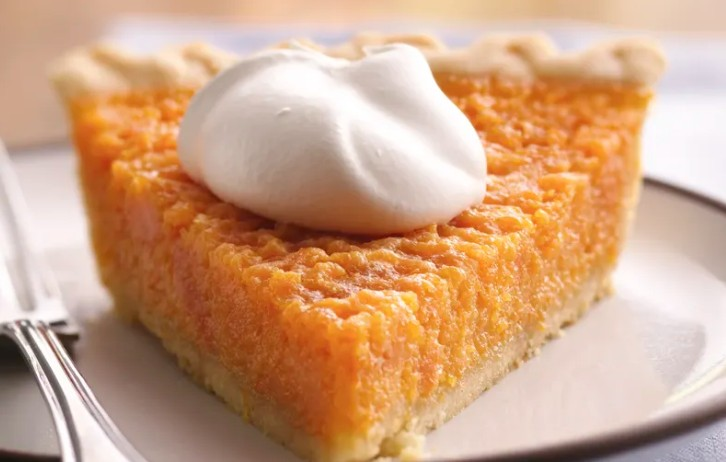
Keto sweet potato pie is a holiday classic for a reason. It’s warm, creamy, and spiced just right, the kind of dessert that shows up at family dinners year after year.
If you’re eating low carb, you don’t have to sit it out. This keto sweet potato pie keeps the rich taste and silky texture you want, without sugar and with far fewer carbs. It still bakes up smooth, holds a clean slice, and tastes “contest worthy” even next to the traditional version.
In this post, you’ll learn how to bake an award-winning keto sweet potato pie every time, from picking the right sweet potato swap to nailing the spice blend and bake time. You’ll also get exact measurements, step-by-step directions, and simple fixes for common pie problems like a runny center or cracked top.
Since this is The Frugal Ones, you’ll find budget-friendly tips too. Think affordable ingredients, smart shortcuts, and ways to avoid waste while still serving a pie that feels special.
What Makes a Keto Sweet Potato Pie Taste “Award-Winning”?
An “award-winning” keto sweet potato pie isn’t about fancy tricks. It’s about getting the basics right so each bite tastes rich, smells warm, and feels smooth on the tongue. When you build real sweet potato flavor first (then sweeten), keep the filling silky, and protect the crust from turning soft or too dark, the pie tastes like the classic you grew up with, just sugar-free.
Flavor: build real sweet potato taste first, then add sweetness
If you want that deep, caramel-like sweet potato taste, roast or bake your sweet potatoes instead of boiling them. Boiling pushes flavor into the water and leaves you with a wetter mash. Baking concentrates the natural sugars and brings out those toasted notes that make sweet potato pie taste like sweet potato pie.
A simple flavor routine that works every time:
- Bake until very tender (a knife should slide in easily). Let the potatoes cool a bit so steam can escape.
- Mash while warm, not piping hot. Warm potatoes blend smoother and take on flavor better.
- Add a little butter, a splash of vanilla, and a solid pinch of salt. That trio makes the filling taste round and complete, not thin or one-note.
Keto sweeteners can taste sharp if they’re “floating” alone. They usually taste best when you anchor them with spice and a pinch of salt. Salt doesn’t make the pie salty, it makes the sweetness taste more like real sugar.
Texture: how to get a silky filling (not grainy or runny)
Great sweet potato pie should slice clean and melt in your mouth. Texture comes down to three things: eggs, cream, and how well you blend.
- Eggs set the custard. Too few eggs and the pie can turn loose or weepy.
- Cream (or a rich dairy swap) gives the filling body and a smooth finish.
- Blending removes strings and lumps so the pie feels bakery-level.
For that silky finish, use a hand mixer or food processor and mix until the filling looks glossy and even. Small lumps won’t ruin the taste, but a smooth filling looks better and feels more “special” on the fork.
Common texture problems (and what causes them):
- Grainy filling: Often from under-mixed sweet potato, or eggs that cooked too fast from high heat.
- Runny center: Usually too much liquid, not enough baking time, or cutting the pie before it cools.
- Rubbery or curdled texture: Overbaked eggs. The pie can go from perfect to overdone quickly near the end.
A quick doneness check helps a lot. Insert a clean knife about 1 inch from the center. It should come out nearly clean, and the pie should have only a small, gentle jiggle (not a wet wobble).
Spice balance: warm, not bitter or overpowering
Spices are where sweet potato pie earns its “wow.” The goal is warmth and aroma, not a harsh bite. If your pie ever tastes bitter or perfumey, it’s usually too much clove or nutmeg.
Here’s an easy guide that keeps flavor balanced:
- Cinnamon: The main note. It reads sweet and familiar.
- Nutmeg: Adds depth, use less than you think (it can take over fast).
- Ginger: Brings a gentle heat that lifts the filling.
- Cloves: Strong and bold, a tiny amount is plenty.
If you want a shortcut, pumpkin pie spice works well in keto sweet potato pie, but it varies by brand. Taste and smell it first; some mixes are clove-heavy.
One simple trick: spices “wake up” better when they touch warmth and fat. Mix your spices into the warm sweet potato mash along with melted butter. That helps the flavor spread through the filling instead of sitting in little pockets.
Crust strategy: crisp edges, no soggy bottom
Keto pie crusts can be tricky because they don’t behave like flour crusts. Nut-based crusts (like almond flour) can brown fast, especially on the rim. The filling also adds moisture, which can soften the bottom if you skip a key step.
Two habits that help almost every keto crust:
- Par-bake the crust before adding filling. This sets the base and gives you a head start on crispness.
- Watch the edges closely. If they darken too quickly, cover them with foil so the center can keep baking.
If your crust still tends to brown faster than you like, bake the pie on a middle rack and avoid extra-high heat. A crisp, golden crust with a smooth custard center is the contrast that makes the whole pie taste “contest worthy.”
Ingredients and Tools You Need (Plus Easy Budget Swaps)
A foolproof keto sweet potato pie starts with the right building blocks. The good news is you don’t need pricey specialty items to get a smooth, rich custard and a clean slice. If you choose a sweetener that behaves well in the oven, pick a creamy dairy (or dairy-free) base, and use a couple of simple tools, the pie comes out consistent every time.
Below are the key ingredient choices and the practical, frugal swaps that keep the flavor high without blowing your grocery budget.
Best sweeteners for keto sweet potato pie (and how to avoid aftertaste)
Sweetener choice can make or break a sugar-free pie. You want sweetness that tastes clean, bakes well, and doesn’t leave a cooling bite on the tongue.
Here’s how the most common options compare:
- Allulose: The closest to sugar in how it bakes. It browns better and stays soft, which helps the filling taste warm and “real,” even after chilling.
- Erythritol blends (often erythritol + monk fruit or stevia): Usually more affordable and easy to find, but erythritol can re-crystallize as it cools. That can give the filling a faint crunch and a cooler aftertaste, especially if you use a lot.
- Monk fruit blends: Often taste the most sugar-like because they’re blended for balance. The main thing to watch is the base sweetener (many monk fruit products are still mostly erythritol).
- Brown-style sweeteners (golden or brown “sugar” substitutes): Great for sweet potato pie because they add that cozy, caramel note. Just know many are erythritol-based, so they can still firm up more than you expect once cold.
A simple rule of thumb:
- Want soft texture and better browning? Choose allulose.
- Want the lowest cost and widest availability? Use an erythritol blend, but expect a firmer set when chilled.
- Want the best overall taste? Blends often win because they balance sweetness and reduce aftertaste.
Two habits that prevent surprises:
- Check the conversion on the bag. Some sweeteners are 1:1 with sugar, others are sweeter (or less sweet). Using the wrong amount is the fastest way to get an odd taste.
- Taste the filling before baking. Dip a clean spoon in and adjust. The spices and salt help, but you still want the sweetness to feel right before it goes in the oven.
Dairy choices that keep the pie creamy (even if you are dairy-free)
Sweet potato pie is basically a custard, so the dairy you choose controls the texture. Think of it like building a “pillow” for the sweet potatoes. The richer the dairy, the smoother and more stable the slice.
- Heavy cream: The creamiest option. It gives the pie a thick, silky custard and a rich mouthfeel. If you want that contest-style texture, heavy cream is the easiest path.
- Half-and-half: Lighter and usually cheaper. The pie still tastes great, but the filling can bake up a bit less rich and slightly softer.
- Coconut cream (dairy-free): A strong dairy-free choice with good body. It makes a creamy filling, but it can bake a little softer and may add a mild coconut note (often covered by cinnamon and vanilla).
If you’re dairy-free, you can also use:
- Full-fat canned coconut milk in a pinch (a little looser than coconut cream, but still workable).
One optional “secret” that makes the filling taste bakery-rich:
- Softened cream cheese, mixed in until smooth. It adds body and a slight tang that makes the spices pop. If you’re watching costs, buy it when it’s on sale and freeze an extra block.
Keto crust options: nut-based, coconut flour, or crustless
Your crust choice affects more than the base. It changes how the pie bakes, how sturdy the slices are, and how much you spend.
- Almond flour crust (classic and sturdy): The most popular option because it’s easy to press in, holds together well, and tastes like a buttery cookie crust. The downside is cost, almond flour adds up.
- Coconut flour crust (more absorbent): Coconut flour soaks up liquid fast. That can help with structure, but it also means you need the right ratio so it doesn’t turn dry or dense. It’s often cheaper per crust since you use less flour.
- Crustless (cheapest and fastest): The most frugal option. You skip the crust step entirely, pour into a greased pie dish, and bake. It’s also naturally gluten-free and great if you like extra custard in every bite.
If you want a measured, tested crust, the recipe section will include a full crust with exact amounts. This is just your roadmap so you can pick what fits your budget and time.
Tools that make it foolproof (and what you can skip)
You don’t need a fancy kitchen to bake a reliable keto pie, but a few tools make the process smoother and help prevent common problems like lumps, burnt edges, and an overbaked center.
Tools that are worth using:
- Food processor: The fastest way to get a silky filling with no strings or lumps. It also blends sweetener and spices evenly.
- Hand mixer: A great budget-friendly stand-in. It takes a little longer, but it still gets you a smooth custard if your sweet potatoes are well-cooked.
- Aluminum foil for the edges: Keto crusts brown fast. Foil around the rim keeps the edge from getting too dark while the center finishes baking.
- Baking sheet under the pie: Catches drips, makes the pie easier to move, and helps the bottom heat more evenly.
Optional, but helpful if you like precision:
- Instant-read thermometer: The easiest way to avoid overbaking. Aim for about 175°F to 180°F in the center. You want the custard set, not tight and dry.
What you can skip:
- A stand mixer, special pie shields, and any pricey “keto baking” gadgets. If you can blend the filling smooth and protect the crust edge, you’re already most of the way to a pie that slices clean and tastes like the real thing.
Recipe: Keto and Sugar-Free Sweet Potato Pie (Exact Measurements and Step-by-Step Directions)
This is the exact, repeatable method I use when I want a smooth, sliceable keto sweet potato pie that still tastes like the classic. The keys are simple: roast the sweet potatoes until they’re very soft (for deep flavor), blend the filling until glossy (for that silky custard), and chill before slicing (so it holds clean).
Ingredients list (keto sweet potato filling)
Measure everything as written, and measure the mashed sweet potato after roasting, peeling, and mashing (not before).
- 1 cup cooked mashed sweet potato (measured after roasting, peeling, and mashing)
- 3 large eggs
- 3/4 cup heavy cream
- 3 tablespoons unsalted butter, melted
- 2 teaspoons vanilla extract
- 3/4 cup keto brown sweetener or allulose blend (granulated)
- 1 1/2 teaspoons ground cinnamon
- 1/2 teaspoon ground nutmeg
- 1/2 teaspoon ground ginger
- 1/8 teaspoon ground cloves (optional)
- 1/2 teaspoon fine salt
- 2 ounces cream cheese, softened (optional, for extra creamy filling)
- 1 teaspoon lemon juice (optional, for brightness)
Ingredients list (keto pie crust)
This is a simple press-in almond flour crust that bakes up sturdy and lightly crisp.
- 1 1/2 cups blanched almond flour
- 3 tablespoons powdered keto sweetener
- 1/4 teaspoon fine salt
- 1/2 teaspoon ground cinnamon (optional)
- 5 tablespoons unsalted butter, melted
- 1 large egg (optional, helps bind and slice clean)
Crustless option: Skip the crust, grease a 9-inch pie dish well with butter, then bake the filling directly in the dish.
Directions: bake the sweet potatoes, make the crust, mix the filling, bake, cool, and chill
- Roast the sweet potatoes. Heat the oven to 400°F. Scrub 2 medium sweet potatoes (you’ll measure the mash later). Pierce each a few times with a fork, set on a foil-lined baking sheet, and roast 50 to 70 minutes, until a knife slides in with almost no resistance.
- Cool, peel, then mash. Let the sweet potatoes cool until you can handle them, about 15 to 20 minutes. Peel off the skins, mash the flesh, then measure 1 cup mashed sweet potato for the filling.
- Turn the oven down for pie baking. Reduce oven heat to 350°F. Place a rack in the middle.
- Make the crust mixture. In a medium bowl, stir together almond flour, powdered sweetener, salt, and cinnamon (if using). Add melted butter and mix until evenly moistened. Stir in the egg (if using) until the dough looks like a thick paste.
- Press into the pan. Press the crust firmly into a 9-inch pie pan, working it up the sides. Use the bottom of a measuring cup to compact it so it bakes up crisp.
- Dock and par-bake. Prick the bottom of the crust 10 to 12 times with a fork. Par-bake at 350°F for 10 to 12 minutes, until the crust looks set and smells lightly toasty. Cool the crust for 10 minutes while you make the filling.
- Blend the filling until smooth. In a food processor or large bowl, combine the 1 cup mashed sweet potato, eggs, heavy cream, melted butter, vanilla, keto brown sweetener or allulose blend, cinnamon, nutmeg, ginger, cloves (if using), and salt. Add cream cheese and lemon juice if you’re using them. Blend or mix until the filling looks glossy and fully smooth.
- Taste and adjust. Taste a small amount of filling and adjust if needed. If you want it sweeter, add 1 to 2 more tablespoons sweetener. If you want more warmth, add a pinch of cinnamon or ginger. Don’t overdo nutmeg or cloves, they can take over fast.
- Fill the crust. Pour the filling into the warm par-baked crust. Tap the pan gently on the counter once or twice to pop any air bubbles.
- Bake until set. Bake at 350°F for 40 to 55 minutes. Start checking at the 40-minute mark.
- Use the doneness test that prevents a runny center. Insert a clean knife 1 inch from the center. It should come out nearly clean, and the pie should have minimal jiggle (a gentle wobble is fine, it will firm as it cools). If the center looks loose, bake 5 to 10 minutes more, checking again.
- Protect the crust if it browns too fast. If the crust edges darken early, loosely cover just the rim with foil and keep baking until the center sets.
- Cool, then chill for clean slices. Cool the pie on a rack for at least 2 hours at room temp. Then cover and chill 4 hours or overnight. Chilling is what gives you neat slices instead of messy scoops.
Serving ideas that feel special (still keto)
Dress it up without adding sugar or fuss.
- Homemade whipped cream: whip heavy cream with a little vanilla and powdered keto sweetener.
- Cinnamon dusting: a light sprinkle right before serving makes it smell amazing.
- Toasted pecans: toast in a dry skillet for 3 to 5 minutes, then scatter on top.
- Sugar-free caramel drizzle: warm it slightly so it pours in thin ribbons.
- Keto vanilla ice cream: a small scoop turns it into a full dessert plate.
- Cream cheese whip: beat softened cream cheese with a splash of cream and vanilla for a tangy topping.
- Coffee pairing: serve with hot coffee, espresso, or a cinnamon-spiced latte made with unsweetened almond milk.
How to Bake It Perfectly Every Time: Timing, Temperature, and Doneness Checks
Keto sweet potato pie is a custard pie, so it rewards steady heat and patience. If you treat the oven like a “gentle set” instead of a blast furnace, you’ll get a smooth center, clean slices, and a crust that doesn’t taste burnt. The goal is simple: bake evenly, stop at the right moment, then let the pie finish setting as it cools.
Best oven setup for even baking
Even baking starts with where the pie sits and how heat moves around it.
- Rack placement: Put the pie on the middle rack. This keeps the bottom from over-browning and protects the top from getting too dark before the center sets.
- Use a baking sheet under the pie: Set the pie dish on a rimmed baking sheet. It makes the pie easier to move, catches any butter drips from the crust, and helps the heat stay more even under the pan (especially in older ovens with hot spots).
- Preheat like you mean it: Custard needs a stable temp. If you slide the pie into a half-warm oven, the edges start setting at a different pace than the center. Preheat fully, then bake.
- If you use convection: Convection runs hotter because the fan moves heat fast. A good starting point is to lower the temp by about 25°F and begin checking a bit earlier. If your crust browns too fast in convection, switch to regular bake.
How to know it is done without guessing
The pie can look “done” and still be runny inside. Use quick checks that don’t rely on luck.
Here are three reliable ways to test doneness:
- Gentle jiggle: Nudge the pie dish with an oven mitt. You want a slight wobble in the center, like set Jell-O. If the whole surface ripples like a liquid, it needs more time.
- Knife test (one inch from center): Insert a clean knife about 1 inch from the center. It should come out nearly clean (a tiny bit of moist custard is fine). If it comes out coated, bake longer.
- Optional internal temp for custard pies: If you like numbers, check the center with an instant-read thermometer. A great target range is 175°F to 180°F. Much higher and the eggs can tighten, which can lead to a drier texture and more cracking.
After baking, don’t rush the slice. Let it cool, then chill before cutting. That chill time turns “soft custard” into neat, bakery-style slices.
Stop crust burn and cracked tops
Most pie problems show up at the edges and on the surface. A few small habits fix both.
- Cover the edge once it starts browning: If the crust rim is getting too dark, loosely wrap just the edge with foil and keep baking. This is extra helpful with almond flour crusts, which brown fast.
- Don’t whip extra air into the filling: Overmixing can trap air bubbles. Those bubbles rise, then pop and leave a rough top (sometimes with cracks). Mix until smooth and glossy, then stop.
- Don’t bake too hot: High heat sets the outside too fast while the center plays catch-up. That stress can cause a cracked top and a firmer texture. Stick with a steady, moderate temp.
- Resting and chilling help: A pie can look more cracked when it’s hot and still shifting. Cooling at room temp, then chilling, helps the surface settle and makes any small cracks far less noticeable once sliced.
Troubleshooting and Pro Tips for a Contest-Worthy Keto Sweet Potato Pie
Even a “foolproof” keto sweet potato pie can act up if one small step goes off track. The good news is most problems come from a short list of causes, and once you know what to look for, you can fix the next pie before it hits the table. Use the tips below like a quick diagnostic guide, then add a few small upgrades that make your pie taste like it came from a bakery.
Why your filling turned runny (and how to fix it next time)
A runny pie usually isn’t a recipe problem, it’s a moisture and set problem. Custard needs the right balance of liquid and bake time, then it needs time to firm up as it cools.
Here are the most common causes:
- Too much liquid in the mix: Extra cream, big eggs, or “eyeballing” the mash can tip the balance.
- Sweet potatoes held extra water: Some are just wetter than others, and boiling makes it worse.
- Not enough bake time: The center can look set, but still be underbaked.
- Skipping chill time: Warm custard slices like pudding. Cold custard slices like pie.
Fix it next time with these habits:
- Roast, don’t boil. Roasting drives off water and concentrates flavor. Boiling adds water and can make your mash loose.
- Measure the mash, not the potato. Measure 1 cup mashed sweet potato after roasting, peeling, and mashing. If you pack the cup too tight or scoop it heaping, you change the pie.
- If your mash looks wet, dry it out. Spread the mash on a sheet pan and warm it in the oven for a few minutes. You’re not “cooking” it more, you’re letting steam escape.
- Bake longer, but protect the crust. If the edges are browning, cover the rim with foil and keep baking. The center needs time to set.
- Chill overnight when you can. A few hours helps, but overnight chilling gives the cleanest slices and the best texture.
If you already baked it and it’s runny, you can sometimes save it by chilling it longer. The fridge can tighten a soft custard quite a bit. If it’s truly underbaked (wet wobble, not a gentle jiggle), you can return it to the oven and bake in 5 to 10 minute bursts. Just watch the crust edges.
How to fix grainy texture and avoid sweetener grit
A grainy filling can come from two places: the sweet potato mash wasn’t blended enough, or the sweetener re-crystallized as the pie cooled (common with erythritol-heavy blends).
To get a smooth, contest-worthy texture:
- Blend longer than you think you need. The filling should look glossy, not just “mixed.” A food processor is the fastest path, but a hand mixer works if the sweet potatoes are very soft.
- Use powdered sweetener for the filling. Powdered sweetener dissolves faster and leaves less grit. If you only have granulated, pulse it in a blender to make it finer.
- Consider allulose for the smoothest finish. Allulose tends to stay softer after chilling, so the filling feels more like a classic sugar-based custard.
- Don’t judge texture while it’s warm. Keto custards often feel a little loose and uneven when hot. Let the pie cool, then chill fully before you decide something “went wrong.”
One extra smoothing option that also adds richness: cream cheese. Even 2 ounces, fully softened and blended in, can make the filling feel thicker and silkier. It also helps cover any sharp edges from sweetener.
Crust problems: soggy bottom, crumbling, or shrinking
Keto crusts behave more like a pressed cookie crust than a flaky pastry crust. That’s a good thing, but it means technique matters.
If the bottom is soggy:
- Par-bake the crust. This is the biggest fix. A quick par-bake sets the base so the filling doesn’t soak in.
- Cool the crust before filling. Give it about 10 minutes after par-baking so the structure firms up.
- Let the pie cool before slicing. Slicing hot pie releases steam, and that steam can soften the bottom fast.
If the crust crumbles:
- Press firmly, then press again. Use the bottom of a measuring cup to compact it. Loose crumbs become loose slices.
- Add a touch more butter if the mix looks dry. Almond flour can vary by brand. If it won’t hold when squeezed, it needs a bit more fat.
- Use the egg for binding. If you want sturdy, clean slices (especially for a contest-style look), the optional egg in the crust helps a lot.
If the crust shrinks or slumps:
- Press it up the sides with even thickness. Thin sides slide down more easily.
- Don’t skip docking (fork holes). A few fork pricks help prevent puffing and shifting during the par-bake.
- Avoid filling a hot, soft crust. A short cool-down helps it hold its shape.
One more slicing tip that solves a lot of “my crust fell apart” complaints: chill the whole pie, then slice. Warm crust is fragile, cold crust holds.
Small upgrades that make people ask for the recipe
Once your pie is stable and smooth, tiny flavor moves make it taste expensive (without adding much cost). These are the kinds of details people notice but can’t quite name.
Try one or two:
- Brown the butter for the filling. Melt the butter and cook it until it smells nutty and turns golden. Cool it for a few minutes, then add it to the mix. It adds a toasted note that pairs perfectly with cinnamon and vanilla.
- Toast your spices in butter first. Add cinnamon, nutmeg, and ginger to warm butter for 30 to 60 seconds, then mix into the filling. Spices “wake up” in fat, and the pie smells incredible.
- Add a pinch of espresso powder (optional). You won’t taste coffee. You’ll taste deeper caramel and spice. Start with a tiny pinch, too much can take over.
- Finish simply, but neatly. A dollop of whipped cream and a light spice dusting (cinnamon or pumpkin pie spice) makes each slice look bakery-ready.
- Get clean slices every time. Use a sharp knife dipped in warm water, wipe it dry, and slice. Repeat between cuts for that crisp, photo-worthy edge.
If you want the pie to feel “special” on a budget, focus on aroma and texture. A smooth custard, warm spices, and clean slices sell the whole dessert before anyone takes a bite.
Enjoy!
An award-winning keto sweet potato pie comes down to a few repeatable habits. Roast the sweet potatoes for deep, caramel-like flavor, then blend the filling until it turns glossy and smooth. Par-bake the crust so it stays crisp, bake the custard until it’s barely set (check with a clean knife 1 inch from the center), then chill long enough for clean, bakery-style slices.
This is the kind of sugar-free dessert you can bring to holidays, potlucks, and family gatherings without anyone calling it “diet food.” Serve it with whipped cream, a light dusting of cinnamon, or a small scoop of keto vanilla ice cream for a classic finish.
Save this recipe so it’s ready when the next craving hits, and share it with someone who misses sweet potato pie on keto. On your next bake, try one small upgrade, like browned butter, toasted spices, or a pinch of espresso powder, then see how far one simple tweak can take a familiar favorite.
How to Make Pie Crust: The Complete Guide
How to Bake an Award-Winning Coconut Cream Pie Every Time
How to Bake an Award-Winning Chocolate Pecan Pie Every Time
How to Bake an Award-Winning Lemon Meringue Pie Every Time
How to Bake an Award-Winning Cherry Pie Every Time
How to Bake an Award-Winning Pecan Pie Every Time
How to Bake an Award-Winning Blueberry Pie Every Time
How to Bake a Perfect Classic Apple Pie Every Time
How to Bake a Perfect Classic Pumpkin Pie Every Time
How to Make Classic Boston Cream Pie at Home
How to Make a Fresh Strawberry Cake at Home