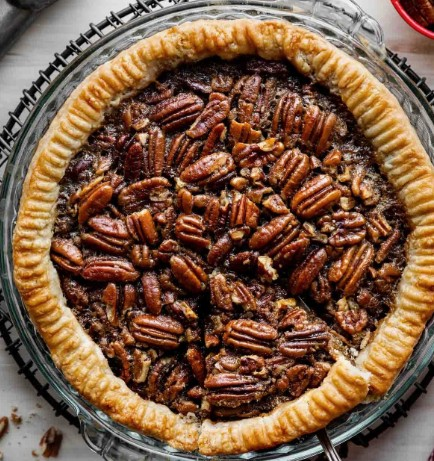
Holiday pecan pie is supposed to feel rich and classic, not like a sugar bomb that leaves you sleepy. This guide shows you how to bake an award-winning sugar-free pecan pie that looks shiny on top, sets up firm, and slices clean every time.
In this recipe, “sugar-free” means no added sugar from white or brown sugar, or corn syrup. Instead, it uses sugar-free sweeteners that bake well and taste balanced. It’s a great fit for diabetic-friendly tables, low-sugar households, and anyone cutting carbs without giving up dessert.
Two things make or break a pecan pie like this: a crust that stays light and flaky, and a filling that sets without a runny center. You’ll also avoid the common sugar-free issues like gritty texture, odd aftertaste, or a filling that won’t hold its shape.
You’ll get exact ingredient lists, step-by-step directions, and a few frugal tips to keep costs down (without skimping on flavor). Serve it at any holiday gathering and watch the slices disappear fast.
What Makes a Sugar Free Pecan Pie Taste Award Winning (Flavor, Shine, and Clean Slices)
An award-winning sugar-free pecan pie has three things going for it: big, buttery flavor, a glossy top, and a filling that cuts into clean, bakery-style slices. That combo doesn’t happen by luck. It comes from picking the right sweetener for the texture you want, building a custard that sets without corn syrup, and treating the pecans like the star ingredient they are.
Choose the right sugar free sweetener so the filling is smooth, not gritty
Sugar-free pecan pie can taste amazing, but the wrong sweetener can ruin the texture. If your pie feels sandy, crunchy, or “cold” on the tongue, the sweetener is usually the reason.
Here’s how the most common options behave in a baked pecan pie:
- Allulose: This is the closest thing to classic pecan pie flavor. It browns well, tastes a bit like caramel, and helps you get a soft, gooey set without grit. If you want a shiny top and a tender bite, this is often the easiest path.
- Monk fruit erythritol blends: These taste sweet and bake fine, but they can re-crystallize as the pie cools. That’s when you get little crunchy bits or a slightly gritty bite, especially after chilling.
- Pure erythritol: This is the most likely to cause that cooling effect and a crunchy texture, even if the filling looked smooth going into the oven. It can still work, but it’s less forgiving.
- Liquid sweeteners (like liquid monk fruit or stevia): These can help with a glossier finish because there are no crystals to form. The downside is it’s easy to overdo it, since they’re very concentrated, and they don’t add “bulk” the way granulated sweeteners do.
A simple rule that saves a lot of trial and error: use powdered sweetener when you can. Powder dissolves faster and is less likely to leave grit behind. If you only have granulated, you can pulse it in a blender or spice grinder to make it finer.
One more tip if you used an erythritol blend: don’t over-chill the pie. A long stint in the fridge can bring out crystallizing. Let it cool to room temp for clean slices, then chill only if you need to store it.
If you’re very carb sensitive, check labels closely. Some “sugar-free” products include fillers like maltodextrin or hidden sugars that can add carbs and affect blood sugar.
Get that classic gooey set without corn syrup or brown sugar
Classic pecan pie relies on corn syrup and brown sugar for that thick, sticky center. In a sugar-free version, you recreate that texture by building the structure on purpose.
Think of the filling like a custard with nuts:
- Eggs set as they bake, giving the pie a sliceable, custard-like base.
- Butter adds richness and that old-school pecan pie flavor.
- A syrup-style sweetener blend (or a sweetener that melts smoothly) adds body, helping the filling feel gooey instead of dry or eggy.
If your goal is clean slices, don’t treat eggs like an afterthought. Whisk them until smooth (no streaks), then mix them in gently so the filling bakes up even and silky.
For extra insurance, a small binder can help, especially if you’ve had sugar-free pies turn out loose:
- A tiny pinch of xanthan gum can stabilize the custard and keep the pecans suspended.
- A spoonful of almond flour can add a little body and help absorb excess moisture.
Keep it light. Too much binder makes the filling gummy, and you’ll lose that classic tender bite.
When sugar is lower, flavor add-ins matter more. Salt and vanilla act like flavor multipliers. Salt pulls out the buttery, nutty notes, and vanilla rounds out any sharp edges from sweeteners. If your pie ever tasted “flat,” it probably needed more of one of those two.
Toast pecans first for deeper flavor and a more “buttery” taste
If you want people to take one bite and say, “This tastes like the real thing,” toast the pecans first. Raw pecans can taste mild and a little grassy. Toasting wakes them up.
Toasting works because it:
- Brings natural oils to the surface, which makes the nuts taste richer
- Adds a warm, roasted note that reads as buttery even before the butter hits
- Cuts that raw-nut flavor so the filling tastes deeper, not just sweet
An easy method that won’t stress you out:
- Heat the oven to 350°F.
- Spread pecans in a single layer on a dry sheet pan.
- Toast for 5 to 7 minutes, then stir once halfway through.
- Pull them when they smell nutty and look slightly darker (they can burn fast in the last minute).
- Cool before adding to the filling so they don’t start “cooking” the eggs.
If you’re watching your grocery budget, toast extra while the oven is hot. Store the leftovers in a jar for snacks, oatmeal, yogurt, or salad toppers. You already paid for the heat, so you might as well get more out of it.
Ingredients and Exact Measurements: Sugar Free Pecan Pie (With a Flaky, Crust Option)
When a sugar-free pecan pie turns out runny or dull, it’s usually not the oven. It’s the ratios. The ingredient amounts below are set up to give you a glossy filling that sets, plus plenty of toasted pecans for that classic crunch. Pick your crust option, then move on to the filling.
Recipe: Sugar Free Pecan Pie Filling (9 inch pie)
Use this as written for a 9-inch pie. The filling should look smooth and glossy before it goes into the crust.
Ingredients (exact amounts)
- 3 large eggs, room temperature
- 1 cup allulose (or 1 cup monk fruit sweetener blend, ideally powdered)
- 1/2 cup sugar-free maple-style syrup (optional, for deeper “brown sugar” vibes)
- 1/2 cup unsalted butter (1 stick)
- 1 tablespoon vanilla extract
- 1/2 teaspoon fine sea salt
- 2 cups pecan halves, toasted and cooled (about 8 ounces)
Step-by-step directions
- Toast the pecans first (if you haven’t already). Toast at 350°F for 5 to 7 minutes, stir once, then cool completely. Warm nuts can thin the filling and throw off the set.
- In a small saucepan over low heat, melt the butter. Add the allulose (or monk fruit blend), salt, and sugar-free maple-style syrup (if using). Stir until the mix looks uniform and glossy.
- Take the pan off the heat and stir in the vanilla.
- Cool the syrup mix before adding eggs. Let it sit 10 to 15 minutes, stirring every so often, until it’s warm but not hot. If it’s too hot, the eggs can scramble and you’ll lose that silky texture.
- In a mixing bowl, whisk the room temperature eggs until no streaks remain. Room temperature eggs blend easier, so the filling turns smooth faster and bakes more evenly.
- Slowly pour the warm (not hot) syrup mixture into the eggs while whisking the whole time. This tempers the eggs and keeps the filling custardy, not lumpy.
- Fold in the cooled toasted pecans until evenly coated.
- Pour into your unbaked crust and bake using the timing and cues in the baking section of the main recipe (you’re looking for a set edge and a slight center jiggle).
Sweetness level and sweetener choice (quick notes)
- Allulose gives the most classic pecan pie flavor and texture, with a smooth bite and good shine.
- A monk fruit blend works too, but choose one that’s labeled as a baking blend. Powdered is best for fewer gritty bits.
- Adding the sugar-free maple-style syrup is optional, but it boosts that old-school pecan pie taste without adding sugar. If you skip it, the pie still sets well, it’s just a bit less “caramel-like.”
Recipe: Pie Crust Options (choose one)
You can keep this frugal and simple with a store-bought shell, or make a flaky butter crust at home. Either way, protect your crust edges so the center can finish baking without the rim getting too dark.
Option A: Store-bought 9-inch pie shell (fast and budget friendly)
What to buy and what to check
- 1 (9-inch) unbaked pie shell
- Check the label for added sugars (words like sugar, corn syrup, dextrose) and for sweet fillings in the ingredient list. A little sugar in the crust is common, but you can often find shells with 0 g added sugar or very low added sugar.
Directions
- Thaw the crust if required by the package.
- Place it on a baking sheet (easier to move, catches drips).
- Add filling and bake.
- At about the halfway point, cover the edges with foil or a pie shield to prevent burning.
Option B: Simple homemade flaky butter crust (9-inch)
This is a classic, no-fuss crust that bakes up tender and flaky. Keep everything cold, that’s the whole trick.
Ingredients (exact amounts)
- 1 1/4 cups all-purpose flour (150 g)
- 1/2 teaspoon fine salt
- 1/2 cup unsalted butter, very cold and cubed (113 g, 1 stick)
- 4 to 6 tablespoons ice water (start with 4)
Directions
- In a bowl, mix the flour and salt.
- Cut in the cold butter until it looks like coarse crumbs with a few pea-size pieces left (those butter bits make flakes).
- Add ice water 1 tablespoon at a time, mixing just until the dough holds together when you squeeze it. Stop as soon as it comes together.
- Form into a disk, wrap, and chill for 30 to 60 minutes.
- Roll the dough into a 12-inch circle, then fit it into a 9-inch pie plate.
- Trim the edge, tuck under, and crimp. Chill again for 10 to 15 minutes while you finish the filling.
- Fill and bake. Cover the edges with foil or a pie shield if they brown too fast.
Frugal tip: Make two crusts at once. Wrap the extra disk tightly and freeze for up to 3 months. Next pie night feels almost free.
Step by Step Baking Method: How to Prevent a Runny Center and Burnt Crust
A sugar-free pecan pie can look perfect going into the oven, then come out with a soupy middle or a crust that tastes a little too “toasted.” The fix is not fancy, it’s a smart mixing order, steady oven settings, and knowing what “done” actually looks like for a custard-style filling.
Mix the filling the right way (so the eggs do not scramble)
Think of your filling like a warm syrup meeting a delicate custard. If the syrup is too hot, the eggs seize up. That’s when you get little egg bits, a grainy bite, or a filling that sets unevenly.
Use this order every time:
- Warm the syrup-style mixture first. In a small saucepan over low heat, combine the butter, sweetener, salt, and any sugar-free syrup you’re using. Stir until the sweetener fully dissolves and the mixture looks smooth and glossy.
- Do not boil it. A boil is too aggressive. It can push the mix past “warm” into “egg-scrambling hot,” and it can also create a grainy texture later as the sweetener tightens up.
- Cool it slightly before eggs go in. Take the pan off the heat and let it sit for 10 to 15 minutes, stirring once or twice to release heat.
- Whisk the eggs in a separate bowl. Whisk until there are no streaks (that helps the filling bake evenly and prevents eggy patches).
- Whisk the warm syrup into the eggs gradually. Pour in a thin stream while whisking the whole time. This “tempers” the eggs, so they warm up slowly and stay silky.
A quick way to check temperature before adding eggs is the finger test: dip a clean finger into the syrup mix. It should feel warm and comfortable, not hot enough that you pull your finger back. If it feels too hot to hold, wait a few more minutes.
Bake settings that work in most ovens
Most pecan pie problems come from two things: an oven that runs hot, or baking too low in the oven where the crust takes the heat hit.
These settings are reliable for most kitchens:
- Oven temp: 350°F
- Rack position: middle rack
- Bake time: 45 to 60 minutes (pan type and oven swing the timing)
Plan to protect the crust before it gets too dark. Add a shield at about minute 25 to 30, when the edge starts turning deep golden.
A few pan notes that matter more than people think:
- Glass pie plate: Browns a bit slower, but holds heat longer. Your pie may need a little more time, and it can keep cooking after you pull it.
- Metal pie plate: Browns faster and reacts quickly. Great for crisp crust, but it’s easier to over-brown the rim.
If your pies are “random” from bake to bake, don’t guess. Use an oven thermometer. Many ovens are off by 15°F to 25°F, and that’s enough to burn crust edges while the center stays loose.
The doneness test: set edges, slight center wobble, and safe cooling
A pecan pie filling is basically a sweet custard. Custard doesn’t set like cake. It firms as it cools, and it keeps cooking for a bit after it leaves the oven.
Here’s what you’re looking for at the end:
- Edges are set: The outer 2 to 3 inches should look puffed and firm.
- Center still wobbles: The middle should move like soft gelatin, not slosh like soup. If the center ripples like a wave, it needs more time.
- Tester check near the edge: Slide a thin knife or skewer into the filling about 1 inch from the crust. It should come out mostly clean, with maybe a little sticky filling (not wet egg).
Pulling the pie at the right moment matters. If you wait until the center is rock solid in the oven, it usually means the eggs have gone too far. That can cause a rubbery texture, a cracked top, and a filling that tastes more like overbaked custard than classic pecan pie.
Once it’s out, let carryover heat do its job:
- Cool the pie on a rack for 2 to 3 hours before slicing.
- Don’t rush the first cut. A warm pecan pie almost always looks runny, even when it will set perfectly at room temp.
Make It “Contest Worthy”: Shine, Slice, Storage, and Money Saving Tips
A great sugar-free pecan pie should look as good as it tastes. You want that shiny top, neat slices that hold their shape, and a filling that stays smooth after chilling. The best part is you don’t need pricey ingredients to get there, you just need a few small habits that stack the odds in your favor.
How to get a glossy top and bakery style look
That classic pecan pie shine comes from a filling that’s more syrup-like than foamy. When your sweetener fully dissolves and you heat it gently, the surface bakes up smooth and reflective instead of dull or grainy.
A few simple details help the shine show up:
- Use a syrup-style sweetener when you can. Allulose and sugar-free maple-style syrup blends tend to look glossier because they behave more like traditional syrup.
- Dissolve the sweetener completely. Stir over low heat until the mixture looks uniform and glossy, with no visible grit. If you see crystals on the spoon, keep going a bit longer.
- Keep the heat gentle. Boiling can thicken too fast and can lead to a less even top. Low heat gives you control and helps the filling bake up smooth.
For that bakery-style finish, focus on the top and the edges:
- Arrange a ring of pecan halves on top before baking. Even if you use pieces inside (more on that below), a neat circle of pecan halves makes the pie look intentional and “fancy” with almost no effort.
- Brush the crust with egg wash (optional). A quick swipe of beaten egg on the crust edge adds a deeper golden color. It’s not required, but it reads like a professional touch.
- Slice like a bakery. Use a thin, sharp knife, and wipe the blade clean between cuts. A warm, damp cloth works well, and it keeps the filling from smearing across the next slice.
If you want extra clean edges, let the pie cool fully at room temp before you cut. A warm pecan pie will always act softer, even when it’s baked perfectly.
Storage, freezing, and sweetener texture changes over time
Sugar-free pecan pie stores well, but the sweetener you choose can change the texture after chilling. A few storage habits keep the filling smooth and the slices clean.
Refrigerator storage (best for short-term):
- Cover the pie well (plastic wrap, a pie keeper, or foil).
- Refrigerate for 3 to 4 days.
- For the best texture, bring slices to room temperature before serving. The filling softens, the butter notes come through, and the sweetener taste feels more balanced.
Freezing (best for longer storage and make-ahead):
- Chill the pie until firm, then cut into slices.
- Freeze slices on a tray until solid (this prevents a mess).
- Wrap each slice tightly, then store in a freezer bag or container.
To serve, thaw overnight in the fridge, then rest at room temp for 30 to 60 minutes.
About that crunchy texture after chilling: if you used an erythritol blend (including many monk fruit blends), it can re-crystallize in the fridge. That can make the filling feel slightly crunchy, even if it was smooth on day one.
Here’s how to fix it:
- Let the slice sit at room temperature for a bit, the crystals soften as the pie warms.
- If it still feels crunchy, warm the slice gently (a short microwave burst works), then rest it for a minute before eating.
- If you’re baking for a special event and want the smoothest bite after chilling, choose allulose next time. It stays softer and tends to keep that classic gooey texture.
Ugrades that actually improve the pie
“Award-winning” is about technique, not expensive ingredients. These upgrades improve the look, flavor, and budget at the same time.
- Use pecan pieces in the filling, save halves for the top: pieces cost less, and the top still looks picture-perfect.
- Toast pecans while the oven preheats: you’re already paying to heat the oven, so make that time count.
- Make crust in batches: double the dough, freeze one disk, and the next pie feels almost free.
- Buy store-brand butter: in a pie like this, the method matters more than the label.
- Compare sweetener cost per cup: price tags fool people. Check the cost per cup (or per ounce) and pick what fits your budget and taste.
- Bake two pies at once when hosting: same oven, same effort, and you can freeze a few slices for later.
- Use leftover pecans where they shine: stir into oatmeal, toss on salads, or add to yogurt so nothing sits forgotten in the pantry.
If you want that contest-worthy look without stress, focus on the shine, the cooling time, and the knife wipe. Those small moves make every slice look like it came from a bakery case.
Enjoy!
An award-winning sugar-free pecan pie comes down to a few repeatable moves. Pick a sweetener that stays smooth (allulose is the easiest for a glossy, gooey set), toast the pecans for deeper flavor, and dissolve the sweetener fully so the filling bakes up shiny, not grainy. Temper the eggs with warm (not hot) syrup so the custard stays silky, then bake until the edges are set and the center has a gentle wobble. Give it time to cool fully, that’s what turns a soft pie into clean, bakery-style slices.
Do a low-stress test run on a weekend, then tweak the sweetness and crust thickness to match your crew. Keep your focus on texture, it’s what makes people come back for that second slice.
Save this recipe, share it with a friend who needs a sugar-free holiday dessert, and check out the related sugar-free dessert ideas for more budget-friendly holiday favorites. A flawless pecan pie draws a crowd every season, and this one won’t last long.