You don’t need “diet food” to eat low carb, you just need a few low carb swaps that match how you already cook. This guide, how to swap high-carb foods for low-carb pantry items (2026) tips/recipes, covers the usual carb traps, sugar, flour, rice, potatoes, cereal, breading, and sauces, with low-carb staples you can keep on hand. You’ll get quick swap lists, simple label checks to spot hidden starch and sugar, and easy stocking tips, so your comfort-food dinners still taste familiar, they just fit your carbohydrate intake.
Here’s the big idea you’ll use again and again:
- Keep the flavor: Use spices, fats, and acids to replace what carbs used to do.
- Swap the base: Trade flour, rice, and breading for low-carb stand-ins.
- Watch sauces: Many “savory” jars are sweetened or thickened.
- Plan your staples: Stock once, cook all week.
This approach works for the keto diet, diabetic-friendly, sugar-free, and high-protein low-carb eating, and can aid in weight loss, and you’ll find more pantry and recipe help at KetoSugarFree.com. Net carbs matter, portions matter, and everyone responds differently, if you have diabetes or take glucose-lowering meds, check with your clinician before making big changes.
The simple method for swapping high carb foods (without wrecking taste)
Most high-carb staples like refined grains do two jobs: they add bulk (bread, rice, flour) and they balance flavor (sugar in sauces, cereal sweetness). The simple swap method is to replace each job on purpose. Use low carb alternatives for structure, then use fats, acids, salt, and spices for the “comfort food” taste you expect.
What “low carb pantry” really means (and what to buy first)
A pantry is shelf-stable food you can store for weeks or months. A fridge is for short-life items like dairy, fresh meat, and produce. When your pantry is set, low-carb meals get easier because you’re not starting from scratch every time.
Start with these priorities (buy one or two at a time):
- Sweeteners: monk fruit, erythritol blends, allulose (if it works for you)
- Low-carb flours: almond flour, coconut flour
- Binders/thickeners: xanthan gum, psyllium husk, gelatin
- Oils: olive oil, avocado oil, coconut oil
- Vinegars: apple cider vinegar, red wine vinegar
- Canned proteins: tuna, salmon, chicken, sardines
- Nuts/seeds: chia, flax, pepitas, walnuts, almonds
- Spice basics: garlic powder, onion powder, paprika, chili powder, cinnamon
- Go-to condiments: mustard, hot sauce, sugar-free ketchup, mayo, soy sauce or coconut aminos
Grab-and-go healthy snacks from the pantry help when cravings hit: single-serve nuts, tuna packets, pork rinds, shelf-stable olives, or chia pudding mix. Portion tip: pre-bag snacks into small containers so “just a handful” doesn’t turn into three.
For shopping lists and sugar-free, low-carb staple ideas, KetoSugarFree.com is a handy hub to bookmark.
Net carbs, blood sugar, and why some “keto” products still spike you
Net carbs are a simple shortcut, but labels can get tricky. The basic idea is net carbs = total carbs minus fiber content. Some brands also subtract sugar alcohols, but that does not always match how your body responds to carbohydrate intake.
Two common label traps show up in “keto” foods:
- Dextrose and maltodextrin: These are fast-digesting carbs that can raise blood sugar. They often appear in spice blends, drink mixes, and “sugar-free” packets.
- IMO (isomaltooligosaccharide) syrup: This fiber-like syrup has been used in bars and treats, but many people still see a glucose rise from it.
Sugar alcohols are also a mixed bag. Erythritol tends to have less impact for many people, while maltitol often raises blood sugar levels more. Even when blood sugar stays steady, digestive upset can happen (gas, bloating, or urgency), especially with larger servings.
A practical approach is to keep portions reasonable, try one new product at a time, and pay attention to how you feel. If you track glucose, test before and after to learn what works for you. KetoSugarFree.com can also help you find low-carb staples and recipes that skip the usual problem ingredients.
Best low carb swaps for sugar, syrup, and sweet snacks
Sugar shows up in more places than desserts. It smooths out bitter coffee, helps cookies brown, and gives sauces that familiar “finished” taste. The good news is you can keep the sweetness without keeping the carbs, preserving better nutritional value as long as you pick the right sweetener for the job and watch for sneaky fillers.
If you want recipe ideas that actually taste like the real thing, KetoSugarFree.com has sugar-free desserts and pantry guides built around these same swaps.
Quick swap chart: white sugar and brown sugar alternatives
Use this quick chart of low carb swaps when you’re replacing white sugar or brown sugar. Think of it like choosing the right tool, not just “a sweet thing”.
- Best for baking (cookies, bars, cakes)
- Allulose-based options (commonly found online in the US): great for softer texture and better browning than many sugar alcohols.
- Swerve (granular or brown): reliable 1:1 style measuring in many recipes.
- Lakanto (monk fruit blends): widely used for baked goods, pick the version that matches your recipe.
- Best for drinks (coffee, tea, lemonade)
- NuNaturals (monk fruit drops or blends): easy to sweeten without grit.
- Sukrin (powdered options): dissolves better than coarse granules.
- Best for caramel flavor (brown sugar vibe)
- So Nourished (brown sweetener): good for sauces and “brown sugar” notes.
- Allulose + a pinch of molasses (optional): keeps carbs low while adding real caramel taste.
One more label habit that saves a lot of frustration: avoid “keto” blends with hidden carbs like dextrose, maltodextrin, or added sugar listed in the fine print.
Low carb syrup options (and what to avoid)
Syrup is tricky because it’s basically liquid sugar, which spikes your carbohydrate intake. A good low-carb swap needs sweetness plus thickness, without a blood sugar hit.
Here are the options that tend to work best:
- Monk fruit or erythritol “maple” syrups: These are the most common sugar-free pancake syrups. They’re convenient, easy to portion, and usually fit a low-carb plan. If you’ve had cooling aftertaste from erythritol, try a brand that uses monk fruit to balance it.
- Allulose-based syrups (often sold online in the US): These can taste closer to traditional syrup and may avoid the “minty” effect some people notice with sugar alcohols.
- Yacon syrup (occasional option): It’s often marketed as lower glycemic, but it still affects some people and can upset digestion. Treat it like a “sometimes” sweetener, not an everyday staple.
What to avoid: IMO syrup (isomaltooligosaccharide). It has a track record of acting more like a digestible carb for many people, and it can raise blood sugar even when the label suggests otherwise.
Quick label red flags to watch for:
- IMO or isomaltooligosaccharide
- Maltitol or maltitol syrup
- Rice syrup, corn syrup, tapioca syrup
- Dextrose or maltodextrin
For syrup-friendly breakfast and dessert ideas that skip the problem ingredients, KetoSugarFree.com is a solid place to start.
Swap the big starches: rice, potatoes, bread, cereal, flour, and breading
Big starches are comfort food because they’re familiar and filling. The trick is to swap the shape and texture first with low carb alternatives, then rebuild flavor with salt, fat, and bold seasoning. When you do that, your plate still looks “normal,” but the carbs drop fast. (KetoSugarFree.com has recipe ideas that use these swaps in casseroles, skillet meals, and holiday sides.)
Low carb rice swaps that still feel like comfort food
If rice is your go-to for stretching meals, you can still get that cozy “bowl food” feel with a few low-carb stand-ins. The most popular is cauliflower rice, but don’t stop there. Broccoli rice brings a slightly stronger veggie flavor that works great with cheese and garlic. Celeriac (celery root) is the sleeper hit, it’s firmer and more “starchy” than cauliflower rice, so it feels closer to real rice in casseroles.
Simple prep tips make or break these swaps:
- Squeeze moisture: Pulse cauliflower florets in a food processor to achieve the right texture for cauliflower rice, then after steaming or microwaving, press it in a clean towel. Less water equals better texture.
- Sauté to dry it out: Cook in a hot pan with a little oil, stirring until it looks fluffy, not wet.
- Season well: Salt, pepper, garlic powder, and a splash of lemon or vinegar wake it up.
Easy ways to use low-carb “rice”:
- Breakfast skillet with eggs, sausage, peppers, and salsa
- Casseroles (especially cheesy chicken and broccoli styles)
- Poke bowls with salmon or tuna, avocado, cucumber, and spicy mayo
- As a side for stir-fry, curry, or grilled meat
Low carb potato swaps for mash, fries, and soups
Potatoes do a lot of jobs, mash, fries, thick soups, and that “hearty” feeling on the plate. You can get close with lower-carb vegetables that behave like potatoes when cooked right. Rutabaga is great for fries and roasted chunks, it browns well and has a mild sweetness. Turnips work nicely in soups and stews, they soften fast. Radishes are a shocker, roast them and the peppery bite fades, leaving a potato-like texture. Mashed cauliflower is still the classic for mash, just don’t skip seasoning. Kohlrabi and celeriac both shine in creamy soups, and they hold their shape better than cauliflower.
A practical cooking rule: cook until very tender, then add fat and salt like you mean it. Butter, olive oil, cream, bacon, chives, and sharp cheese turn “vegetable mash” into comfort food.
If you want a higher-carb-but-better option, winter squash (pumpkin, kabocha, butternut, acorn) can fit if you use portion control and pair it with protein.
Snack swap: for crispy “chips,” roast or air-fry thin slices of zucchini slices, eggplant, or mushrooms with oil and salty seasoning.
Low carb flour and breading swaps for crispy chicken, fish, and casseroles
Flour and breading are usually about crunch and binding. Low-carb swaps can do the same job, but they behave differently, so it helps to know what to expect.
Here’s how common low-carb “flours” act in recipes:
- Almond flour, a versatile base: light, slightly sweet, browns fast, best for breading and quick bakes.
- Flax meal: earthy and nutty, thickens as it sits, great for coating and as a binder in meatballs or casseroles.
- Psyllium husk: adds chew and structure, excellent in bread-style recipes, use small amounts.
- Sesame flour: savory and a bit bitter, great with garlic and spices, good for breading mixes.
Easy breading options for crispy results:
- Crushed pork rinds for a crunchy, salty coating
- Parmesan for crisp edges and deep flavor
- Flax meal for a sturdy crust
- Almond flour for a classic “breaded” look
Quick tips that prevent soggy coating:
- Season the breading (salt, pepper, paprika, garlic powder)
- Use an egg wash so it sticks
- Bake on a rack so air hits all sides
- Watch browning, nut flours and cheese darken faster than wheat flour
For tested breading combos and weeknight casseroles, KetoSugarFree.com is a helpful shortcut.
Cereal and porridge swaps for a fast low carb breakfast
Most cereal is just crunchy sugar and starch. A low-carb bowl can still feel like “real breakfast” if you build it with nuts, seeds, and coconut for crunch, then add protein so you stay full.
Stock a few staples and you can mix and match all week: almonds, chia, hemp hearts, pumpkin seeds, and unsweetened coconut flakes. Chia also pulls double duty because it thickens into a porridge texture when it sits.
Use this simple build a bowl formula:
- Base: chia, hemp hearts, chopped almonds, coconut flakes
- Crunch: pumpkin seeds, walnuts, cacao nibs
- Fat: heavy cream, coconut cream, or a spoon of nut butter
- Protein: Greek yogurt (unsweetened), cottage cheese, or a scoop of low-carb protein powder
- Flavor: cinnamon, vanilla, cocoa, or a pinch of salt
Top it like you would regular cereal, but keep it smart:
- Berries in moderation (a small handful adds sweetness without going overboard)
- A few drops of monk fruit or a sprinkle of erythritol if you need more sweetness
KetoSugarFree.com has more quick breakfast ideas that use the same pantry staples, including savory swaps like zucchini fries, so you’re not stuck cooking eggs every morning.
Smarter swaps for milk, fruit, beans, oils, and everyday condiments
A lot of “hidden carbs” sneak in through the extras, the splash of milk in coffee, the fruit on top, the oil you cook with, and the condiments you squeeze without thinking. Tighten up these everyday choices to better manage your carbohydrate intake and your whole day gets easier. You’ll still eat foods you like, you’ll just stop wasting carbs on ingredients that don’t pull their weight.
If you want recipe ideas built around these swaps (coffee drinks, creamy sauces, berry desserts, and low-carb dressings), KetoSugarFree.com is a helpful place to start.
Best low carb milk swaps for coffee, sauces, and baking
For most low-carb kitchens, the easiest “milk” upgrades are unsweetened almond milk, unsweetened cashew milk, and coconut milk. Often gluten-free, they keep carbs low while still giving you creaminess in coffee, soups, and sauces. Almond milk tends to taste lighter and a bit toasty. Cashew milk is often slightly richer and smoother, which helps in creamy sauces. Coconut milk adds body and a mild coconut note that works great in curries and desserts.
A quick label check saves you from surprise carbs. Watch for:
- Added sugar (even “lightly sweetened” adds up fast)
- Hidden carbs like rice syrup, cane sugar, or “evaporated cane juice”
- Starches and thickeners (tapioca, potato starch, corn starch)
- Gums (guar, xanthan, carrageenan), they can leave an aftertaste or a “slick” feel in coffee for some people
Also pick the right coconut milk for the job. Carton coconut milk is thinner, better for coffee and smoothies. Canned coconut milk is richer, better for sauces, curries, and baking. If you want less separation, shake the carton well, and stir canned coconut milk before measuring.
Low carb fruit swaps that still feel like a treat
Fruit can stay on the menu, you just need smarter picks and tighter portions. Berries are the classic low-carb option because you get sweetness, color, and that dessert feel without the same sugar load as grapes or bananas. Top berries with sliced nuts for added crunch.
Here are the net carb counts per 1/2 cup (use these as your quick reference):
| Fruit (1/2 cup) | Net carbs |
|---|---|
| Blackberries | 3.1 g |
| Raspberries | 3.3 g |
| Strawberries | 4.1 g |
| Blueberries | 7.3 to 9.1 g (wild can be lower) |
If you want variety beyond berries, try these options:
- Avocado: not sweet, but it’s creamy and works like a “fruit dessert base” with cocoa and sweetener
- Unsweetened coconut: flakes or coconut cream add richness and make small portions feel bigger
- Rhubarb: tart and great cooked with a low-carb sweetener for a pie-like vibe
- Watermelon: refreshing, but easy to overeat, keep the serving small
Two practical rules help a lot: measure once (at least at first), and track your own response. If you monitor blood sugar, test after new fruits. Some people tolerate strawberries well but spike on blueberries, even in the same portion.
Better fats and oils to stock for low carb cooking
When carbs go down, fat becomes a bigger part of flavor and fullness. The goal isn’t to drown food in oil, it’s to use the right fat in the right place so meals taste satisfying.
Stock a small set of healthy fats you’ll actually use:
- Butter or ghee: rich flavor, great for eggs, veggies, and pan sauces (ghee handles heat well)
- Extra-virgin olive oil: best for dressings and finishing, peppery and fresh
- Avocado oil: mild taste and great for higher-heat cooking
- Coconut oil: stable for cooking, adds a light coconut note
- MCT oil: neutral and easy in coffee or shakes, not ideal for high heat
- Beef tallow: stable, savory, excellent for roasting and frying-style crisping
A simple way to remember it: MUFA oils (like olive and avocado) shine in cold uses and finishing. More saturated fats (like butter, ghee, coconut oil, and tallow) stay stable when cooking.
When to use what:
- Salads and drizzle: extra-virgin olive oil
- Sauté and sear: avocado oil, ghee
- Roast and crisp: beef tallow, ghee
- Curries and baking: canned coconut milk, coconut oil
- Coffee and smoothies: MCT oil (start small if you’re new)
For low-carb dressings, mayo-based sauces, and holiday sides that use these fats well, KetoSugarFree.com has plenty of practical ideas.
Low carb condiments and dressings you can make fast (with exact measurements)
Most high-carb “problem foods” sneak in through sauces. A tablespoon here, a drizzle there, and suddenly your salad, burger, or chicken has more sugar than you planned. The fix is simple: keep a few base ingredients (avocado oil mayo, vinegar, lemon juice, spices, Parmesan) and mix small batches in minutes.
These recipes are meant to be quick, pantry-friendly, and repeatable. If you want more low-carb sauce ideas that fit holiday spreads and comfort-food menus, KetoSugarFree.com has solid collections to pull from.
Dressings and mayo-based sauces (exact measurements, simple directions)
Each recipe makes about 3/4 to 1 cup of fridge-ready dressing, ideal for dipping healthy snacks all week without getting bored.
Thousand Island Dressing
Ingredients
- 1/2 cup avocado oil mayo
- 3 tbsp sugar-free ketchup
- 2 tbsp finely diced dill pickles (or relish with no sugar)
- 1 tbsp pickle juice
- 1 tbsp white vinegar (or apple cider vinegar)
- 1 tsp sugar-free sweetener (monk fruit, erythritol, or allulose)
- 1/4 tsp onion powder
- 1/4 tsp smoked paprika (optional)
Directions
- Stir everything in a bowl until smooth.
- Taste, then add 1 more tsp pickle juice if you want more tang.
Best uses: burger sauce, salad dressing, dipping for chicken tenders or roasted veggies.
Fridge storage: 5 to 7 days in a sealed container.
Caesar Salad Dressing (with optional anchovy)
Ingredients
- 1/2 cup avocado oil mayo
- 3 tbsp grated Parmesan
- 2 tbsp lemon juice
- 1 tbsp water (thin as needed)
- 1 tsp Dijon mustard
- 1 tsp Worcestershire sauce (check for added sugar)
- 1/2 tsp garlic powder (or 1 small grated garlic clove)
- 1/4 tsp black pepper
- 1/2 tsp anchovy paste (optional, adds classic flavor)
Directions
- Whisk everything until creamy.
- Add water 1 tsp at a time if you want it thinner.
Best uses: Caesar salad, grilled chicken salad, drizzle on roasted broccoli.
Fridge storage: 4 to 5 days.
Bacon Mayo
Ingredients
- 1/2 cup avocado oil mayo
- 2 tbsp bacon grease (melted, not hot)
- 2 tbsp finely crumbled cooked bacon
- 1 tsp apple cider vinegar
- 1/4 tsp smoked paprika
- 1/4 tsp black pepper
Directions
- Whisk mayo and bacon grease until smooth.
- Stir in bacon and seasonings.
Best uses: burgers, lettuce wraps, dip for celery or pork rinds.
Fridge storage: 4 to 5 days.
Avocado Mayo (quick, no blender needed)
Ingredients
- 1/2 cup avocado oil mayo
- 1/2 ripe avocado (about 70 g)
- 1 tbsp lime juice (or lemon juice)
- 1 tbsp water
- 1/4 tsp garlic powder
- 1/4 tsp salt
- 2 tbsp chopped cilantro (optional)
Directions
- Mash avocado until smooth.
- Stir in mayo, lime, water, and seasonings until creamy.
Best uses: taco bowls, burgers, dip for bell pepper strips or cucumber slices, spread for wraps.
Fridge storage: 2 to 3 days (press plastic wrap against the surface to slow browning).
Creamy Feta Dressing
Ingredients
- 1/2 cup avocado oil mayo
- 1/3 cup crumbled feta
- 2 tbsp lemon juice
- 1 tbsp olive oil
- 1 tbsp water
- 1/2 tsp dried dill (or 1 tbsp chopped fresh dill)
- 1/4 tsp garlic powder
- Black pepper to taste
Directions
- Mash feta with a fork.
- Stir in everything until thick and creamy (thin with a little more water if needed).
Best uses: Greek-style salads, grilled chicken, cucumber and tomato bowls.
Fridge storage: 4 to 6 days.
Chick-fil-A Style Sauce (low carb copycat)
Ingredients
- 1/2 cup avocado oil mayo
- 1 1/2 tbsp yellow mustard
- 2 tbsp sugar-free BBQ sauce
- 1 tbsp sugar-free ketchup
- 1 1/2 tsp sugar-free sweetener (start small, adjust)
- 1/2 tsp apple cider vinegar
- 1/4 tsp smoked paprika
Directions
- Whisk until smooth.
- Let it sit 10 minutes so the flavor settles.
Best uses: dipping sauce for nuggets, fries (even zucchini fries), burger spread.
Fridge storage: 7 days.
Ranch Dressing (classic, thick or thin)
Ingredients
- 1/2 cup avocado oil mayo
- 1/3 cup sour cream
- 2 tbsp lemon juice (or 1 tbsp lemon juice + 1 tbsp vinegar)
- 1 tsp dried dill
- 1 tsp dried parsley
- 1/2 tsp garlic powder
- 1/2 tsp onion powder
- 1/4 tsp salt
- 2 to 4 tbsp water (to thin)
Directions
- Stir mayo, sour cream, lemon juice, and seasonings.
- Add water until it’s the texture you like.
Best uses: salads, wings, veggie trays, ranch-dunk nights.
Fridge storage: 5 to 7 days.
Horseradish Sauce (steakhouse style)
Ingredients
- 1/2 cup avocado oil mayo
- 2 tbsp prepared horseradish (drained)
- 1 tbsp lemon juice
- 1 tsp Dijon mustard
- 1/4 tsp salt
- 1/4 tsp black pepper
Directions
- Stir everything together.
- Rest 5 minutes, then taste (add 1 more tbsp horseradish for more heat).
Best uses: steak, roast beef lettuce wraps, salmon, dipping for roasted radishes or zucchini slices.
Fridge storage: 5 to 7 days.
Tomato-based sauces (exact measurements, simple directions)
Tomato products are famous for “hidden sugar.” The easiest rule is to start with no sugar added tomato sauce/paste, then sweeten lightly yourself.
Label warning (store-bought): avoid products with added sugar, corn syrup, and fillers like maltodextrin (it can show up in “sugar-free” or spice-heavy sauces).
Quick Pizza Sauce
Ingredients
- 1/2 cup no sugar added tomato sauce
- 1 tbsp olive oil
- 1 tsp Italian seasoning
- 1/2 tsp garlic powder
- 1/4 tsp onion powder
- 1/4 tsp salt
- 1/8 tsp black pepper
Directions
- Stir in a bowl and let it sit 5 minutes.
- Use right away, no cooking needed.
Best uses: pizza bowls, chaffles, zucchini pizza boats.
Fridge storage: 5 to 7 days.
Sugar-Free Ketchup (small batch)
Ingredients
- 6 oz no sugar added tomato paste (about 3/4 cup)
- 1/4 cup water
- 2 tbsp apple cider vinegar
- 2 tbsp sugar-free sweetener (allulose tastes closest, start there if you have it)
- 1/2 tsp salt
- 1/4 tsp onion powder
- 1/8 tsp garlic powder
Directions
- Whisk until smooth.
- Adjust thickness with 1 to 2 tbsp water if needed.
Best uses: burgers, meatloaf, dipping sauce base.
Fridge storage: 2 to 3 weeks in a sealed jar.
Low-Carb BBQ Sauce (sweet, smoky, not sugary)
Ingredients
- 1/2 cup no sugar added tomato sauce
- 2 tbsp apple cider vinegar
- 2 tbsp Worcestershire sauce (check label)
- 2 tbsp sugar-free sweetener (monk fruit or allulose)
- 1 tbsp yellow mustard
- 1 tsp smoked paprika
- 1/2 tsp garlic powder
- 1/4 tsp chili powder
- 1/4 tsp salt
Directions
- Simmer in a small pot for 5 minutes, stirring often.
- Cool before storing (it thickens as it cools).
Best uses: pulled chicken, ribs, meatballs, dipping sauce.
Fridge storage: 10 to 14 days.
Sugar-Free Tomato Paste (quick substitute)
If you’re out of paste, this gets you close without running to the store.
Ingredients
- 1/2 cup no sugar added tomato sauce
- 1/2 tsp olive oil
- 1/4 tsp garlic powder
Directions
- Simmer in a small pan 8 to 12 minutes until reduced by about half.
- Cool and use like paste.
Best uses: chili, soups, casseroles, thickening sauces.
Fridge storage: 5 to 7 days.
Strawberry Sauce (low carb, dessert-friendly)
Ingredients
- 1 cup sliced strawberries (about 150 g)
- 2 tbsp water
- 1 1/2 tbsp sugar-free sweetener (allulose or monk fruit)
- 1 tsp lemon juice
- Pinch of salt
Directions
- Simmer everything 6 to 8 minutes, gently mashing berries as they soften.
- Cool, then spoon over your dessert.
Best uses: cheesecake, yogurt bowls, chaffles, ice cream.
Fridge storage: 5 to 7 days.
Seasonings, marinades, and stir-fry style sauces (exact measurements, simple directions)
These are your “make it taste like takeout” tools. Mix a jar once, then dinner gets easier all week. When you use coconut aminos, you usually get a slightly sweeter taste than soy sauce, so you may need less sweetener.
Taco Seasoning (no sugar, no fillers)
Ingredients
- 2 tbsp chili powder
- 1 tbsp ground cumin
- 1 tsp smoked paprika
- 1 tsp garlic powder
- 1 tsp onion powder
- 1/2 tsp dried oregano
- 1/2 tsp salt
- 1/4 tsp black pepper
- 1/4 tsp crushed red pepper (optional)
Directions
- Mix in a small jar and shake.
- Use 2 tbsp seasoning + 1/4 cup water per pound of meat.
Best uses: taco meat, fajita bowls, taco soup.
Storage: pantry, 6 months.
Teriyaki Sauce (low carb)
Ingredients
- 1/2 cup coconut aminos (or low-sodium soy sauce)
- 2 tbsp rice vinegar (or apple cider vinegar)
- 2 tbsp allulose (or 1 tbsp monk fruit/erythritol blend)
- 1 tsp sesame oil
- 1 tsp grated fresh ginger (or 1/4 tsp ground ginger)
- 1/2 tsp garlic powder
- 1/8 tsp xanthan gum (optional, for thicker glaze)
Directions
- Simmer 3 to 4 minutes.
- If using xanthan gum, whisk it in slowly and simmer 1 more minute.
How much it covers: enough for 1 1/2 to 2 lb chicken, salmon, or beef strips.
Fridge storage: 7 to 10 days.
Simple Stir-Fry Sauce
Ingredients
- 1/3 cup coconut aminos (or soy sauce)
- 2 tbsp chicken broth (or water)
- 1 tbsp rice vinegar
- 1 tbsp allulose (or 2 tsp monk fruit)
- 1 tsp toasted sesame oil
- 1/2 tsp garlic powder
- 1/4 tsp black pepper
- 1/8 tsp xanthan gum (optional)
Directions
- Whisk in a bowl.
- Add to hot pan and stir 30 to 60 seconds to thicken.
How much it covers: 1 lb meat + 4 cups vegetables.
Fridge storage: 7 days.
Cilantro Lime Marinade
Ingredients
- 1/4 cup olive oil
- 3 tbsp lime juice
- 1 tbsp apple cider vinegar
- 1 tsp ground cumin
- 1 tsp garlic powder
- 1/2 tsp salt
- 1/4 tsp black pepper
- 1/4 cup chopped cilantro
Directions
- Whisk everything.
- Marinate 30 minutes to 4 hours.
How much it covers: 1 1/2 to 2 lb chicken, shrimp, or pork.
Fridge storage: 3 to 4 days (best fresh).
Chicken Fajita Marinade
Ingredients
- 1/4 cup olive oil
- 2 tbsp lime juice
- 1 tbsp vinegar
- 1 tsp chili powder
- 1 tsp ground cumin
- 1 tsp smoked paprika
- 1 tsp onion powder
- 1/2 tsp garlic powder
- 1 tsp salt
- 1/4 tsp black pepper
Directions
- Stir together in a bowl or bag.
- Marinate chicken 1 to 8 hours, then cook hot and fast.
How much it covers: 2 lb chicken (perfect for sheet-pan fajitas).
Fridge storage: 3 to 4 days.
Pesto Vinaigrette (fast, bright, not heavy)
Ingredients
- 1/4 cup prepared pesto (check label for added sugar)
- 3 tbsp olive oil
- 2 tbsp lemon juice (or red wine vinegar)
- 1 tbsp water
- Pinch of salt and pepper
Directions
- Shake in a jar until creamy.
- Add 1 more tbsp water if you want it thinner.
Best uses: salads, drizzle on chicken and zucchini, marinade for mozzarella and tomatoes.
Fridge storage: 5 to 7 days.
Creamy hot sauces and comfort-food staples (exact measurements, simple directions)
These are the sauces that make low-carb eating feel normal. They turn plain protein into “real dinner” with almost no work.
Keto Nacho Cheese Sauce
Ingredients
- 1 tbsp butter
- 2 oz cream cheese (softened)
- 1/2 cup heavy cream
- 1 1/2 cups shredded cheddar (about 6 oz)
- 1/2 tsp chili powder
- 1/4 tsp smoked paprika
- 1/4 tsp salt (adjust to taste)
- 2 tbsp pickled jalapeños (optional)
Directions
- Warm butter, cream cheese, and heavy cream in a small pot on low, whisking smooth.
- Add cheddar slowly, stirring until melted.
- Stir in spices and jalapeños.
Best uses: nacho bowls, broccoli cheese, burgers, dip for pork rinds.
Fridge storage: 4 to 5 days (reheat gently, add a splash of cream if it tightens up).
Alfredo Sauce (simple, restaurant-style)
Ingredients
- 2 tbsp butter
- 1 cup heavy cream
- 1 cup finely grated Parmesan (about 3 oz)
- 1/2 tsp garlic powder
- 1/4 tsp black pepper
- Salt to taste
Directions
- Warm butter and cream on medium-low until steaming, not boiling.
- Whisk in Parmesan slowly until smooth and slightly thick.
Best uses: zucchini noodles, chicken Alfredo bake, sauce for shrimp.
Fridge storage: 4 to 5 days (reheat low and slow).
Chicken Bone Broth (practical home method)
Homemade bone broth is like a warm base layer. It makes soups, sauces, and cauliflower mash taste richer, without adding carbs.
Ingredients
- 2 to 3 lb chicken bones (carcass, wings, backs, or a mix)
- 10 cups water
- 2 tbsp apple cider vinegar
- 1 1/2 tsp salt (add more later if needed)
- 1 tsp black peppercorns (or 1/2 tsp ground pepper)
- 1 tsp garlic powder (or 3 garlic cloves)
- Optional: 1 bay leaf
Stovetop directions
- Add everything to a large pot and bring to a gentle boil.
- Reduce to a low simmer and cook 3 to 4 hours (skim foam if needed).
- Strain and cool.
Slow cooker directions
- Add everything to the slow cooker.
- Cook 8 to 12 hours on low.
- Strain and cool.
Safe cooling and storage
- Cool fast: strain into a clean container, then set it in an ice bath (a larger bowl with ice water) and stir for a few minutes.
- Refrigerate within 2 hours.
- Fridge storage: up to 4 days.
- Freezer storage: up to 3 months (freeze in 1 cup portions so you can grab what you need).
Best uses: soup base, pan sauces, sipping broth, cooking cauliflower rice.
How to stock a low carb pantry on a budget (and keep it organized)
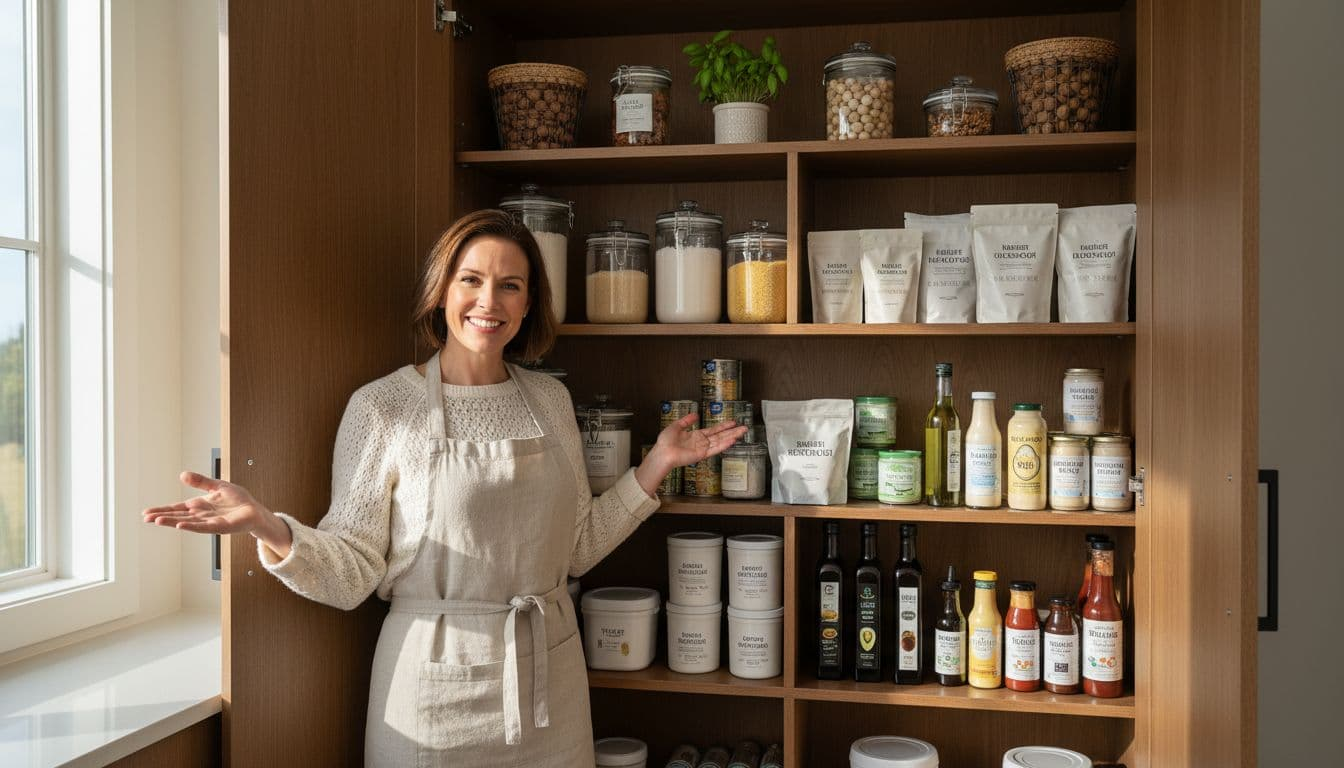
A low-carb pantry doesn’t need to be huge, it just needs to be useful. Think of it like a small toolbox stocked with low carb alternatives: a few “starter” items let you cook eggs, chicken, salads, skillet meals, and simple sauces without running to the store. To keep costs down, buy one new item per week, and pick ingredients that do more than one job (breading plus thickener, sweetener plus sauce helper, and so on).
For organization, group by purpose, not by brand: fats, acids, sweeteners, spices, proteins, and condiments. When you can see what you have, you waste less, and you cook more.
Low carb pantry starter list (buy this first)
Start with this tight list, it unlocks the most meals with the fewest buys:
- Monk fruit sweetener (granular or drops)
- Allulose (great for sauces and sweet coffee)
- Almond flour (one flour that works for breading and quick bakes)
- Chickpea flour (for specific recipes)
- Crushed pork rinds (breading for chicken, fish, casseroles)
- Olive oil (dressings, finishing, low-heat cooking)
- Avocado oil (higher-heat cooking)
- Apple cider vinegar (dressings, marinades, quick pickles)
- Rice vinegar (stir-fry sauces, slaws, sushi-style bowls)
- Yellow mustard (zero-sugar flavor boost for dressings and rubs)
- Sugar-free ketchup (or no-sugar-added, check label)
- Garlic powder
- Smoked paprika
- Ground cumin
- Canned tuna (protein you can turn into meals fast)
- Canned chicken (quick salads, soups, casseroles)
Budget tip: if a spice blend lists sugar, dextrose, or maltodextrin, skip it and build your own.
| Pantry category | What to stock (low carb, sugar free) |
|---|---|
| Fresh basics | Meats, fish, eggs, leafy greens, low-carb veggies, berries, cream cheese, heavy cream, sour cream, cheddar cheese |
| Dairy-free swaps | Unsweetened almond milk, unsweetened coconut milk |
| Healthy snacks | Beef meat sticks, canned tuna, canned salmon, canned sardines, canned smoked oysters, cheese crisps, hard-boiled eggs, jerky, salami, pepperoni, pork rinds, Epic meat bars |
| Cooking fats and oils | Avocado oil, coconut oil, extra-virgin olive oil, ghee, grass-fed butter, MCT oil, beef tallow |
| Nuts and seeds (portionable snacks) | Almonds, Brazil nuts, chia seeds, flax seeds, hazelnuts, hemp seeds, peanuts, pecans, macadamia nuts, walnuts, pili nuts, Nutzo, pumpkin seeds, sunflower seeds, cheese crisps, single-serve olives |
| Nut and seed butters (unsweetened) | Coconut butter, peanut butter, almond butter, macadamia nut butter, sunflower seed butter, tahini |
| Low-carb flours and baking staples | Almond flour, unsweetened shredded coconut, coconut flour, cacao butter, chia seeds, collagen powder, ground flaxseed, sesame flour, pork rind breadcrumbs, unsweetened cocoa powder, baking powder, baking soda, bone broth, cream of tartar, unflavored beef gelatin powder, xanthan gum |
| Extracts and flavor add-ins | Apple extract, almond extract, caramel extract, lemon extract, maple extract, vanilla extract |
| Sweeteners and low-sugar treats | Vanilla stevia, clear stevia, Swerve brown sugar, Swerve confectioners, Swerve granular, monk fruit sweetener, sugar-free chocolate chips, 85% dark chocolate |
| Protein powders | Whey protein powder, egg white protein powder, strawberry whey protein powder, vanilla egg white protein powder, vanilla whey protein powder |
| Condiments | Avocado oil mayonnaise, BBQ sauce, Italian salad dressing, ranch dressing, no-sugar-added ketchup, mustard, Lakanto maple syrup, no-sugar-added tomato sauce, coconut aminos, apple cider vinegar, red wine vinegar, balsamic vinegar, lemon juice, lime juice |
| Seasonings and spices | Italian seasoning, dried basil, garlic powder, dried parsley, dried oregano, cayenne powder, chili powder, cumin, onion powder, ground ginger, ground cinnamon, sea salt, black pepper |
Steps to convert your cooking to low carb and sugar free, one week at a time
Trying to swap everything in one shopping trip gets expensive fast. A weekly plan keeps it simple, and your pantry grows without stressing your budget.
- Week 1, replace breakfast first: Eggs, omelets, Greek yogurt (unsweetened), or chia pudding. Keep bacon, sausage, or tuna on hand for “no-thinking” protein.
- Week 2, swap drinks and sweeteners: Replace soda and sweet coffee drinks. Use monk fruit drops or allulose in coffee and tea. Track how often cravings hit after lunch.
- Week 3, replace starch sides: Trade rice, pasta, and potatoes for cauliflower rice, roasted radishes, zucchini noodles, or bagged salad kits.
- Week 4, fix sauces and condiments: This is where hidden sugar lives. Choose mustard, mayo, hot sauce, vinegar, and no-sugar-added tomato products.
- Week 5, tackle baking last: Buy one flour (almond) and one sweetener that works for you, then build from there.
Craving tracker tip: write down time, mood, what you ate, and your carbohydrate intake. Patterns show up fast. Keep a default meal ready, simple protein plus a veggie (like chicken plus broccoli with butter and vinegar). For more swap ideas and pantry-friendly recipes, KetoSugarFree.com is a helpful bookmark.
Questions and answers: swapping high carb foods for low carb ingredients
Swaps get easier when you treat them like problem-solving, not perfection. You’re not trying to “recreate” every high-carb food exactly, you’re trying to get the same job done (thicken, bind, crunch, fill a bowl, or add sweetness) with ingredients that fit your carb target. Here are the most common swap questions, with straight answers you can use right away.
How do I replace rice without ending up with watery “cauli mush”?
The rice swap fails for one reason: water. Real rice is dry and fluffy, so your swap has to be dry too.
Do this and you’ll fix most texture issues:
- Cook it first, then dry it out: Sauté in a wide pan over medium-high heat until steam stops.
- Don’t crowd the pan: Too much at once traps moisture.
- Salt at the end: Salt pulls water out, so wait until it’s close to done.
Quick best-use guide (so it feels like the meal you want):
- Stir-fry and fried rice: cauliflower rice (dry sauté first)
- Cheesy casseroles: broccoli rice (stronger flavor holds up)
- “Real rice” vibe: riced celeriac (firmer, more bite)
If you want recipes that use these swaps well (and don’t pretend cauliflower is identical to jasmine rice), KetoSugarFree.com has practical low-carb bowl and casserole ideas.
What’s the best low-carb substitute for flour in breading?
Think of breading as three parts: stick, crunch, and browning. You can mix and match these low carb alternatives depending on what you’re cooking.
Here are reliable combinations:
- Crispy chicken tenders: crushed pork rinds + Parmesan
- Fish fillets: almond flour + spices (lighter crust)
- Oven “fried” chops: pork rinds (more crunch, very savory)
- Meatballs and meatloaf binder: almond flour or flax meal (better hold)
A quick rule that saves frustration: nut flours brown fast, and cheese browns even faster. Lower the heat a bit, and pull it when it looks “done”, not when it looks like wheat breading.
How do I thicken soups and sauces without cornstarch?
Cornstarch is a thickener, but it also adds carbs fast. Low-carb thickening is about small amounts and good timing, similar to handling vegetable noodles.
The simplest options, in order of ease:
- Reduce it: simmer longer to cook off water (best flavor, takes patience)
- Xanthan gum: use a tiny pinch, whisk hard, wait 1 minute
- Cream cheese: adds thickness plus richness (great for soups)
- Heavy cream: thickens lightly, especially after simmering
- Psyllium husk powder: works, but can get gummy if you use too much
To keep it simple, remember this: add thickeners slowly, and stop sooner than you think. You can always add more, but you can’t un-gel a sauce.
What can I use instead of pasta that won’t fall apart?
Pasta swaps work best when you match the noodle to the sauce. Some “noodles” are better with creamy sauces, others handle marinara better.
Use this quick match-up:
- Zucchini noodles: best with Alfredo, pesto, and garlic butter (light sauces); use a spiralizer for perfect zucchini noodles
- Shirataki noodles: best in stir-fry, ramen-style bowls, and saucy dishes (rinse and dry sauté first)
- Cabbage ribbons: best with meaty sauces (it stays sturdy)
- Spaghetti squash: best with rich, chunky sauces (portion matters); spaghetti squash holds up well under heavy tomato sauce
If your noodles turn watery, it’s usually because they released moisture into the sauce. Cook them separately, then toss with sauce at the end.
How do I replace potatoes in soups, stews, and mash?
Potatoes do two jobs: they bulk up the bowl and they thicken. A good swap does one or both.
Here’s the quick shortlist:
- Mash: cauliflower (add butter, salt, and something sharp like sour cream)
- Roasts and “home fries”: rutabaga (browns well, hearty bite)
- Stews: turnips or radishes (they soften like potatoes)
- Creamy soups: celeriac or kohlrabi (more “starchy” feel than cauliflower)
If you only remember one thing, make it this: vegetables need more seasoning than potatoes. Don’t be shy with salt, pepper, garlic, and fat.
What’s the easiest bread swap for sandwiches that doesn’t taste “diet-y”?
It depends on what you want from the sandwich: structure, chew, or just something to hold fillings. Lettuce wraps offer the fastest option.
Low-carb options that feel like real food:
- Lettuce wraps: fastest, freshest, great for deli-style sandwiches
- Cloud bread: light and pillowy for simpler stacks
- Egg-based wraps: sturdy and flexible, good for hot fillings
- Chaffles (cheese waffle buns): best for burgers and breakfast sandwiches; try portobello mushroom caps as a burger bun swap
- Cauliflower pizza crust: slice it for handheld sandwiches
- Low-carb tortillas: convenient, but label-check for starches and impact on you
If you’re watching blood sugar, test the tortillas you buy. Some people do fine with them, others don’t. KetoSugarFree.com often shares bread and wrap ideas that avoid the usual “hidden carb” traps.
How do I swap sugar in sauces without weird aftertaste?
Most sauces don’t need a lot of sweetener, they need balance. Use sweetener like salt, a little goes a long way.
A simple approach:
- For BBQ and ketchup-style sauces: allulose often tastes closest
- For quick pan sauces: a small pinch of monk fruit blend is usually enough
- For acidic sauces (tomato, vinegar): sweeten lightly, then add salt
Also watch your label habits. “Sugar-free” sauces can still sneak in fillers like dextrose or maltodextrin.
What are the top high-carb foods I should swap first?
If you want the biggest results with the least effort, start with the carbs that hit most often and hide the easiest.
Here’s the quick priority list:
- Sweet drinks and coffee add-ins (they add up fast)
- Sauces and condiments (ketchup, BBQ, teriyaki, “sweet” dressings)
- Rice, pasta, and potatoes (big portions, big totals)
- Flour-based breading (easy swap with pork rinds, almond flour, Parmesan)
- Breakfast cereal and granola (switch to seeds, nuts, and yogurt)
If you want swap-friendly recipe collections (especially comfort food, casseroles, and holiday sides), KetoSugarFree.com is a solid place to pull ideas that actually fit real life.
Enjoy!
Low-carb eating gets easier when you stop chasing “perfect replacements” and start swapping the basics you use every day. The biggest wins come from a few simple moves that keep meals familiar, while cutting the carbs that add up fast.
- Swap sweeteners with purpose (allulose for sauces, monk fruit blends for everyday sweetness), and watch labels for dextrose, maltodextrin, and maltitol.
- Replace starch bases with veggie and pantry options, like cauliflower rice, celeriac, rutabaga, almond flour, flax meal, Parmesan, or crushed pork rinds.
- Upgrade condiments, stick with no-sugar-added tomato products, and make quick dressings and sauces so hidden sugar doesn’t sneak back in.
- Stock a small low-carb pantry (sweetener, one flour, vinegar, oils, spices, a few go-to condiments) and you’ll cook faster all week.
Pick two to three low carb swaps to start this week, like sugar, rice, and ketchup, then build from there with low carb alternatives.
If you want more sugar-free, low-carb pantry staples, recipes, and meal ideas, head to KetoSugarFree.com and keep your next grocery run simple.

Recipes Made Simple: High Protein, Low-Carb, Sugar-Free, Filling, II
Recipes Made Simple: High Protein, Low Carb, Sugar Free & Filling
Recipes Made Simple: High Protein Gut-Friendly GLP-1
The Best Plan when Taking GLP-1 Injections (Simple Guide) 2026
Recipes Made Simple: High-Protein After Gastric Sleeve (Part IV)
Recipes Made Simple: High-Protein After Gastric Sleeve (Part III)
Recipes Made Simple: High-Protein After Gastric Sleeve (2026) (Part II)
Recipes Made Simple: High-Protein After Gastric Sleeve (2026)
Diet Made Simple: High-Protein After Gastric Sleeve (2026)