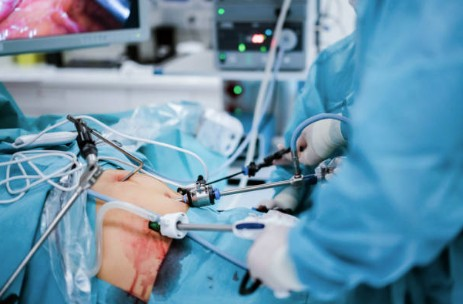
If you’re getting ready for ‘weight-loss’, bariatric surgery, the bariatric pre-surgery diet can feel like the hardest part. It’s not a “last-minute weight-loss plan”, it’s a short-term medical diet that helps your surgeon operate more safely. The big goal is a smaller, softer liver (less fat stored in it), which can mean an easier surgery, fewer risks, and a smoother start to healing.
Diet requirements can change based on the procedure (gastric sleeve, gastric bypass, duodenal switch, gastric band, or a revision). They can also change based on your BMI, diabetes control, sleep apnea, fatty liver, and what your surgeon sees as safest. That’s why two people can have very different pre-op plans, even at the same clinic.
Pre-Op plan (common pieces)
- High-protein, low-sugar meals (often built around shakes or lean protein)
- Lower carbs and smaller portions to shrink the liver
- No alcohol, and usually no sugary drinks
- Hydration goals, plus approved vitamins if your team says so
- A clear plan for the last day or two (your clinic will spell this out)
Post-Op plan (common stages)
- Clear liquids
- Full liquids, protein-forward
- Purees and soft foods
- Regular bariatric portions with protein first
| Surgery type | Pre-op diet goal | Why it matters |
|---|---|---|
| Sleeve, bypass, DS, band, revisions | Protein-first, low-sugar, liver shrink | Safer surgery, better healing |
Always follow your own clinic’s instructions. This guide helps you understand the “why” and prep on a budget without guesswork.
Why bariatric surgeons require a pre op diet (and what it does for your liver)
Most people think the bariatric pre-op diet is about “proving you can do it.” It’s not. It’s a short, medical diet that helps your surgeon get to your stomach safely, with less pulling, less bleeding, and fewer surprises.
The big target is your liver. When you carry extra weight, the liver often stores extra fat and swells (fatty liver is common). Since your liver sits right over your stomach, a large, firm liver can block the view and make surgery harder. A pre-op diet helps your liver get smaller and softer so your surgeon has room to work.
Here’s the simple “why” in one glance:
| What changes before surgery | What it does in the OR | Why you care |
|---|---|---|
| Less liver fat (liver shrink) | Easier access to the stomach | Lower risk, smoother operation |
| Lower sugar and refined carbs | Less liver glycogen and water | Liver often becomes less bulky |
| Protein-first eating | Better tissue support | Helps healing after surgery |
If you like checklists, here’s the basic flow most programs use:
- Pre-Op plan (high level): Protein-first, low-sugar, lower fat, smaller portions, lots of fluids (your clinic’s exact plan varies).
- Post-Op plan (high level): Clear liquids, then full liquids, then purees, then soft foods, then regular bariatric portions (protein first).
How the pre op diet makes surgery safer and recovery smoother
Think of your liver like a heavy blanket draped over the top of your stomach. During bariatric surgery, your surgeon needs to lift that “blanket” to see and reach the stomach. When the liver is enlarged and fatty, it can tear more easily and it takes more force to move it out of the way. A pre-op diet helps reduce liver fat so the liver becomes smaller and more flexible, which usually means better visibility and easier access to the stomach.
That easier access can lead to real, practical benefits:
- Fewer complications: Less pulling on tissues can mean less bleeding risk and less chance of accidental injury.
- Shorter surgery time: Better visibility often helps the surgeon work more efficiently.
- Lower anesthesia time: A faster operation usually means less time under anesthesia, which is helpful for your heart and lungs.
- Smoother early recovery: When surgery is less difficult, you often see less swelling and less irritation inside.
Protein matters here more than people realize. Many pre-op plans push protein shakes and lean protein because protein supports healing. Your body uses it to repair tissue after surgery, support your immune system, and maintain more lean mass while calories are low. You’re not trying to “eat perfectly,” you’re trying to show up to surgery in the best shape possible for healing.
Common non negotiables most programs share
Every clinic has its own rules, but the same basics show up again and again. Following them is one of the easiest ways to avoid a last-minute cancellation.
Here are the common non negotiables you’ll see across many bariatric pre-op diets:
- No soda (regular or diet): Carbonation can cause bloating and discomfort, and many programs want it gone before surgery.
- No alcohol: It stresses the liver and adds liquid calories with no nutrition.
- No sugary drinks: This includes juice, sweet tea, sports drinks, and fancy coffee drinks.
- Avoid high-fat and fried foods: These can slow liver shrink and make reflux worse for some people.
- Avoid candy and desserts: Sugar spikes can make hunger swings harder and slow progress.
- Measure portions: Use measuring cups, a food scale, or pre-portioned options so you don’t guess.
- Stop nicotine if required: Many programs require a nicotine-free window because nicotine can hurt blood flow and raise ulcer and wound risks.
- Follow food safety rules: Don’t risk food poisoning right before surgery. Stick to fresh dates, safe temps, and clean prep.
If you’re trying to do this on a budget, keep it simple. Think “boring but effective” for a couple weeks: protein, planned portions, and drinks with zero sugar.
When your plan may change (BMI, diabetes meds, sleep apnea, blood thinners)
Some people get a 7-day pre-op diet. Others get 2 to 4 weeks (or more). A common reason is higher BMI, which often means the surgeon wants more time for liver shrink. Your team may also extend the diet if you have known fatty liver, a larger liver on imaging, or a history that suggests a tougher surgical view.
Medical conditions can change the plan too. If you have diabetes, high blood pressure, or take blood thinners, your “normal” routine may not be safe during a low-calorie pre-op phase. Medication changes should always come from the prescriber who manages them, not from guesswork.
Common examples where you need clear, written guidance:
- Insulin and other diabetes meds: Doses may need quick changes when carbs drop.
- GLP-1 medications (like semaglutide or tirzepatide): Some surgeons have timing rules before anesthesia, and you need specific instructions.
- Blood pressure meds and diuretics: Lower calories and more fluid changes can affect blood pressure and dizziness.
- Blood thinners: Timing around surgery matters, and the plan should be spelled out.
- Sleep apnea: Your team may want strict CPAP use and may adjust pre-op instructions to lower anesthesia risk.
Ask for your instructions in writing and keep them where you can see them. When you’re tired and hungry, a clear one-page plan beats trying to remember details from a phone call.
Pre surgery diet basics that show up in most bariatric programs
Most bariatric programs use the same building blocks before surgery, even if the exact days and details vary. The goal is simple: shrink and soften the liver, keep blood sugar steadier, and help you show up hydrated and ready.
Here’s the “big picture” structure you’ll see in many clinics:
- Pre-Op plan (common): Protein-forward, very low sugar, low fat, no alcohol, no carbonation, hydration targets, and a defined liquid phase (often closer to surgery).
- Post-Op plan (common): Clear liquids, then full liquids with protein, then purees, then soft foods, then small regular meals with protein first.
Always follow your surgeon’s written plan first, but these basics will help you shop and plan with fewer surprises.
Liquid diet basics: what counts, what does not
On a pre-op liquid diet, “liquid” doesn’t mean anything you can drink. It usually means approved low-sugar liquids, with protein shakes doing the heavy lifting. Think of it like packing a suitcase with only essentials; your body gets what it needs, without the extras that slow liver shrink.
Common liquids that usually count (if your plan allows them):
- High-protein shakes (ready-to-drink or mixed from powder)
- Broth (chicken, beef, bone broth, or bouillon, watch sodium if you’re sensitive)
- Sugar-free gelatin
- Sugar-free popsicles
- Water
- Flavored water with no sugar (check the label)
- Decaf coffee or tea (some clinics allow it, some don’t)
What usually does not count because of sugar, calories, carbonation, or how it digests:
- Juice (even “100% juice”)
- Sweet tea
- Regular sports drinks
- Alcohol
- Smoothies with fruit (and many “green smoothies,” even if they seem healthy)
- Anything with sugar (including “natural” sugars in honey or syrups if your plan says no)
- Carbonated drinks (regular or diet)
A quick cheat sheet can help when you’re standing in the kitchen and second-guessing.
| Usually counts (typical bariatric plans) | Usually doesn’t count |
|---|---|
| Protein shakes | Juice and sweetened drinks |
| Broth | Sweet tea, regular sports drinks |
| Water, sugar-free flavored water | Alcohol |
| Sugar-free gelatin, sugar-free popsicles | Fruit smoothies, fruit-blended drinks |
| Decaf coffee or tea (if allowed) | Carbonation and sugary beverages |
If you’re unsure about one item, read the label and ask: Does this add sugar, carbonation, or extra calories that don’t help protein? If yes, it probably doesn’t fit.
Protein requirements: how many shakes per day and what to look for on labels
Many bariatric programs land in the range of 4 to 6 protein shakes per day during the strict liquid phase. That sounds like a lot because it is. You’re using shakes like bricks to build a stable “protein wall” while calories stay low.
A simple way to make it feel less overwhelming is to set a schedule and repeat it daily. For example, you might do a shake every 2.5 to 3 hours while awake, plus water between.
When you’re buying shakes, labels can feel like a math test. Keep it basic and look for these common targets (your clinic may give exact numbers):
- Higher protein per serving: More protein helps you feel steadier and supports healing.
- Low sugar: Aim for very low sugar (often 0 to 5 grams, depending on your plan).
- Low fat: Many plans keep fat low during the liver-shrink phase.
- No added honey, syrups, or fruit blends if your plan is strict about carbs.
- Lactose-free options if dairy bothers you (many brands offer lactose-free or “protein water” styles, and some powders mix well with water).
Here’s a fast label checklist you can screenshot:
- Protein first: Highest number on the label that matters most.
- Sugar stays low: If sugar climbs, hunger and cravings often follow.
- Ingredients stay simple: Skip “dessert” shakes with lots of add-ins.
- Texture matters: If a shake makes you gag by day three, switch brands or flavors early.
If you need budget-friendly structure, keep your shake choices limited. Two flavors you can tolerate beats a dozen you never finish.
Hydration requirements: hitting 64 oz without feeling miserable
A common hydration target is 64 ounces a day, sometimes more depending on your clinic. On a liquid-heavy plan, it can sound easy, but many people struggle because they drink too fast, get nauseated, or simply forget.
The trick is to sip like it’s your job, not chug like you’re finishing a race. Small sips add up.
Practical ways to make 64 oz feel doable:
- Use time blocks: Morning, midday, afternoon, evening. Aim for steady progress instead of catching up late.
- Alternate protein and water: Many people do better when they separate them instead of stacking shakes back-to-back.
- Try different temperatures: Some people tolerate ice-cold water, others do better with room temp or warm.
- Change the flavor (without sugar): Sugar-free flavor drops or approved flavored water can reduce taste fatigue.
- Pick one bottle and “refill math”: A 32-oz bottle refilled twice is your 64 oz.
Watch for signs you’re getting behind on fluids:
- Dark urine or very small amounts
- Dry mouth, cracked lips
- Headache that improves with fluids
- Dizziness when standing
- Feeling weak or “off”
Call your bariatric team if you can’t keep fluids down, you’re vomiting, you feel faint, or you go many hours without urinating. Dehydration can sneak up fast during liquid weeks, and getting help early is easier than trying to fix it at home.
Fiber and constipation prevention during liquid weeks
Constipation is common on pre-op liquids. It’s not a personal failure, it’s a predictable math problem: less food in, less bulk out. Add in reduced fiber, lower overall volume, and sometimes iron supplements, and your gut can slow down.
Most programs suggest a few basics first:
- Fluids: If you’re behind on hydration, constipation often gets worse.
- Walking: Even short daily walks can help stimulate bowel movement.
- Sugar-free fiber supplements: Many clinics allow them during liquid phases (your team will tell you what’s okay).
A simple routine many people tolerate looks like this:
- Hit your fluid goal earlier in the day, not all at night.
- Add gentle movement (even 10 to 15 minutes).
- Use an approved fiber supplement if your plan allows it.
If you’re thinking about a stool softener or laxative, get the green light from your bariatric team first. Some products are fine for many patients, but your clinic may have timing rules before anesthesia, and they may want you to avoid certain ingredients.
Pre surgery diet requirements by procedure: sleeve vs bypass vs duodenal switch vs band vs revisions
Most bariatric programs share the same core goal before surgery: shrink the liver and steady blood sugar so your surgeon has a safer, clearer working space. The difference is how strict your plan gets, how long it lasts, and how closely your team watches meds and nutrition.
Here’s a quick comparison to set expectations. Your clinic’s written plan always wins, but this helps you understand why your friend’s plan looks nothing like yours.
| Procedure | Common pre-op pattern | Why it may differ |
|---|---|---|
| Gastric sleeve | Often 1 to 2 weeks, usually tighter closer to surgery | Liver shrink and easier access to the stomach |
| Gastric bypass (Roux-en-Y) | Often stricter, sometimes longer, more med planning | More complex surgery, strong focus on steady glucose |
| Duodenal switch / SADI-S | Protein habits start early, sometimes longer prep | Higher long-term protein needs and nutrition follow-up |
| Lap band | Can be shorter, still liver-shrink focused | Often less complex, but liver size still matters |
| Revisions | Highly customized, sometimes staged | Prior anatomy, scar tissue, reflux, and nutrition status |
Pre-Op plan (common structure)
- Protein-first meals or shakes, very low sugar
- Lower carbs (and often lower fat) to shrink the liver
- Strict hydration with approved low-calorie fluids
- Clear rules for the last 24 to 48 hours (often mostly liquids)
- Medication adjustments as directed (especially diabetes meds)
Post-Op plan (common structure)
- Clear liquids
- Full liquids with protein
- Purees and soft foods
- Small regular meals, protein first
Gastric sleeve pre op diet: common timeline and typical food list
Many gastric sleeve pre-op diets start with lean protein and non-starchy veggies, then move toward mostly liquids as surgery gets closer. Think of it like clearing a cluttered workspace before a big project. Less bulk and less sugar usually means a smaller, softer liver.
A common sleeve timeline looks like this (your dates may be shorter or longer):
- Week 2 to 1 (food plus shakes): Protein-forward meals, low sugar, low starch.
- Last 3 to 7 days (mostly liquids for many clinics): Protein shakes and approved clear or low-calorie fluids.
- Last 24 hours: Your team may require clear liquids only, then nothing by mouth after a cutoff time.
If your plan includes solid foods early on, these are common examples clinics allow (prepared grilled, boiled, or steamed when needed):
- Protein shakes
- Lean meat (grilled, boiled, or steamed)
- Veggies
- Plain Greek yogurt
- Low-fat cottage cheese
- Sugar-free pudding
- Sugar-free popsicles
- Sugar-free drinks
- Sugar-free gelatin
- Water
- Broth
- Decaf coffee or tea
A simple sleeve day can be very “same-y,” and that’s the point. Repeating meals reduces decision fatigue and makes it easier to stay consistent when hunger kicks up.
Pre-Op plan (sleeve, typical)
- 3 to 5 protein-focused “feedings” daily (often shakes plus one lean meal early on)
- Non-starchy veggies as allowed
- Only sugar-free drinks, plus water and broth
- Mostly liquids closer to surgery (common)
Post-Op plan (sleeve, typical)
- Clear liquids, then full liquids with protein
- Purees, then soft foods
- Regular bariatric portions with protein first
Gastric bypass (Roux en Y) pre op diet: why some plans are stricter
Gastric bypass is a more complex operation. Your surgeon creates a small pouch and reroutes part of the small intestine. Because of that, many teams want you to go into surgery with very steady blood sugar and a smaller liver.
That’s why bypass pre-op diets often feel stricter. Many plans lean hard into:
- Low sugar: To reduce glucose spikes and help appetite control.
- Low carb: Often tighter than sleeve plans, especially for patients with diabetes.
- Liquid or near-liquid: Shakes, broth, sugar-free gelatin, and approved drinks.
- Careful diabetes medication planning: Carbs drop fast on a liquid plan, so insulin and other meds may need changes right away (only adjust with your prescriber).
If you have type 2 diabetes, it helps to track patterns. A short log for a few days (glucose readings, shakes, timing, symptoms) can make your check-in faster and safer.
Pre-Op plan (bypass, typical)
- Mostly liquids or very soft, low-carb foods
- Strict “no sugar” rules (including drinks)
- Frequent glucose checks if you have diabetes
- Medication plan spelled out before you start
Post-Op plan (bypass, typical)
- Clear liquids, then full liquids with protein
- Slow progression to purees and soft foods
- Long-term focus on protein first and vitamin routine (per clinic)
Duodenal switch and SADI-S pre op diet: higher protein focus and longer prep in some cases
Duodenal switch (DS) and SADI-S are powerful procedures that change both stomach size and how food is absorbed. Long term, patients usually need higher protein intake and consistent follow-up to stay on track with nutrition.
Because of that, some clinics start the “protein-first” habit early, even before surgery. It’s not just about the liver, it’s also practice for life after surgery when protein has to come first at every meal.
You may see a longer pre-op diet in some cases, especially with a higher BMI or known fatty liver. The goal is still the same (liver shrink and safer surgery), but the runway can be longer.
A DS or SADI-S plan often emphasizes:
- More protein per day (usually with shakes doing much of the work)
- Lower carbs and low sugar to reduce liver size
- Dietitian follow-up to fine-tune protein, fluids, and tolerance
Pre-Op plan (DS/SADI-S, typical)
- Protein shakes plus very lean, measured meals if allowed
- Tight limits on sugar and starches
- Longer prep time for some patients, based on BMI and liver size
- Scheduled dietitian check-ins (common)
Post-Op plan (DS/SADI-S, typical)
- Clear liquids, then full liquids with protein
- Very strong protein priority as textures advance
- Ongoing nutrition monitoring as directed by your team
Lap band and revision surgeries: what may be different (and why your surgeon may customize)
Lap band surgery is less common now, but pre-op diet rules can look familiar. Many band patients still need liver shrinking, because the liver still sits over the stomach and can block access during surgery. The main difference is that some programs use a shorter pre-op window compared to other procedures, based on surgeon preference and your health history.
Revisions are the wild card. A revision can mean converting a band to a sleeve or bypass, revising a sleeve to bypass for reflux, or correcting a prior issue. Because you’re not starting from a “blank slate,” surgeons often customize your diet for safety.
Common reasons revision pre-op plans are individualized:
- Scar tissue and prior anatomy can make the operation more complex.
- Reflux symptoms may change what you can tolerate and what your surgeon wants before surgery.
- Prior weight loss or regain can affect how strict the plan needs to be.
- Nutrition status matters, some patients start out low on protein, iron, or vitamins and need a plan that supports them.
Pre-Op plan (band, typical)
- Liver-shrink diet, sometimes shorter
- Protein-forward meals and/or shakes
- Low sugar drinks, hydration focus
Pre-Op plan (revisions, typical)
- A customized timeline (often stricter if the case is complex)
- Protein-forward plan that matches your current labs and tolerance
- Clear instructions for reflux meds, diabetes meds, and blood thinners if applicable
Post-Op plan (band and revisions, typical)
- Usually follows the standard bariatric stages (clear liquids to full liquids to soft foods)
- May move slower if your surgeon wants extra caution after revision work
How long is the pre op diet? Example weekly checklist by BMI (real world sleeve style plan)
Pre-op diet length often lines up with BMI and liver size. Higher BMI usually means more time to shrink and soften the liver, which helps your surgeon see and work safely. The plan below is a sleeve-style, real life way to structure those weeks using the foods many clinics allow.
Use this as a practical template, then match it to your clinic’s written rules (brands, portions, veggie rules, and “clear liquids only” cutoffs can vary).
| If your BMI is… | A common pre-op timeline | What the plan usually feels like |
|---|---|---|
| 75 or more | 4 weeks | Shakes plus one lean meal and veggies early on, very consistent routine |
| 64 to 74 | 3 weeks | Same structure, less wiggle room, consistency matters more than motivation |
| 34 to 63 | 2 weeks | Tighter menu, measured lean meat, often fewer veggies and fewer solid meals |
| 33 or less | 1 week | Mostly liquids, focus on hydration, protein, and keeping it simple |
4 weeks before surgery (BMI 75 or more): sample checklist and daily rhythm
At 4 weeks out, the win is a repeatable day that you can run on autopilot. Think of it like laying train tracks, once the track is down, the train (your routine) can move even when you’re tired.
Common allowed items (sleeve-style list):
- Protein shakes
- Lean meat (grilled, baked, boiled, or steamed)
- Veggies (non-starchy, prepared simply)
- Plain Greek yogurt
- Low-fat cottage cheese
- Sugar-free pudding
- Sugar-free gelatin
- Sugar-free popsicles
- Sugar-free drinks
- Water
- Broth
- Decaf coffee or tea (if allowed)
A simple daily rhythm that works for most people
- Morning: Protein shake, then water
- Mid-morning: Protein shake, then water or decaf drink
- Lunch: One lean meal (keep it simple and measured), plus one veggie serving (if your plan allows veggies)
- Mid-afternoon: Protein shake, then broth if hunger hits
- Evening: Greek yogurt or cottage cheese (or a shake if that’s easier)
- All day: Water and sugar-free drinks, sip steadily
If you do best with structure, aim for a shake every 2.5 to 3 hours while awake, then place your lean meal at the time you’re most likely to feel real hunger.
Weekly checklist (keep it practical)
- Pick 2 shake flavors you can tolerate daily (don’t overbuy a variety pack you’ll hate).
- Buy lean protein for the week (chicken breast, turkey, white fish), and cook it plain.
- Choose 1 to 2 easy veggies you don’t mind repeating (many people do best with simple cooked options).
- Set up a “grab shelf” in the fridge: shakes front and center, yogurts, cottage cheese, broth.
- Plan your fluids like errands: morning, midday, afternoon, evening. No catching up at night.
3 weeks before surgery (BMI 64 to 74): staying consistent when motivation dips
Week 3 is where a lot of people hit the mental wall. The diet isn’t “new” anymore, but surgery still feels far away. This is the week to rely on tracking and routine, not motivation.
Same allowed items (keep your menu narrow):
- Protein shakes
- Lean meat
- Veggies (if allowed)
- Plain Greek yogurt
- Low-fat cottage cheese
- Sugar-free pudding, gelatin, popsicles, and drinks
- Water, broth
- Decaf coffee or tea (if allowed)
Consistency tactics that actually help
- Track timing, not just food: Write down the time of each shake or meal. Hunger is easier when you can see, “I eat again at 2:30.”
- Repeat a 2-day menu: Day A, Day B, then repeat. Less thinking, fewer mistakes.
- Use broth as a hunger tool: Warm broth between shakes can quiet “mouth hunger” and add a salty change of pace.
- Don’t stack shakes back-to-back: Spread them out, then sip water in between.
Simple shopping list ideas (budget-friendly and realistic)
- A week’s worth of ready-to-drink shakes (or powder you already tolerate)
- Bulk-pack lean meat (cook once, portion out)
- Plain Greek yogurt and low-fat cottage cheese
- Broth or bouillon (check sodium if you’re sensitive)
- Sugar-free gelatin cups or pudding cups, and sugar-free popsicles
- Water, sugar-free flavored drinks if you use them
- Decaf coffee or tea if allowed
If cravings are loud, tighten your environment. Keep trigger foods out of sight, or out of the house. This is short-term, not forever.
2 weeks before surgery (BMI 34 to 63): tighter plan and what usually gets removed
Two weeks out is often when clinics get stricter. Many programs move toward more shakes and fewer solid foods. Some also reduce or stop vegetables and solid meals in the final stretch, depending on your clinic’s rules.
Common two-week allowed list (as many clinics write it):
- Protein shakes
- 4 oz lean meat (measured portion)
- Plain Greek yogurt
- Cottage cheese
- Sugar-free items (like sugar-free pudding, sugar-free gelatin, sugar-free drinks)
- Water
- Broth
- Decaf coffee or tea (if allowed)
What usually gets removed or reduced
- Veggies: Some programs reduce them or stop them close to surgery.
- Extra solid meals: Many people go from one lean meal daily to fewer solid meals, then to none.
- Anything with sugar: This is where “just a bite” tends to backfire fast.
A realistic daily structure for the tighter phase
- 3 to 5 protein feedings (mostly shakes)
- One measured solid option if allowed (example: 4 oz lean meat)
- Greek yogurt or cottage cheese as an easy protein backup
- Broth as needed for hunger and comfort
- Water and sugar-free drinks all day
Checklist for the 2-week mark
- Start measuring protein portions every time (a food scale removes guesswork).
- Clear your calendar for shopping and prep, running out of “allowed foods” is when people go off-plan.
- Keep a “rescue option” ready, broth, gelatin, or a sugar-free popsicle for rough moments.
1 week before surgery (BMI 33 or less): mostly liquids and the final countdown
The last week is usually the most liquid-heavy. It can feel repetitive, but it’s also the home stretch. Your job is to keep protein steady, sip fluids all day, and avoid last-minute surprises.
Common one-week allowed list:
- Protein shakes
- Yogurt (often plain Greek yogurt)
- Cottage cheese
- Sugar-free pudding
- Sugar-free gelatin
- Sugar-free popsicles
- Water
- Broth
- Decaf coffee or tea (if allowed)
Meal prep tips that make this week easier
- Stage your day the night before: Put the next day’s shakes in the fridge, set aside yogurt and cottage cheese, and stock broth where you’ll see it.
- Use a simple timer: If you forget to drink, set reminders to sip water between protein feedings.
- Keep “sick day” backups: Sugar-free gelatin and popsicles are helpful when you feel over it.
Flavor fatigue is real, fix it fast
- Rotate temperatures (ice-cold shake one time, room temp later).
- Switch between chocolate and vanilla, or between ready-to-drink and powder if you tolerate both.
- Use broth for a savory break (many people find it calming at night).
Electrolytes without sugar (only if your clinic allows it)
- Choose sugar-free electrolyte drinks or mixes.
- Broth can also help with sodium if you feel run down.
- If you have blood pressure or kidney issues, get clinic guidance before adding extra sodium.
Pre-Op and Post-Op Plans (quick list format)
Pre-Op plan (sleeve-style, common structure)
- Protein shakes as the base, spaced through the day
- Lean, measured protein if solid food is allowed (often reduced closer to surgery)
- Very low sugar, sugar-free drinks and desserts only if approved
- Water and broth sipped all day
- Decaf coffee or tea only if your clinic allows it
Post-Op plan (common stages after bariatric surgery)
- Clear liquids
- Full liquids with protein
- Purees
- Soft foods
- Regular bariatric portions (protein first)
Pre surgery diet (without breaking the rules)
The pre-surgery diet can feel strict, but shopping for it doesn’t have to be stressful or expensive. The easiest way to stay on track is to treat your pantry like a “yes shelf” and a “no shelf”, then only stock what fits your clinic’s rules. That cuts impulse buys and keeps you from wasting money on products you can’t use.
Pre-Op plan (common, quick list)
- Protein shakes as your base (per your clinic’s schedule)
- Very low sugar liquids and snacks (only what’s approved)
- Broth, sugar-free gelatin, sugar-free popsicles (common add-ons)
- Water and other approved, non-carbonated drinks
- Decaf drinks only if your clinic allows them
Post-Op plan (common, quick list)
- Clear liquids
- Full liquids with protein
- Purees
- Soft foods
- Small regular meals, protein first
How to pick a protein shake that still meets most clinic rules and one that you like
A protein shake that fits the label rules but tastes awful is going to fail on day three. Your goal is to find one that hits the clinic targets and still feels drinkable when you’re tired of sweet flavors.
Start with the label basics many clinics use:
- Protein: higher is usually better (many people aim for 20 to 30 grams per serving)
- Added sugar: keep it very low (your clinic may set a max)
- Carbs and fat: often kept lower during liver-shrink phases
- Calories: clinics often want a controlled range per shake
If you’re trying to stay frugal, compare cost per gram of protein. The sticker price lies, the protein math doesn’t.
| Option | Protein per serving | Servings per container | Total grams protein | Typical “real cost” to compare | Cost per gram protein (how to calculate) |
|---|---|---|---|---|---|
| Ready-to-drink (RTD) 4-pack | 30 g | 4 | 120 g | Pack price | price ÷ 120 |
| Powder tub | 25 g | 20 | 500 g | Tub price | price ÷ 500 |
| Single-serve powder packets | 20 g | 10 | 200 g | Box price | price ÷ 200 |
Powder vs ready-to-drink (RTD): what usually makes sense
- Powder: often cheaper per gram of protein, more flavor control, less trash, but you need a shaker bottle and it can clump if you rush.
- RTD: convenient, consistent texture, easy to grab when you’re busy, but usually costs more per gram.
Watch out for two common label traps:
- Sugar alcohols: these can cause gas, cramps, or bathroom emergencies for some people. If you see a long list ending in “-itol” (like sorbitol or maltitol), go slow and test it first.
- Added sugar: some “treat” flavors sneak in extra sugar. Even if it’s not candy-level, it can still break clinic rules.
Two moves make this easier:
- Ask your clinic for an approved shake list (brands and exact products). It saves you from guessing.
- Ask around for taste feedback. Friends who work out often drink protein shakes regularly, and they’ll tell you fast which ones taste like chalk and which ones actually go down easy.
Broth, gelatin, popsicles, and decaf drinks
These items don’t replace your protein, but they can make the days feel a lot more doable. Think of them as your “comfort tools” when you want something warm, savory, or just not another chocolate shake.
Broth shopping tips (simple and budget-friendly)
- Bouillon cubes or powder are usually the cheapest option per serving.
- Pick regular broth or bouillon if you need the salt to feel normal, but check with your clinic if you have blood pressure or kidney concerns.
- Skip broths with added sugar (it’s rare, but it happens in flavored or “sipping” broths).
Gelatin tips
- Store-brand sugar-free gelatin is often the best deal.
- Look for “sugar-free” on the front and confirm the nutrition label matches your plan.
- Portion it into small bowls so you don’t overeat it when you’re bored.
Popsicles (buy or make at home)
- Look for sugar-free popsicles that match your clinic rules.
- Making them at home can be cheaper and you control the ingredients. Use a popsicle mold or small paper cups.
Basic sugar-free pop idea (clinic rules vary, read labels first)
- Use an approved sugar-free drink mix with water.
- Freeze overnight.
- Keep portions small and treat it like a “break,” not a meal.
Decaf drinks
- Many clinics allow decaf coffee or decaf tea, but not all do.
- Keep it simple, no sugar, no fancy creamers, and no add-ins unless your plan says they’re allowed.
How to avoid buying the wrong products
A lot of pre-op diet stress comes from buying something that looks right, then realizing it doesn’t match clinic rules. The fix is a short checklist and a little patience before you stock up.
Here are the most common shopping mistakes:
- Buying shakes with too much sugar because the front label says “high protein.”
- Grabbing “meal replacement” drinks that come with higher carbs (many are made to replace a full meal, not fit a bariatric pre-op plan).
- “Improving” a shake by blending in fruit, honey, peanut butter, or oats (it feels healthy, but it often breaks the plan fast).
- Buying big warehouse packs before confirming the exact product is allowed.
- Assuming “keto,” “low-carb,” or “diabetic-friendly” automatically means pre-op approved (it doesn’t).
A safer way to shop is to test first, then commit:
- Buy single bottles or a small 4-pack of ready-to-drink shakes.
- If you’re using powder, look for smaller tubs or single-serve packets (some vitamin shops carry trial sizes).
- Taste test for two days, then decide if you can handle it daily.
- Confirm with your clinic (or their approved list) before you buy in bulk.
Also, ask people what actually tastes good. Most people don’t struggle with protein math, they struggle with flavor fatigue. A shake you can tolerate is the one you’ll finish, and finishing is what gets you to surgery without last-minute problems.
Post Surgery Diet Requirements
After bariatric surgery, your diet isn’t about “eating healthy” in a general way. It’s a healing plan with rules that protect your new anatomy, prevent dehydration, and help you hit protein and vitamin needs while your stomach capacity is tiny.
Most programs move you through the same stages (clear liquids to regular textures), but the timing and exact “allowed” items vary by surgeon and by procedure. Your clinic’s handout is your primary source, this section helps you understand the requirements behind the rules so it’s easier to follow them.
Pre-Op plan (quick recap)
- Protein-first, low-sugar, low-fat meals (often shakes)
- Lower carbs to shrink the liver
- Hydration goals with approved drinks
- No alcohol, no carbonation
- Clear instructions for the last 24 to 48 hours
Post-Op plan (what this section covers)
- Stage 1: Clear liquids
- Stage 2: Full liquids (protein-forward)
- Stage 3: Purees
- Stage 4: Soft foods
- Stage 5: Regular bariatric portions (protein first, forever)
Post-op diet stages (what you eat and what you’re trying to prevent)
The stages exist for one reason: your staple line and connections need time to heal. If you push texture too fast, you risk vomiting, pain, dehydration, and in worst cases, complications.
Use this as a high-level map (your clinic’s timeline may be faster or slower):
| Stage | Typical texture | What you focus on | Common “don’t” |
|---|---|---|---|
| Clear liquids | Water-like | Hydration, tolerance | No sugar, no carbonation, no gulping |
| Full liquids | Creamy liquids | Add protein, keep sipping | No chunks, no thick “sludge” |
| Purees | Smooth, baby-food texture | Protein first, tiny portions | No dry meats, no bread, no rice |
| Soft foods | Fork-tender | Chew well, slow meals | No tough meats, no raw fibrous veg early |
| Regular bariatric meals | Small solids | Protein, vitamins, routine | No grazing, no liquid calories |
Protein requirements after surgery (the non-negotiable)
Protein is your “building material” while you heal. When intake is low, protein protects muscle and supports wound healing. It also helps you feel more steady between meals.
Most programs set a daily target range, then ramp you up as you tolerate more. Because targets vary by surgery (and by person), follow your clinic’s number. In real life, these rules help almost everyone:
- Protein comes first at meals. If you run out of room, protein still wins.
- Use shakes as a tool, not a crutch forever. Early on they’re often necessary.
- Go slow with new foods. One new item at a time makes reactions easier to spot.
A simple way to structure your day when you’re overwhelmed is to think in “protein blocks”:
- Morning protein
- Midday protein
- Afternoon protein
- Evening protein
Then fill the gaps with water and other approved fluids.
Fluids and dehydration prevention (why people end up back at the hospital)
The most common early problem after bariatric surgery is dehydration, not lack of willpower. Your stomach is swollen, you can’t chug, and nausea can make sipping feel like work.
These habits keep you safer:
- Sip all day. Small sips every few minutes beat big drinks a few times a day.
- Separate food and fluids if your clinic requires it (many do). Drinking with meals can cause discomfort and can push food through too fast.
- Watch urine color. Dark yellow usually means you’re behind.
Common dehydration red flags:
- Dizziness when standing
- Headache that improves with fluids
- Very dark urine or low output
- Dry mouth, weakness, rapid heartbeat
If you can’t keep fluids down, call your bariatric team early. Waiting a full day often makes it harder to fix.
Vitamin and mineral requirements (this is where long-term success lives)
Food volume is small after surgery, and some procedures reduce absorption. That’s why most patients need a long-term supplement routine, not just “a multivitamin sometimes.”
Your exact list depends on your surgery type (bypass and DS/SADI-S usually require more), your labs, and your clinic’s protocol. In general, your team may prescribe:
- A bariatric multivitamin
- Calcium (often calcium citrate)
- Vitamin D
- Vitamin B12
- Iron (often based on labs and risk factors)
Two practical tips that save a lot of frustration:
- Set a daily alarm. Missing vitamins is easy when your eating schedule is weird.
- Spread doses out. Some supplements compete for absorption, your clinic will tell you how to space them.
Meal rules that protect your stomach (small bites, slow pace, no “slider foods”)
Early post-op eating is less about recipes and more about technique. Think of your stomach like a healing ankle, you don’t run on it because you feel fine for five minutes.
Core rules most programs use:
- Small portions measured on purpose
- Tiny bites, chew until smooth
- Eat slowly (rushing often leads to pressure, pain, or vomiting)
- Stop at the first sign of “I’m full” (not “I’m stuffed”)
- Avoid grazing (it sneaks in calories without satisfaction)
One common trap is “slider foods,” foods that go down too easily but don’t keep you full (ice cream, chips, sugary drinks, many crackers). They can slow weight loss and cause blood sugar swings, even when your portions seem small.
Problem foods and common symptoms (what’s normal, what needs a call)
Some discomfort is common while your body adjusts. The goal is to spot patterns, then fix the cause.
Here are common issues and what often triggers them:
| Symptom | Common cause | What usually helps |
|---|---|---|
| Nausea | Drinking too fast, strong smells, dehydration | Slow sips, pause new foods, focus on fluids |
| Food “stuck” feeling | Bites too big, not enough chewing, dry food | Smaller bites, add moisture, slow down |
| Vomiting | Eating too fast, advancing texture too soon | Step back a stage, call clinic if it persists |
| Diarrhea | Sugar alcohols, high fat, lactose | Simplify foods, check labels, test lactose-free |
| Dumping (often bypass) | Sugar, high-fat foods | Avoid sugar, keep meals protein-forward |
Call your clinic fast if you have severe pain, fever, repeated vomiting, signs of dehydration, black or bloody stools, or you can’t meet fluid goals.
Budget-friendly ways to follow the post-op diet without wasting money
Post-op diets can get expensive if you buy everything marketed as “bariatric.” You don’t need fancy, you need tolerated and compliant.
Smart, frugal moves:
- Buy a few shake flavors you know you can tolerate, not a giant variety pack.
- Use store-brand sugar-free gelatin and popsicles (check labels).
- Choose simple proteins when you reach soft foods (eggs, canned tuna or chicken, plain Greek yogurt, cottage cheese if tolerated).
- Keep seasonings simple early on (salt, mild herbs), then add spice later as tolerated.
The best money saver is avoiding “panic shopping.” Keep a small stash of your approved basics so you don’t end up ordering pricey last-minute options when you feel tired or nauseated.
Questions
It’s normal to have “real life” questions while you’re focused on the pre-surgery diet. Costs, time off work, hospital stay, and insurance rules can affect your plan just as much as protein shakes do. This section answers the most common questions in plain language, so you can plan your schedule, budget, and next steps with fewer surprises.
Pre-Op plan (quick recap)
- Protein-first, low-sugar, lower-carb intake to shrink the liver
- No alcohol, usually no carbonation, and no sugary drinks
- Hydration targets with approved fluids
- A defined liquid phase close to surgery (often the strictest part)
- Medication timing and adjustments as instructed (especially diabetes meds)
Post-Op plan (quick recap)
- Clear liquids
- Full liquids with protein
- Purees
- Soft foods
- Regular bariatric portions (protein first, long term)
Will my insurance cover my bariatric surgery?
It depends on your plan, not just your medical need. Some insurance plans cover bariatric surgery broadly, others cover only certain procedures, and some exclude it completely (even if your doctor recommends it).
Start by looking for three things in your benefits:
- Coverage for bariatric surgery (or “weight-loss surgery”) and whether it’s excluded
- Which procedures are covered (sleeve, bypass, DS/SADI-S, band, revision)
- Network rules (you may need a “Center of Excellence” or an in-network surgeon)
Most insurers that do cover bariatric surgery also require a checklist before approval. Common requirements include:
- A BMI threshold and sometimes obesity-related conditions (like sleep apnea or type 2 diabetes)
- Documented weight history
- A nutrition program (often multiple visits)
- A psychological evaluation
- Lab work and medical clearances (cardiac, pulmonary, sleep study, etc., as needed)
A practical move that saves time is to ask your bariatric office for their insurance checklist, then call your insurer and confirm each item. Write down the rep’s name and the reference number for the call.
When does insurance pay for bariatric surgery?
Insurance typically pays after your surgeon’s office submits a prior authorization request and the insurer approves it. That approval is based on medical necessity and meeting the plan’s requirements.
Here’s how it usually flows:
- Benefit check: You confirm the surgery is covered under your plan.
- Requirements phase: You complete the dietitian visits, classes, clearances, and any required weight documentation.
- Submission: The clinic sends records, notes, and test results to the insurer.
- Prior authorization decision: Approved, denied, or “need more info.”
- Scheduling: Surgery date is confirmed once approval is in hand.
Common reasons approval gets delayed or denied:
- The plan has a bariatric exclusion
- A requirement is missing (one visit, one lab, one form)
- Documentation doesn’t match what the insurer asked for
- The procedure requested isn’t covered for your situation (this can come up with revisions)
If you get a denial, ask for the exact denial reason in writing. Many issues can be fixed with an appeal or a corrected packet, but you need the reason spelled out.
When can I return to work?
Your return-to-work timeline depends on three things: your procedure, your job, and how your recovery goes.
Most people plan around these basics:
- Desk job or remote work: often a shorter time off, as long as you can sip fluids, walk regularly, and manage fatigue.
- Physical job (lifting, bending, long shifts): often more time off because your abdomen needs time to heal and your energy can dip while intake is low.
- Revisions or complex cases: can mean a slower return because the surgery itself can be more involved.
A simple way to plan is to talk to your surgeon about restrictions, not just days off. Ask:
- How long until I can lift 10 pounds, 25 pounds, or 50 pounds?
- When can I drive safely?
- What’s the plan if I’m still struggling with fluids or nausea?
If you can, build in a small buffer. The first week back can feel like going to work with a low phone battery, you can do it, but you don’t have much extra power.
How long do I have to stay in the hospital?
Length of stay depends on procedure type, your health conditions, and your surgeon’s protocol. Many surgeries are done laparoscopically, which usually shortens recovery time, but you still need to meet discharge goals first.
Hospitals commonly want to see that you can:
- Sip and keep fluids down
- Walk safely
- Control pain and nausea with oral meds
- Urinate normally
- Show stable vitals
Here’s a quick, realistic overview of what many patients experience (your clinic may be different):
| Procedure | Hospital stay is often | What can extend it |
|---|---|---|
| Gastric sleeve | Same-day or 1 night | Nausea, dehydration risk, sleep apnea monitoring |
| Gastric bypass (Roux-en-Y) | 1 to 2 nights | Blood sugar issues, nausea, pain control |
| DS / SADI-S | 1 to 2 nights (sometimes longer) | More complex surgery, higher monitoring needs |
| Lap band | Often outpatient | Pain, nausea, rare complications |
| Revisions | Varies widely | Scar tissue, complexity, medical history |
If you’re trying to plan childcare or time off for a support person, use your surgeon’s “typical stay” plus an extra day for safety.
Is it cheaper to have surgery in Mexico?
For many people paying cash, surgery in Mexico can cost less upfront. The trade-off is that you take on more responsibility for planning, travel, and follow-up care.
Before you decide, it helps to compare the full cost, not just the surgical price. Consider:
- Travel costs (flights, hotel, time off work)
- What’s included (labs, imaging, anesthesia, hospital fees, medications)
- Follow-up plan once you’re home (who manages complications, dehydration, nausea, wound issues?)
- Access to urgent care if something doesn’t feel right
- Revision coverage (if you need one later)
A good gut-check question is: if you had a complication at home, would local providers treat you easily, or would you be stuck in the middle trying to coordinate care?
If you do explore medical travel, ask for specifics in writing. Get a clear list of what’s included and what’s not.
Is bariatric surgery safe?
Bariatric surgery is widely performed, and for many people the risks of staying at a high weight (diabetes complications, heart disease, sleep apnea) are also serious. Safety comes down to your health profile, the procedure chosen, and the quality of the surgical program.
Steps that tend to improve safety:
- Choose an experienced bariatric surgeon and program
- Follow the pre-op diet and pre-op instructions (they exist for a reason)
- Stop nicotine if required
- Bring your CPAP if you have sleep apnea
- Take hydration seriously after surgery, dehydration sends many people back to the hospital
No surgery is risk-free. Your surgeon is the right person to explain your specific risks based on your labs, history, and procedure choice.
Long term, what will my diet look like after bariatric surgery?
Long term, bariatric eating is simple, but it’s not casual. You’ll eat smaller portions, prioritize protein, and keep a steady routine so you don’t drift into grazing.
Most long-term bariatric diets share these habits:
- Protein first at meals
- Produce and fiber as tolerated (your team guides timing)
- Limited added sugar (it can trigger cravings, dumping, or stalls)
- Water as your main drink
- Vitamins and lab follow-ups as prescribed
A realistic “forever” structure often looks like:
- 3 small meals per day, sometimes with 1 planned snack
- Protein portions you measure by habit, not by guesswork
- Fewer liquid calories (sweet coffee drinks, juice, alcohol)
If you like a simple rule: eat like you’re fueling a smaller engine. High-quality fuel matters more because the tank is small.
Why do some people regain their weight after bariatric surgery?
Regain usually isn’t one big mistake. It’s small, repeated habits that add up, especially after the “honeymoon” period when hunger can slowly return.
Common causes include:
- Grazing (small bites all day that never feel like a meal)
- Liquid calories (alcohol, sweet coffee, sugary drinks, frequent smoothies)
- Low protein intake, which can increase hunger and reduce fullness
- Not keeping up with follow-up visits (small problems don’t get corrected early)
- Stress eating and old coping patterns returning
- Anatomy changes over time (your surgeon can evaluate this if regain is significant)
Regain is also more likely when food becomes unplanned again. A basic routine, even a boring one, often works better than “eating intuitively” early on.
What is the average cost for bariatric surgery?
Costs vary a lot based on location, hospital fees, surgeon fees, anesthesia, procedure type, and whether it’s insurance-covered or self-pay. Revisions also tend to be priced differently because they can be more complex.
Instead of chasing one “average” number, ask for an itemized estimate so you can compare apples to apples.
Use this checklist when you request pricing:
- Surgeon fee
- Hospital or surgery center fee
- Anesthesia
- Pre-op testing (labs, EKG, imaging, sleep study if needed)
- Nutrition visits and required classes
- Post-op follow-ups (how many are included?)
- Pathology fees (if applicable)
- Medications after surgery
- Vitamins and supplements (not always included)
If you’re insured, your most important number is your out-of-pocket max, plus what you’ve already spent this year.
How do I decide if I should have bariatric surgery or use GLP-1 injections? i.e. Ozempic
This choice is personal, and it’s not always either-or. Some people use GLP-1 meds before surgery to improve health, and some use them later if appetite comes back hard.
A clear way to compare is to look at commitment, cost, and what you want help with.
Here’s a simple comparison:
| Option | What it can do well | Common sticking points |
|---|---|---|
| GLP-1 medications | Reduce appetite, support weight loss, improve blood sugar | Ongoing cost, side effects, weight regain is common if stopped |
| Bariatric surgery | Strong, long-term tool for weight loss and metabolic health | Surgery risk, recovery time, lifelong eating and vitamin routine |
| Combination approach (doctor-guided) | Can help with pre-op risk reduction or post-op regain | Needs close medical follow-up and clear goals |
Questions to ask your doctor (and yourself):
- Do I have obesity-related health issues that need faster improvement?
- Can I afford GLP-1 meds long term if insurance changes?
- Am I ready for the lifestyle rules after surgery (protein, fluids, vitamins)?
- What does my bariatric team recommend for my medical history?
The best choice is the one you can stick with, safely, for years, not weeks.
Next Steps:
Pre-surgery diet requirements can look different for a sleeve, bypass, DS or SADI-S, band, or a revision. Some plans are longer, some are stricter, and meds can change the rules fast. Still, the goal stays the same: shrink and soften the liver, steady blood sugar, and show up hydrated so surgery is safer and smoother.
| Surgery | Pre-op diet often trends |
|---|---|
| Sleeve, band | Shorter plan for many people, tighter near the final week |
| Bypass | Often stricter, with more focus on glucose control |
| DS or SADI-S | Protein habits start early, sometimes a longer runway |
| Revisions | Most customized, based on anatomy and labs |
Pre-Op plan (what matters most)
- Protein-first feedings (often shakes) on a simple schedule
- Very low sugar, low carb, low fat as instructed
- Water and approved fluids all day (no alcohol, no carbonation)
- Written medication plan (diabetes meds, blood thinners, GLP-1s)
Post-Op plan (common stages)
- Clear liquids
- Full liquids with protein
- Purees
- Soft foods
- Small regular meals (protein first, long term)
The best way to save money and stress is clarity. Get your rules in writing, pick a repeatable daily routine, then shop only for approved basics.
Next steps checklist
- Confirm your surgery type and date
- Ask how many weeks your pre-op diet lasts
- Get the approved shake list (brands, exact products)
- Review meds with your prescriber before you start
- Shop, portion, and prep so you don’t run out mid-week