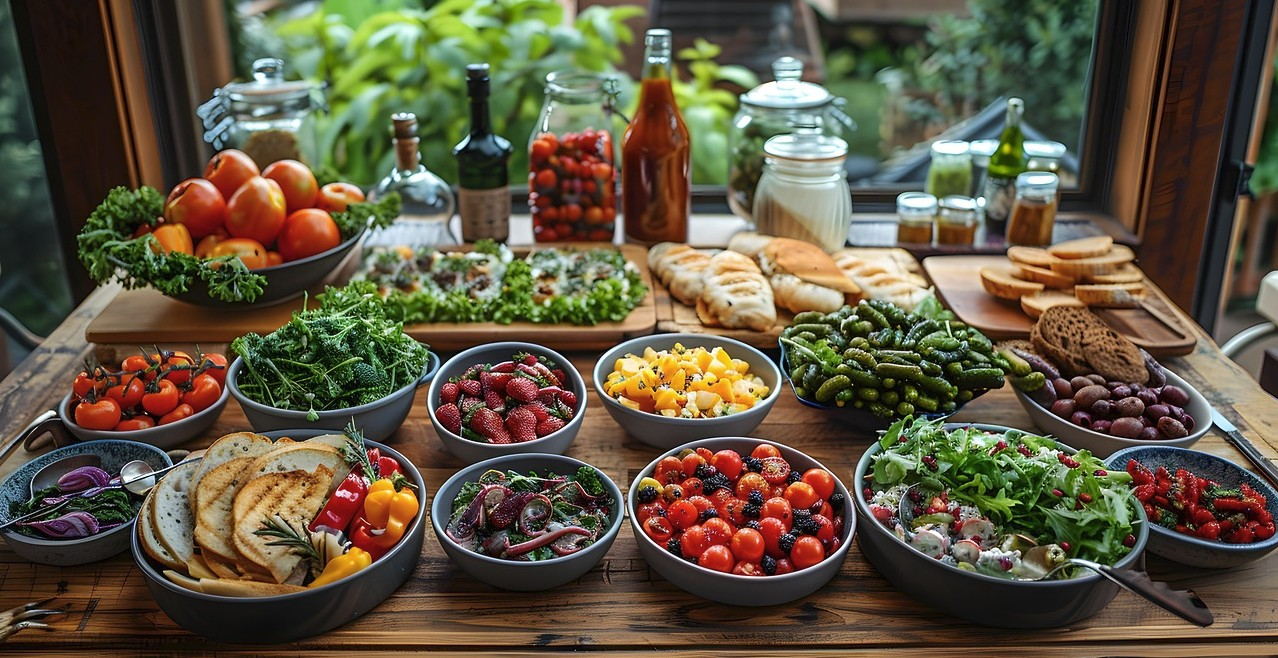
Starting GLP-1 injections can make eating feel new again by reducing appetite. You might not feel hungry, you may get full fast, and some days nausea, reflux, or constipation can show up.
So what should you eat when taking a GLP-1 (like Wegovy, Zepbound, Saxenda, Ozempic, or Mounjaro)? In most cases, you’ll do best with smaller portions built around protein, healthy fats, fiber, and fluids, plus simple foods that are gentle on your stomach. The goal is to keep muscle, feel steady, and lose weight in a safe, realistic way.
This isn’t medical advice, and your prescriber should guide your plan. That’s extra important if you have diabetes or you use insulin or sulfonylureas, since food changes can affect blood sugar.
In this guide, you’ll get practical food picks, easy portion cues, and tips for common side effects. If you prefer low carb, sugar free, or keto-friendly meals, you can also pull recipe ideas from KetoSugarFree.com and mix them into your week without overthinking it.
GLP-1 medications explained, options, and who usually qualifies
GLP-1 medications are prescription drugs that help with appetite, fullness, blood sugar control, and insulin resistance. They work by slowing digestion, so many people notice they get satisfied faster and think about food less, which is why these meds show up in both diabetes care and weight management. The “best” option isn’t just about results, it’s also about your diagnosis, side effects, and what your insurance will cover.
GLP-1 vs weight loss only prescriptions: what your doctor may choose and why
| Generic medicine | Type 2 diabetes brand (approved use) | Chronic weight management brand (approved use) | Same medicine in different “lanes” (brand, dose, coverage can differ) |
|---|---|---|---|
| Semaglutide | Ozempic | Wegovy | Yes |
| Tirzepatide | Mounjaro | Zepbound | Yes |
| Liraglutide | Victoza | Saxenda | Yes |
Your clinician usually chooses based on three practical things:
- Your main goal: blood sugar control, weight loss, or both.
- Coverage and cost: some plans cover diabetes labels more easily than obesity labels, and prior authorizations vary.
- Your risk and history: side effects, gallbladder or pancreas history, reflux, constipation, and what you’ve tried before.
This matters for your food plan too. If you have diabetes, your prescriber may adjust other meds to prevent low blood sugar as your appetite drops and your meals shrink (protein-first meals from KetoSugarFree.com can help you stay consistent without forcing huge portions).
Bring a short list of questions so you leave with clear instructions:
- What side effects are most common for this specific drug?
- What’s my dose schedule, and when do we increase it?
- What should I do if I miss a dose?
- When should I call you about severe vomiting, dehydration, or not keeping fluids down?
Do you need a certain BMI or amount of weight to lose to get a GLP-1?
In many cases, yes. The most common medical guidelines for GLP-1s approved for weight loss are:
- BMI 30 or higher, or
- BMI 27 or higher plus at least one weight-related condition (often called a comorbidity), like high blood pressure, high cholesterol, prediabetes, type 2 diabetes, sleep apnea, fatty liver disease, or arthritis pain made worse by weight.
A few quick examples make it easier to picture:
- BMI 27 with sleep apnea: often qualifies.
- BMI 31 with no other conditions: often qualifies.
- BMI 24: usually does not qualify, unless there’s a special medical reason and a clinician is willing to document it (coverage is still unlikely).
Insurance is where most people get stuck. Many plans want medical necessity paperwork, which can include your BMI history, lab results, chart notes, and proof of past weight loss efforts (a supervised plan, nutrition visits, or documented diet and activity changes). Some also require a prior authorization and regular follow-ups.
Set realistic expectations from the start. The goal is usually steady loss, not rapid drops that leave you weak, nauseated, or losing muscle. Protecting muscle means prioritizing protein, doing some form of resistance training if you can, and keeping hydration steady, even on low-appetite days.
| Topic | What usually applies | Quick examples | Common insurance requirements | Practical notes |
|---|---|---|---|---|
| BMI rules for GLP-1s used for weight loss | BMI 30 or higher, or BMI 27 or higher with at least one weight-related condition (high blood pressure, high cholesterol, prediabetes, type 2 diabetes, sleep apnea, fatty liver disease, arthritis pain worsened by weight) | BMI 27 plus sleep apnea often qualifies. BMI 31 with no other conditions often qualifies. BMI 24 usually doesn’t qualify (unless a clinician documents a special medical reason, coverage is still unlikely). | Medical necessity paperwork (BMI history, labs, chart notes), proof of past weight-loss efforts (supervised plan, nutrition visits, documented diet and activity changes), prior authorization, ongoing follow-ups | Aim for steady weight loss, not fast drops. Protect muscle mass with enough protein and resistance training when possible, keep hydration steady even if appetite is low. |
General guidelines for what to eat when taking GLP-1 (the simple plate order that helps side effects)
GLP-1 meds slow stomach emptying and curb appetite, so the old “clean your plate” mindset can backfire. A simple fix, similar to principles in the Mediterranean diet, is to eat in a steady order: protein first, then non-starchy veggies, then fats and carbs last (if you still want them). Think of it like packing a suitcase, you put the essentials in first so you’re covered even if you run out of room.
10 eating tips that work for most people on Wegovy, Zepbound, and Saxenda
Most people do best with smaller meals, fewer surprises, and foods that digest smoothly. Use these tips as your default, then adjust based on how you feel.
- Start with lean protein (2 to 4 ounces at meals). It helps keep muscle and keeps hunger steady.
Examples: chicken, turkey, eggs, fish, shrimp, lean beef, Greek yogurt, cottage cheese, tofu, tempeh, edamame, lentils. - Add non-starchy veggies next (aim for 1 to 2 cups). They add fiber without feeling heavy.
Easy picks: spinach, romaine, cucumbers, zucchini, broccoli, cauliflower, green beans, asparagus, bell peppers, mushrooms. - Use healthy fats, but keep portions small. Too much fat can worsen nausea or reflux.
Good options: olive oil, avocado, olives, nuts, nut butter, chia, ground flax. - Save fruit for last, and keep it simple. Best tolerated: berries, melon, kiwi, citrus, small apple. Pair with protein if you can.
- Choose complex starches in half-cup portions (if you include carbs). This helps avoid “too full” pressure.
Options: oatmeal, quinoa, brown rice, beans, sweet potato, lentils. - Avoid fried foods and greasy meals. They often trigger nausea, burps, and reflux on GLP-1s.
- Skip processed meats most of the time. Bacon, sausage, hot dogs, and deli meats can sit heavy and are easy to overeat.
- Limit refined carbs and sugar. White bread, sweets, and sugary drinks can spike cravings, then leave you feeling off.
- Don’t drink carbonated drinks or alcohol if you’re dealing with side effects. Bubbles can worsen bloating and reflux; alcohol can hit harder with less food.
- Slow down and stop early with portion control. Eat for 10 to 15 minutes, pause, then decide if you still want more. Overeating on GLP-1 can feel like you “lost” hours later.
If nausea is high, go gentle: broth, Greek yogurt, eggs, cottage cheese, applesauce, toast or crackers, plain chicken, or a simple protein shake. If constipation shows up, add fiber with chia or ground flax, more veggies, and more fluids (water, herbal tea, broth).
| Tip | What to do (default) | Easy examples |
|---|---|---|
| Start with lean protein | Eat 2 to 4 ounces at meals to steady hunger and help protect muscle. | Chicken, turkey, eggs, fish, shrimp, lean beef, Greek yogurt, cottage cheese, tofu, tempeh, edamame, lentils |
| Add non-starchy veggies | Aim for 1 to 2 cups, they add fiber without feeling heavy. | Spinach, romaine, cucumbers, zucchini, broccoli, cauliflower, green beans, asparagus, bell peppers, mushrooms |
| Use healthy fats in small portions | Keep healthy fat portions modest, too much can worsen nausea or reflux. | Olive oil, avocado, olives, nuts, nut butter, chia, ground flax |
| Save fruit for last | Keep it simple, pair with protein when you can. | Berries, melon, kiwi, citrus, small apple (with yogurt or cottage cheese) |
| Keep starch portions small | If you include carbs, stick to about 1/2 cup to avoid that “too full” pressure. | Oatmeal, quinoa, brown rice, beans, sweet potato, lentils |
| Skip fried and greasy meals | These often trigger nausea, burps, and reflux on GLP-1 meds. | Fried foods, greasy takeout, heavy cream sauces |
| Limit processed meats | They can sit heavy and are easy to overeat. | Bacon, sausage, hot dogs, deli meats |
| Cut back on refined carbs and sugar | They can spike cravings, then leave you feeling off. | White bread, sweets, sugary drinks |
| Avoid carbonation and alcohol when side effects hit | Bubbles can worsen bloating and reflux, alcohol can hit harder with less food. | Soda, sparkling water, beer, cocktails |
| Slow down and stop early | Eat 10 to 15 minutes, pause, then decide if you still want more. | Smaller plates, pre-portioned bowls, planned leftovers |
| If nausea is high (swap-in list) | Choose gentle foods until your stomach settles. | Broth, Greek yogurt, eggs, cottage cheese, applesauce, toast or crackers, plain chicken, simple protein shake |
| If constipation shows up (add-ons) | Add fiber slowly and increase fluids. | Chia or ground flax, more veggies, water, herbal tea, broth |
Foods to limit because they can trigger nausea, reflux, diarrhea, or “too full” feelings
Some foods are fine on paper but rough in real life when your stomach empties slower. If you’re getting gastrointestinal side effects like reflux, nausea, diarrhea, or that uncomfortable “food just sits there” feeling, these are common triggers.
- High-fat fried foods and greasy fast food: They digest slowly and can cause nausea and reflux.
Swap: baked or air-fried chicken, grilled burgers, lettuce-wrapped sandwiches, roasted veggies. - Heavy cream sauces: Rich sauces can feel “stuck” and can trigger heartburn.
Swap: yogurt-based sauces, light marinara, salsa, mustard, broth-based soups. - Very spicy meals: Spice can irritate the stomach and worsen reflux, especially on low-appetite days.
Swap: mild seasonings like garlic, lemon, herbs, and a small amount of hot sauce on the side. - Large portions of cheese: Dense and high-fat, it can be too much at once.
Swap: smaller amounts, reduced-fat cheese, or cottage cheese as a protein. - Sugary desserts and sweet drinks: Sugar can worsen nausea for some people and makes it easy to overdo calories.
Swap: sugar-free pudding, a small portion of keto-friendly dessert, or berries with whipped topping in a measured amount. - Refined breads and pasta: They can bloat you fast and crowd out protein.
Swap: lower-carb tortillas, cauliflower rice, spaghetti squash, or smaller portions with extra protein. - Processed meats and alcohol: Both can worsen GI side effects and make hydration harder.
Swap: lean meats, fish, tofu, and sparkling water alternatives (without carbonation) like iced herbal tea.
| Food to limit (common trigger) | Why it can bother you | Easier swap ideas |
|---|---|---|
| High-fat fried foods, greasy fast food | Digests slowly, can trigger nausea and reflux | Baked or air-fried chicken, grilled burgers, lettuce-wrapped sandwiches, roasted veggies |
| Heavy cream sauces | Can feel stuck and trigger heartburn | Yogurt-based sauces, light marinara, salsa, mustard, broth-based soups |
| Very spicy meals | Can irritate the stomach and worsen reflux | Mild seasonings (garlic, lemon, herbs), keep hot sauce on the side |
| Large portions of cheese | Dense and high-fat, can feel like too much at once | Smaller amounts, reduced-fat cheese, cottage cheese for protein |
| Sugary desserts, sweet drinks | Can worsen nausea for some people, easy to overdo | Sugar-free pudding, small portion of keto-friendly dessert, berries with a measured amount of whipped topping |
| Refined breads and pasta | Can bloat fast and crowd out protein | Lower-carb tortillas, cauliflower rice, spaghetti squash, smaller portions with extra protein |
| Processed meats and alcohol | Can worsen GI side effects and make hydration harder | Lean meats, fish, tofu, still water, iced herbal tea (no carbonation) |
How to build a GLP-1 friendly day of eating (breakfast, lunch, dinner, snacks)
A GLP-1 day of eating works best when you repeat a simple pattern. You’re not trying to “eat perfect,” you’re trying to eat enough protein without triggering side effects.
Here are two easy patterns you can rotate.
Pattern A: Low-carb (protein + veggies, minimal starch)
- Breakfast: egg bites, scrambled eggs with spinach, or a Greek yogurt bowl (Greek yogurt, berries, chia).
- Lunch: taco salad (ground turkey or beef, lettuce, salsa, a little cheese, avocado).
- Dinner: sheet pan chicken and veggies (chicken thighs or breasts, broccoli, peppers, zucchini).
- Snack (only if needed): string cheese, a small protein shake, cottage cheese, or a hard-boiled egg.
Pattern B: Moderate-carb (protein first, then add a half-cup carb)
- Breakfast: Greek yogurt bowl plus 1/2 cup oatmeal, or eggs plus 1/2 cup fruit.
- Lunch: bunless burger with a big salad, plus 1/2 cup beans or sweet potato.
- Dinner: chili with cauliflower rice (or 1/2 cup brown rice if you tolerate it).
- Snack (only if needed): yogurt, edamame, or a small handful of nuts with a protein.
Snack rules that keep side effects down:
- Snack because you need it, not because the clock says so.
- Choose protein first, then add fiber or fat if you want it.
- Keep portions small and pause before getting seconds.
If you want plug-and-play meal ideas that fit low carb and sugar free, keep a short list of go-to recipes from KetoSugarFree.com so you don’t have to think when appetite is low.
| Plan | Breakfast | Lunch | Dinner | Snack (only if needed) | Snack rules (to limit side effects) | Quick tip |
|---|---|---|---|---|---|---|
| Pattern A: Low-carb (protein + veggies, minimal starch) | Egg bites, scrambled eggs with spinach, or a Greek yogurt bowl (Greek yogurt, berries, chia) | Taco salad (ground turkey or beef, lettuce, salsa, a little cheese, avocado) | Sheet pan chicken and veggies (chicken thighs or breasts, broccoli, peppers, zucchini) | String cheese, a small protein shake, cottage cheese, or a hard-boiled egg | Snack because you need it, not because the clock says so, choose protein first, then add fiber or fat if you want it, keep portions small and pause before getting seconds | Keep a short list of go-to low-carb, sugar-free recipes from KetoSugarFree.com so you don’t have to think when appetite is low |
| Pattern B: Moderate-carb (protein first, then add a 1/2-cup carb) | Greek yogurt bowl plus 1/2 cup oatmeal, or eggs plus 1/2 cup fruit | Bunless burger with a big salad, plus 1/2 cup beans or sweet potato | Chili with cauliflower rice (or 1/2 cup brown rice if you tolerate it) | Yogurt, edamame, or a small handful of nuts with a protein | Snack because you need it, not because the clock says so, choose protein first, then add fiber or fat if you want it, keep portions small and pause before getting seconds | Keep a short list of go-to low-carb, sugar-free recipes from KetoSugarFree.com so you don’t have to think when appetite is low |
What men and women may need differently on GLP-1 (by age group)
GLP-1 meds change appetite and how fast food moves through your stomach, so your “best” way to eat can shift with your age, hormones, and training goals. Men and women also tend to run into different friction points, from iron needs to waistline risk to bone health.
Use the ideas below as a practical checklist. Keep the core rule the same across every decade: protein first, then plants, then carbs and extras if you still want them.
In your 20s: build habits, protect energy, avoid skipping protein
In your 20s, the biggest risk on GLP-1 is accidental under-eating. Busy days, late nights, and low hunger can turn into “coffee for breakfast” and then a giant meal later. You’ll feel it in your energy, workouts, and recovery.
For men and women, keep it simple: aim for easy protein at every meal, steady hydration (key for energy and recovery), and fiber that doesn’t wreck your stomach. Budget-friendly staples help you stay consistent when money and time are tight.
A realistic short list to keep on repeat:
- Eggs, chicken, canned tuna, tofu
- Greek yogurt, berries
- Big salads (start with the protein), roasted veggies
Foods to limit (because they hit hard when appetite is low):
- Sugary coffee drinks that replace breakfast
- Alcohol binges (they dehydrate you and lower food quality fast)
- Late-night fried foods that can trigger reflux and nausea
If you lift, treat protein like your “post-workout deposit.” Even a small option works, like Greek yogurt, a couple eggs, tuna, or a quick chicken bowl. You don’t need perfect macros; you need a steady pattern you can keep on your most chaotic week.
In your 30s: manage stress eating, pregnancy planning, and steady strength training
Your 30s often come with more pressure and less time, which can show up as stress eating, skipped meals, or constant grazing. GLP-1 helps appetite, but it doesn’t erase the “I’m tired and want something crunchy” habit. A simple structure works best: plan protein, then fill in sides. For personalized advice, consider consulting a registered dietitian.
For women, iron can matter more, especially with heavy periods. If you’re thinking about pregnancy, talk to your prescriber before trying to conceive. Weight loss meds and pregnancy planning should be handled with medical guidance, not guesswork.
For men, this decade is often where waistline and blood pressure creep up. Consistent meals help prevent the late-day overeating that happens when you “forget” lunch.
Foods to eat more often:
- Meal-prep proteins (chicken, turkey, hard-boiled eggs, baked tofu)
- Slow cooker meats for low-effort meal prep dinners
- High-fiber veggies and small portions of beans if you tolerate them
Foods to limit:
- Ultra-processed snacks and “kid snacks” that are easy to inhale
- Heavy takeout meals that are high-fat and low-protein
If you want low-carb meal ideas that still feel normal, pull a few protein-first recipes from KetoSugarFree.com and rotate them weekly.
In your 40s: support hormones, sleep, and blood sugar with higher protein and lower sugar
In your 40s, many people notice that poor sleep hits harder, stress sticks around longer, and blood sugar swings feel more obvious. GLP-1 can help with appetite control, but you still need meals that keep you steady by balancing macronutrients to support metabolic health.
For women, perimenopause can shift hunger, cravings, and body composition. Put protein at breakfast so you start the day anchored. Calcium and vitamin D rich foods also matter more now, since bone health becomes a long game.
For men, cardiometabolic risk tends to rise with age. Think “protein and veggies first” at most meals, then add starch if you truly want it and it sits well.
Foods that fit this decade well:
- Salmon (or other fatty fish)
- Cottage cheese and Greek yogurt
- Leafy greens and cruciferous veggies (broccoli, cauliflower, Brussels sprouts)
- Chia pudding for fiber that’s easy to portion
Foods to limit:
- Frequent desserts and “little bites” of sweets all day
- Refined carbs that crowd out protein
- Large alcohol servings, especially at night (they mess with sleep and hunger)
If your mornings are rough, keep a backup breakfast that takes two minutes, like cottage cheese with berries or yogurt with chia.
In your 50s: keep muscle, protect bones, and watch constipation
In your 50s, muscle loss becomes a real risk, and maintaining muscle mass is crucial since GLP-1 appetite changes can make it easier to miss protein without noticing. Think of it like trying to keep a campfire going with fewer logs. You can still get heat, but you have to choose your fuel on purpose to preserve muscle mass.
Two priorities matter most here: strength training and protein density (more protein per bite). You don’t need huge meals. You need small meals that count.
Foods to eat more often:
- Lean meats, fish, and eggs
- Protein shakes if food volume is tough (especially early in treatment)
- Cooked veggies (often easier on digestion than raw)
- Prunes or kiwi if constipation shows up and carbs allow
Foods to limit:
- Big greasy meals that can sit heavy and trigger nausea
- Very large salads if they bloat you (cooked veggies may feel better)
- Too much cheese (easy to overdo, can worsen constipation)
A simple “constipation support” combo is water plus cooked veggies plus a small fruit option like kiwi. If you’re struggling, ask your clinician what’s safe to add.
In your 60s and beyond: smaller meals, more protein per bite, and easy-to-digest foods
In your 60s and beyond, the target is staying strong and steady. Falls become a bigger concern, and muscle is part of fall protection. Since GLP-1 can reduce appetite, smaller meals with higher nutrient density (more protein per bite) are often a better fit than big plates.
Chewing comfort matters too. Choose softer proteins and cooked foods that are gentle and easy to finish.
Good options to keep in regular rotation:
- Eggs, flaky fish, ground turkey, yogurt, cottage cheese
- Soups with shredded chicken or beans in small portions (if tolerated)
- Cooked vegetables (roasted, sautéed, or simmered)
Hydration deserves extra attention here, especially if you get full fast. Sip water, herbal tea, or broth through the day, not just at meals.
Foods to limit:
- Very large portions (they can worsen nausea and reflux)
- Carbonated drinks if you bloat easily
- Alcohol, which can increase dehydration and raise fall risk
If you have diabetes, monitor blood sugar closely as your intake changes. Also ask your pharmacist or prescriber about medication interactions and timing, since slower digestion can affect how some meds feel.
| Age group | Shared GLP-1 focus (both) | Women: tends to need more attention to | Men: tends to need more attention to | Protein-first staples that usually work | Limit more often (hits harder on GLP-1) |
|---|---|---|---|---|---|
| 20s | Avoid accidental under-eating, keep energy steady, don’t skip protein | Iron support if periods are heavy, steady intake so workouts and recovery don’t tank | Consistent meals so training and appetite swings don’t backfire | Eggs, chicken, canned tuna, tofu, Greek yogurt, simple chicken bowls, big salads (start with protein) | Sugary coffee drinks that replace breakfast, alcohol binges, late-night fried foods |
| 30s | Simple meal structure, protein planned first, fewer skipped meals and grazing | Iron (often), pregnancy planning needs clinician guidance before trying to conceive | Waistline and blood pressure creep, missed lunch leads to late-day overeating | Meal-prep chicken or turkey, hard-boiled eggs, baked tofu, slow cooker meats, high-fiber veggies, small bean portions if tolerated | Ultra-processed snacks, “kid snacks,” heavy takeout that’s high-fat and low-protein |
| 40s | Higher protein, steadier blood sugar, protect sleep, keep added sugar lower | Perimenopause shifts hunger and body comp, protein at breakfast, calcium and vitamin D foods for bone health | Rising cardiometabolic risk, keep “protein and veggies first,” add starch only if wanted and tolerated | Salmon or other fatty fish, cottage cheese, Greek yogurt, leafy greens, broccoli, cauliflower, Brussels sprouts, chia pudding | Frequent desserts, all-day “little bites” of sweets, refined carbs that crowd out protein, large night alcohol servings |
| 50s | Keep muscle, protein-dense small meals, strength train, prevent constipation | Bone health focus stays high, appetite drop can hide low protein | Same muscle-loss risk, keep protein consistent even with smaller portions | Lean meats, fish, eggs, protein shakes if volume is hard, cooked veggies, prunes or kiwi if constipation shows up and carbs allow | Big greasy meals, very large raw salads if they bloat you, too much cheese (can worsen constipation) |
| 60s+ | Smaller meals, more protein per bite, easy-to-digest foods, hydrate all day | Bone strength and fall prevention, softer proteins if chewing is tough | Fall risk plus muscle loss, watch med timing since digestion is slower | Eggs, flaky fish, ground turkey, yogurt, cottage cheese, soups with shredded chicken, small bean portions if tolerated, cooked vegetables | Very large portions, carbonated drinks if bloating, alcohol (dehydrates and raises fall risk) |
A simple 7-day GLP-1 meal plan (low carb, sugar-free friendly)
When you’re on a GLP-1, your appetite can feel like a dimmer switch. This simple 7-day GLP-1 meal plan keeps meals protein-first, low carb, and sugar-free friendly, with built-in flexibility so you can swap meals around based on how you feel. If you want more recipe ideas in this same style, pull a few go-to options from KetoSugarFree.com and rotate them.
7 day menu with mix-and-match meals (plus a short grocery list)
Use this as a plug-and-play menu. Pick one breakfast, one lunch, one dinner, and add a small snack only if you need it.
- Day 1
- Breakfast: Greek yogurt (plain) + berries + chia
- Lunch: Turkey lettuce wraps + cucumber slices
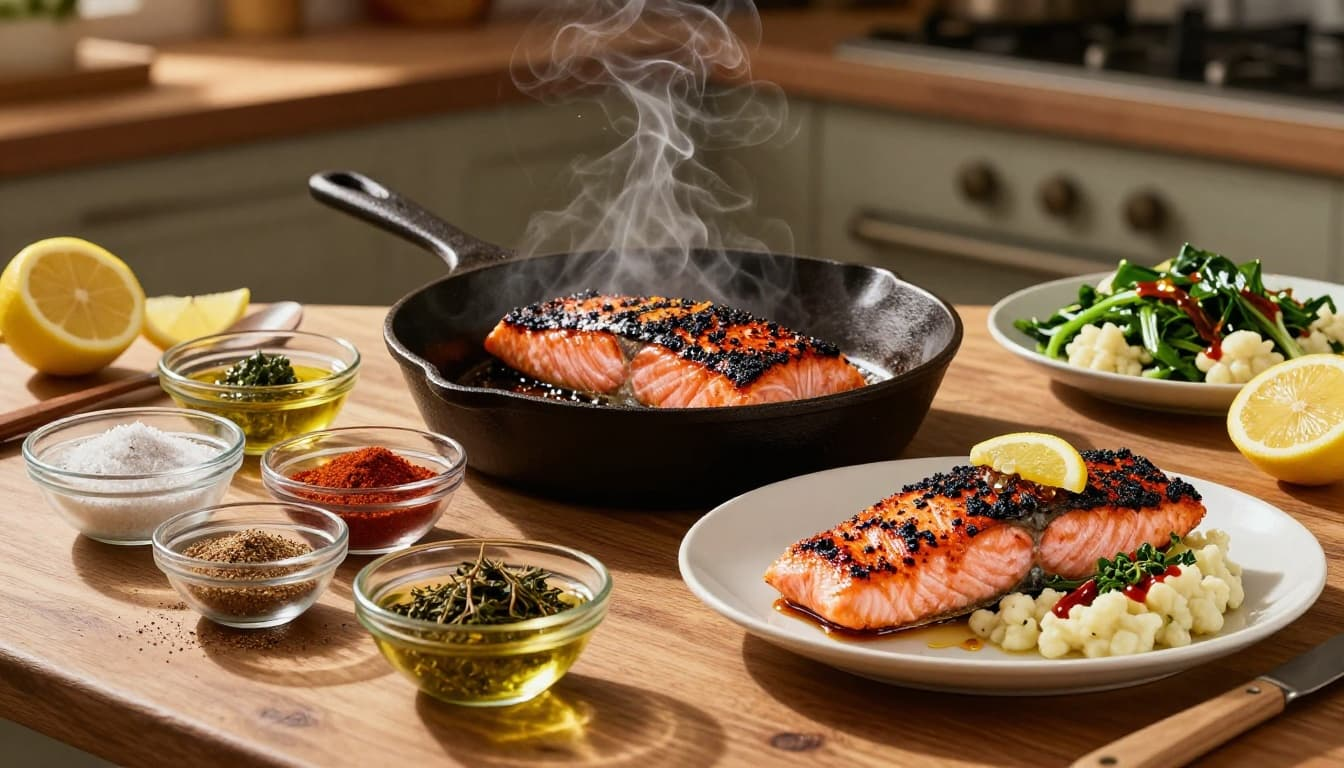
- Dinner: Baked salmon + roasted zucchini
- Day 2
- Breakfast: Scrambled eggs + sautéed spinach
- Lunch: Chicken soup (broth-based) + side of cooked carrots
- Dinner: Taco bowl (ground beef or turkey, lettuce, salsa, a little cheese)
- Day 3
- Breakfast: Cottage cheese + berries
- Lunch: Tuna salad over greens (go light on mayo)
- Dinner: Sheet-pan chicken breast + broccoli
- Day 4
- Breakfast: Protein shake (low sugar) or overnight oats + a few almonds (if tolerated)
- Lunch: Egg salad + sliced tomatoes
- Dinner: Shrimp stir-fry with cauliflower rice (mild seasoning)
- Day 5
- Breakfast: Omelet with mushrooms + a little feta
- Lunch: Leftover chicken + green beans
- Dinner: Turkey meatballs + zucchini noodles + light marinara (no added sugar)
- Day 6
- Breakfast: Two hard-boiled eggs + a few berries
- Lunch: Cheeseburger bowl (bunless burger, lettuce, pickles, mustard)
- Dinner: Cod (or tilapia) + asparagus + lemon
- Day 7
- Breakfast: Greek yogurt + ground flax + cinnamon
- Lunch: Rotisserie chicken + simple soup broth mug
- Dinner: Slow-cooker shredded chicken + sautéed peppers
| Day | Breakfast | Lunch | Dinner |
|---|---|---|---|
| 1 | Greek yogurt (plain) + berries + chia | Turkey lettuce wraps + cucumber slices | Baked salmon + roasted zucchini |
| 2 | Scrambled eggs + sautéed spinach | Chicken soup (broth-based) + side of cooked carrots | Taco bowl (ground beef or turkey, lettuce, salsa, a little cheese) |
| 3 | Cottage cheese + berries | Tuna salad over greens (go light on mayo) | Sheet-pan chicken breast + broccoli |
| 4 | Protein shake (low sugar) or overnight oats + a few almonds (if tolerated) | Egg salad + sliced tomatoes | Shrimp stir-fry with cauliflower rice (mild seasoning) |
| 5 | Omelet with mushrooms + a little feta | Leftover chicken + green beans | Turkey meatballs + zucchini noodles + light marinara (no added sugar) |
| 6 | Two hard-boiled eggs + a few berries | Cheeseburger bowl (bunless burger, lettuce, pickles, mustard) | Cod (or tilapia) + asparagus + lemon |
| 7 | Greek yogurt + ground flax + cinnamon | Rotisserie chicken + simple soup broth mug | Slow-cooker shredded chicken + sautéed peppers |
A short grocery list to cover the basics:
- Protein: eggs, chicken breast or rotisserie chicken, ground turkey, salmon, white fish, shrimp, canned tuna, plain Greek yogurt, cottage cheese, protein shake
- Veggies: spinach, lettuce, cucumbers, zucchini, broccoli, green beans, asparagus, mushrooms, peppers, tomatoes, carrots, cauliflower rice
- Fats: olive oil, avocado (optional), mayo (or avocado oil mayo), small amount of cheese, almonds (optional)
- Extras: broth, marinara with no added sugar, salsa, chia seeds, ground flax, cinnamon, garlic, salt, pepper, lemon, berries
Portioning note: Start with half servings (especially early on). Eat slowly, then wait 10 to 15 minutes before seconds. Using a meal prep strategy can help with consistency. Think of it like topping off a gas tank, you can always add more, but you can’t undo overfilling.
| Category | Short grocery list (basics) | Notes |
|---|---|---|
| Protein | Eggs; chicken breast or rotisserie chicken; ground turkey; salmon; white fish; shrimp; canned tuna; plain Greek yogurt; cottage cheese; protein shake | Keep it simple, pick 2 to 4 for the week. |
| Veggies | Spinach; lettuce; cucumbers; zucchini; broccoli; green beans; asparagus; mushrooms; peppers; tomatoes; carrots; cauliflower rice | Mix raw and cooked for easy meals. |
| Fats | Olive oil; avocado (optional); mayo (or avocado oil mayo); small amount of cheese; almonds (optional) | Use small amounts, they add up fast. |
| Extras | Broth; marinara with no added sugar; salsa; chia seeds; ground flax; cinnamon; garlic; salt; pepper; lemon; berries; whole grains in small amounts (for moderate-carb days) | Great for flavor without a lot of extra calories. |
| Portioning note | Start with half servings (especially early on); eat slowly; wait 10 to 15 minutes before seconds; meal prep | Think of it like topping off a gas tank, you can always add more, but you can’t undo overfilling. |
How to adjust the plan if you feel nauseated, constipated, or not hungry at all
If nausea shows up, go bland and simple for a day or two. Your goal is to keep protein and fluids coming in without pushing volume.
Quick switches that usually sit better:
- Choose soups and broth-based meals (chicken soup, broth with shredded chicken).
- Use soft proteins: eggs, Greek yogurt, cottage cheese, a simple protein shake.
- Pick cooked veggies over big raw salads (carrots, zucchini, green beans).
- Reduce fat for now (less cheese, mayo, oils, nuts).
- Avoid common triggers: spicy foods, fried foods, heavy cream sauces, and greasy takeout.
If constipation is the issue, think gentle, steady support:
- Add chia or ground flax to yogurt (start small).
- Eat more cooked vegetables and sip water through the day.
- Take short, easy walks after meals to get things moving.
Only consider magnesium or fiber products if your clinician says it’s ok, especially if you have other meds or a history of GI issues.
| If you feel… | Adjust the plan (1 to 2 days) | What to avoid for now | Call Dr if… |
|---|---|---|---|
| Nauseated | Keep fluids and protein going, keep portions small. Choose broth-based soups (chicken soup, broth with shredded chicken). Use soft proteins like eggs, Greek yogurt, cottage cheese, or a simple protein shake. Pick cooked veggies (carrots, zucchini, green beans). Reduce fat (less cheese, mayo, oils, nuts). | Spicy foods, fried foods, heavy cream sauces, greasy takeout. | You can’t keep fluids down, you’re vomiting, nausea lasts more than 24 to 48 hours, you feel dizzy or weak, you have severe belly pain, fever, or signs of dehydration (very dark urine, barely peeing, dry mouth). |
| Constipated | Add gentle fiber (chia or ground flax in yogurt, start small). Eat more cooked vegetables. Sip water through the day. Take short, easy walks after meals. Only use magnesium or fiber products if your clinician says it’s ok, especially with other meds or a GI history. | Big fiber jumps, skipping fluids, long periods of sitting. | No bowel movement for 3 days, severe belly pain or swelling, vomiting, blood in stool, new or worsening symptoms, constipation doesn’t improve after a few days of changes. |
| Not hungry at all | Don’t force big meals. Use small, regular mini-meals with protein and fluids. Stick with easy options (Greek yogurt, cottage cheese, eggs, protein shake, soup). Keep veggies cooked and portions small. | Large meals, heavy or greasy foods. | No appetite for more than 24 to 48 hours, you can’t meet fluid needs, fast weight loss, weakness, dizziness, fainting, or symptoms that feel off for you. |
Tips for success, common mistakes to avoid, and FAQs
GLP-1 meds can make “normal” portions feel huge, and some foods hit harder than they used to. The good news is most problems have simple fixes. Use the ideas below to stay consistent, protect muscle, and keep side effects calmer while you follow a protein-first approach (including low-carb and sugar-free options from KetoSugarFree.com when they fit your appetite).
Common mistakes on GLP-1 diets (and simple fixes that actually help)
Most stalls and side effects come from a few predictable habits. Focus on food quality rather than strict calorie counting. Here are common slip-ups, plus one easy fix for each.
- Skipping protein until dinner: Start your day with 20 to 30 grams of protein (eggs, Greek yogurt, cottage cheese, or a shake) so you don’t fall behind.
- “All cheese, no protein”: Use cheese as a flavor boost, not the main event, to balance macronutrients; then anchor the meal with chicken, fish, eggs, tofu, or yogurt.
- Too many liquid calories: Choose water, unsweet tea, or black coffee most of the time, and treat fancy coffee drinks, juice, and sweetened “wellness” drinks like dessert.
- Eating huge salads that bloat you: Switch to cooked veggies or smaller salads with chopped greens, peeled cucumber, and a simple protein on top.
- Too much fiber too fast: Add fiber slowly (chia, flax, beans, veggies), and increase fluids with it so you don’t get backed up.
- No strength training: Do 2 to 3 short resistance sessions a week (even bodyweight counts) to help keep muscle while weight drops.
- Going too high-fat “because keto”: Keep added fats modest (oil, nuts, avocado) since heavy fat can worsen nausea and reflux.
- Trying to “make up” for low appetite with one big meal: Eat smaller, protein-first mini-meals every 3 to 5 hours, even if they are simple.
| Topic | What to do (tips for success) | Common mistake | Simple fix that helps | Quick FAQ |
|---|---|---|---|---|
| Protein-first basics | Aim for protein at every meal, practice portion control, stop when comfortably full | Skipping protein until dinner | Start with 20 to 30 g protein at breakfast (eggs, Greek yogurt, cottage cheese, shake) | How much protein? Your prescriber or a registered dietitian can set a target, many people do best with protein at each meal. |
| Smarter “keto” choices | Use low-carb, sugar-free options when they sound good and fit your appetite | Going too high-fat “because keto” | Keep added fats modest (oil, nuts, avocado), heavy fat can worsen nausea and reflux | Do I need keto? No, but lower-carb and sugar-free foods can be easier to tolerate for some people. |
| Cheese and extras | Treat cheese as flavor, not the main protein | “All cheese, no protein” | Build the meal around chicken, fish, eggs, tofu, yogurt, then add cheese | Is cheese allowed? Yes, just don’t let it crowd out protein. |
| Drinks | Stick to water, unsweet tea, or black coffee most of the time | Too many liquid calories | Keep sweet drinks, juice, and fancy coffee drinks as an occasional treat | Can I drink protein shakes? Often yes, they can help when solid food feels like too much. |
| Veggies and bloat | Pick veggies you tolerate, cooked can feel easier | Eating huge salads that bloat you | Try cooked veggies, or small salads with chopped greens, peeled cucumber, plus protein | Why do salads feel “heavy”? Raw fiber plus volume can hit harder on GLP-1s. |
| Fiber and digestion | Add fiber in small steps, pair it with fluids | Too much fiber too fast | Add chia, flax, beans, or veggies slowly, increase water along with it | Constipation help? More fluids, slower fiber increases, and consistent meals usually help. |
| Meal timing | Eat small, protein-first mini-meals every 3 to 5 hours | Trying to “make up” with one big meal | Plan simple mini-meals (yogurt, eggs, tuna, shake) to stay steady | Do I have to eat if I’m not hungry? Small protein bites can prevent crashes and help meet needs. |
| Muscle protection | Do 2 to 3 short resistance sessions weekly, even bodyweight | No strength training | Schedule brief sessions (squats, rows, push-ups, bands) and keep it consistent | Why lift on GLP-1s? It helps keep muscle while weight drops. |
| Side effects | Keep meals smaller, lower-fat, and protein-forward | Big, rich meals when appetite is low | Choose lighter protein meals, keep fats modest, eat slowly | What if nausea flares? Smaller portions, lower-fat foods, and slower eating often calm it down. |
| Using KetoSugarFree.com options | Keep a few low-carb, sugar-free staples for low-appetite days | Forcing foods you don’t want | Use items only when they sound good, keep it simple and protein-first | Are sugar-free foods always better? Not always, they’re tools for days when regular options don’t sit well. |
Frequently asked questions about what to eat on GLP-1
Do I need keto?
No. Some people feel best with low carb, others don’t. The most reliable rule is protein first, then veggies, then carbs if you want them.
Can I eat carbs?
Yes. Many people tolerate small portions better (think fruit, oats, beans, or half-cup starch servings). If you have diabetes, ask your clinician what targets make sense.
What about protein shakes?
They can help a lot, especially early on or on low-appetite days. Pick one with higher protein and low added sugar and sip it slowly.
What if I cannot finish meals?
Stop when you feel comfortably full. Prioritize protein first, then pack the rest for later rather than forcing a bigger portion.
Is alcohol okay?
It may hit harder with less food and can worsen reflux and dehydration. If you drink, keep it occasional, have it with food, and check with your prescriber.
What about coffee?
Plain coffee is often fine, but watch acidic reflux triggers and skip sugary add-ins. GLP-1s slow digestion so acid might sit longer in the stomach; if nausea is an issue, try cold brew, smaller cups, or food first.
How do I avoid hair loss?
Aim for enough protein, avoid crash dieting, and keep key nutrients steady (iron, zinc, vitamin D) through food, then ask your clinician if labs are needed.
What should I eat on injection day?
Keep it simple and lower-fat: a protein-forward breakfast, easy carbs if needed (toast, fruit), and plenty of fluids; follow your clinician’s guidance if side effects are strong.
| FAQ | Straight answer | What to do in real life |
|---|---|---|
| Do I need keto? | No. | Eat protein first, then veggies, then carbs if you want them. |
| Can I eat carbs? | Yes. | Start with smaller portions, pick fruit, oats, or beans, or stick to a half-cup starch serving. If you have diabetes, confirm your targets with your clinician. |
| What about protein shakes? | They can help, especially early on. | Choose a higher-protein shake with low added sugar, then sip slowly. |
| What if I cannot finish meals? | Stop when you feel comfortably full. | Prioritize protein, pack the rest for later, don’t force more. |
| Is alcohol okay? | It can hit harder and worsen reflux or dehydration. | Keep it occasional, have it with food, confirm safety with your prescriber. |
| What about coffee? | Plain coffee is often fine. | Skip sugary add-ins, watch reflux triggers. If nausea hits, try cold brew, smaller cups, or eat first. |
| How do I avoid hair loss? | Protein and steady nutrition help. | Get enough protein, avoid crash dieting, keep iron, zinc, and vitamin D steady through food, ask about labs if needed. |
| What should I eat on injection day? | Simple, lower-fat meals tend to sit better. | Go protein-forward, add easy carbs if needed (toast, fruit), drink plenty of fluids, follow your clinician’s guidance if side effects are strong. |
Key Takeaways
Eating well on a GLP-1 comes down to a few repeatable moves that prioritize nutrient density. Put protein first at meals and snacks, add veggies next, then keep fats in moderation so nausea and reflux stay calmer. Limit sugar, fried foods, and heavy, greasy meals that tend to sit in your stomach. Eat slower than you think you need to, stop at “comfortable,” and let leftovers do the work.
Hydration matters as much as food. Sip water, tea, or broth across the day, especially when your appetite feels low. A little planning goes a long way here, keep a short list of go-to meals you can eat even on off days.
Save the 7-day plan from this post and treat it like a template, not a rulebook. If you want simple low carb, sugar free meal ideas that fit a protein-first approach, pull a few GLP-1-friendly recipes from KetoSugarFree.com and rotate them.
Talk through your protein target, side effects, and any diabetes meds with your prescriber or a dietitian, then keep your plan steady long enough to learn what works for you.
| Focus area | Do this | Limit or avoid | Quick tip |
|---|---|---|---|
| Meal order | Start with protein, add veggies, keep fats moderate | Heavy, greasy meals | Build plates in this order: protein, veg, then carbs if you want |
| Protein first | Put protein at every meal and snack | Skipping protein when appetite is low | Keep easy options ready (Greek yogurt, eggs, tuna, chicken, protein shake) |
| Veggies next | Add cooked or tender veggies for volume and fiber | Large raw salads if they trigger bloating | Roasted, sautéed, or soups often sit better |
| Whole grains | Include small portions for balanced nutrient range | Refined grains, large servings | Opt for cooked quinoa or oats if tolerated |
| Fat portions | Use small amounts of fats | Fried foods, high-fat meals | Measure oils, pick leaner cuts, go light on cheese and cream |
| Sugar control | Keep sugar low | Sugary drinks, desserts, refined sweets | Choose sugar-free or low-sugar swaps when cravings hit |
| Portion and pace | Eat slower, stop at comfortable | Eating fast, eating past fullness | Serve smaller portions, save leftovers by default |
| Nausea and reflux | Stick to lighter meals when symptoms flare | Spicy, greasy, very large meals that cause slow digestion | Try bland, protein-forward foods (broth, eggs, yogurt, chicken) |
| Hydration | Sip water, tea, or broth all day | Chugging large amounts at once | Keep a bottle nearby, take small sips often |
| Low appetite days | Use a short list of go-to meals you can always tolerate | Skipping food all day | Rotate a few basics that work even on off days |
| Planning | Treat a 7-day plan as a template | Rigid rules that don’t fit your week | Repeat meals you tolerate well, keep ingredients simple |
| Recipe rotation | Use low-carb, sugar-free, protein-first ideas | Complicated recipes that feel like work | Pick a few GLP-1-friendly meals and rotate them |
| Weight loss | Support steady weight loss with protein-first habits | Crash diets or extremes | Stay consistent for sustainable results |
| Muscle mass | Prioritize protein to preserve muscle mass | Low protein overall | Aim for 20-30g per meal or snack |
| Calorie counting | Skip it, calorie counting is not the focus | Tracking every bite | Rely on protein satiety and fullness cues instead |
| Medical check-in | Review protein goals, gastrointestinal side effects, and diabetes meds | Changing meds or targets on your own | Talk with your prescriber or dietitian, then keep your plan steady long enough to learn what works |

Recipes Made Simple: High-Protein After Gastric Sleeve (Part IV)
Recipes Made Simple: High-Protein After Gastric Sleeve (Part III)
Recipes Made Simple: High-Protein After Gastric Sleeve (2026) (Part II)
Recipes Made Simple: High-Protein After Gastric Sleeve (2026)
Diet Made Simple: High-Protein After Gastric Sleeve (2026)